How Do Bitter Olives From a Tree Become Edible?
Pick an olive straight from the tree and taste it: you’ll spit it out. Raw olives are savagely bitter. Making them edible — curing — is the craft that turns an inedible fruit into one of the oldest foods we have.
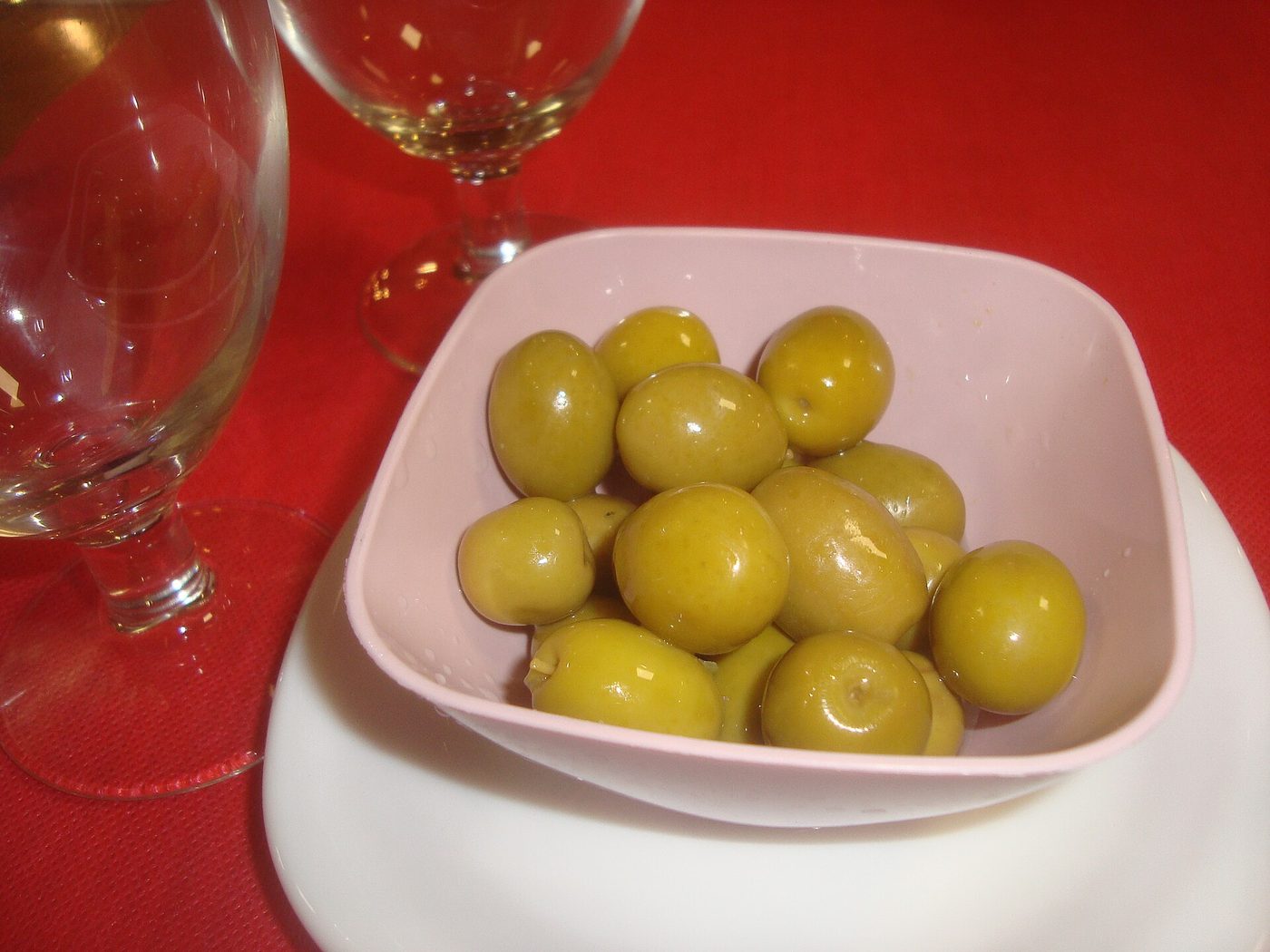
It is one of the quiet mysteries of the kitchen: an olive on the branch is so bitter it is genuinely inedible, yet the olive is among the oldest foods in the Mediterranean. The bridge between those two facts is curing — and it is exactly why the olive is a craft, not just a crop.
Why raw olives are inedible
The culprit has a name: oleuropein, a compound the fruit makes to defend itself, intensely and mouth-puckeringly bitter. Every method of making an olive edible is, at heart, just a way of removing or breaking down that oleuropein. Do it well and the olive keeps its character; rush it and you strip out the flavour along with the bitterness.
The four ways to cure an olive
There are four broad methods, and you can taste the difference between them. Water curing is the gentlest: soak the olives and change the water daily for weeks to leach the bitterness away. Brine curing ferments them in salt water over months — the slow, classic route to most good table olives, and the one that builds real complexity. Dry-salt curing packs ripe olives in salt, drawing out the bitter juices and leaving them wrinkled and intense — the Moroccan and Greek Throuba styles. And lye curing uses an alkali to strip the bitterness in days — fast, effective and industrial.
The shortcut you can taste
Curing well takes time — months of patience for a properly brined olive. That is exactly why the big commercial trick is lye: it makes a harsh green olive edible in a day or two, then a quick brine, and out the door. It works — but a fast lye-cured olive is a blanker, simpler thing than one slowly fermented over a winter. Taste a real brine-cured olive next to a cheap lye-cured one and the difference is obvious: depth and tang against a clean but hollow saltiness. Better still, cure your own — it is mostly just waiting.
| Method | How it works | Time | Result |
|---|---|---|---|
| Water curing | Repeated soaking, water changed daily | Weeks | Mild, gentle, delicate |
| Brine curing | Fermented in salt water | Months | Complex, tangy — the classic table olive |
| Dry-salt curing | Packed in salt, juices drawn out | Weeks–months | Wrinkled, intense, concentrated |
| Lye curing | Alkali breaks down bitterness fast | Days | Quick, mild, simpler — the industrial route |
What to take from it
- Raw olives are inedible because of oleuropein; curing removes or breaks it down.
- Brine and dry-salt curing build the most flavour — and take the most time.
- Lye is the fast industrial shortcut — edible in days, but blanker in taste.
- A slowly cured olive tastes deeper than a fast one — and you can cure your own.
Curing olives: common questions
Why are raw olives so bitter?
Because of oleuropein, a bitter compound the fruit makes to protect itself. It is so intense that a raw olive is genuinely inedible until the oleuropein is removed or broken down by curing.
What are the main ways to cure olives?
Four: water curing (repeated soaking), brine curing (fermenting in salt water), dry-salt curing (packing in salt), and lye curing (using an alkali). Each gives a different texture and flavour.
Which curing method tastes best?
Slow brine and dry-salt curing usually build the most complex flavour. Lye curing is fast and effective but tends to give a blanker, simpler olive.
What is lye curing?
An industrial shortcut that uses a food-grade alkali (lye) to break down bitterness in a day or two, followed by a brine. It is quick and safe when done correctly, but less flavourful than slow methods.
Can I cure olives at home?
Yes — water and brine curing are well within home reach and need mostly patience rather than skill. It is a rewarding way to taste how much curing shapes the final olive.
Curing is where the olive stops being agriculture and becomes craft, and it’s worth caring about because you can taste the choice in every olive you eat. The honest tension is time versus speed. A properly brine- or salt-cured olive takes months, and it earns them : it comes out deep, tangy and complex. The industrial answer is lye — an alkali that strips the bitterness in a day or two, turning out a perfectly edible but noticeably blanker olive at scale. Neither is wrong, but they are not the same thing, and once you’ve tasted a slow-fermented olive beside a fast lye-cured one you won’t confuse them again. Best of all, water and brine curing are easy to do at home — mostly a matter of patience — and nothing teaches you what an olive really is faster than curing a jar yourself.
Drawn from standard olive-curing practice and the chemistry of oleuropein and bitterness removal.