The Balkans’ Quiet Olive Rise
For most drinkers, olive oil means three countries: Spain, Italy, Greece. But along the eastern Adriatic, Croatia, Montenegro and Albania have quietly built a reputation for oils that punch far above their modest output — and Istria now regularly tops the world’s quality rankings.
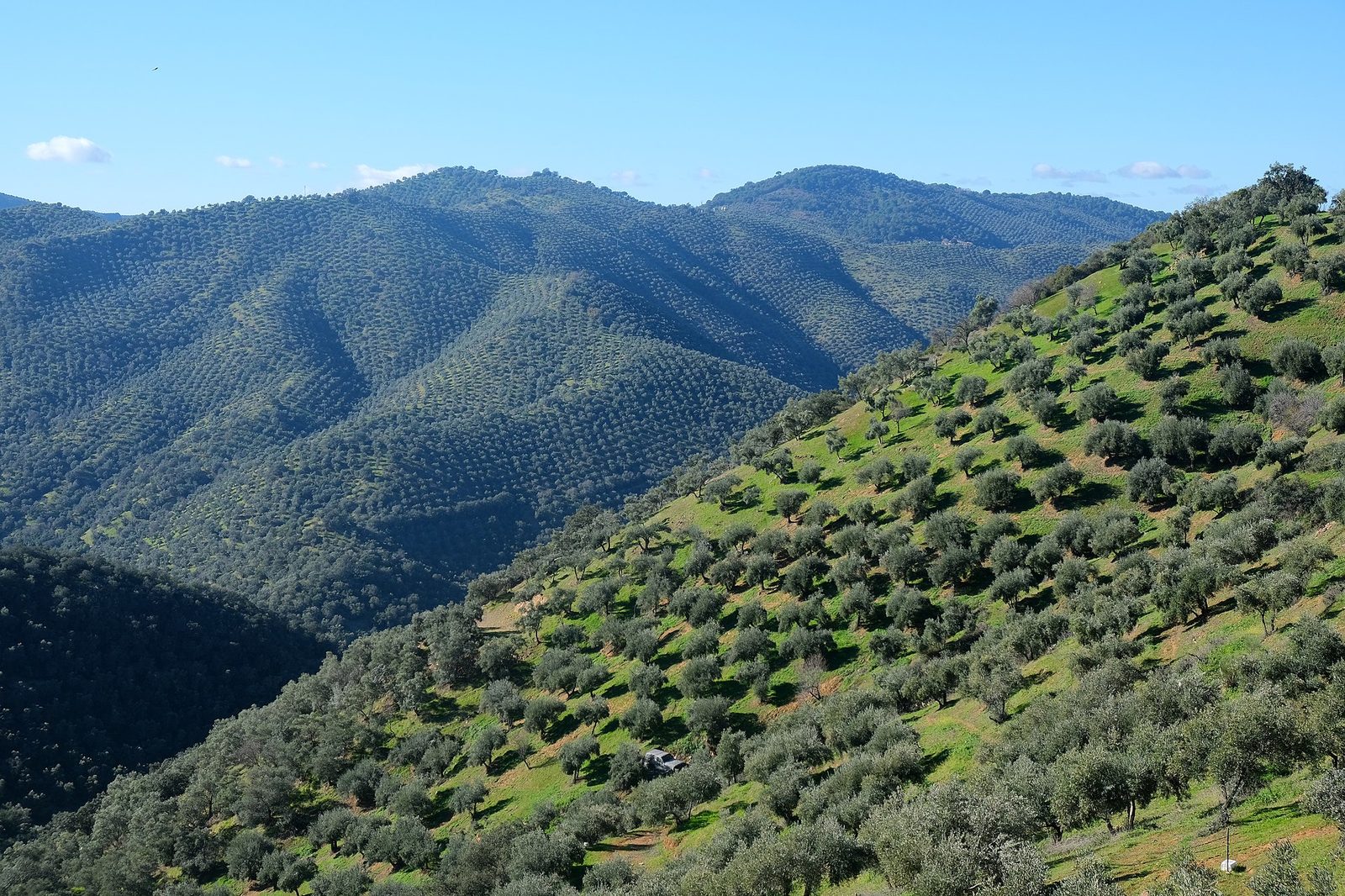
Every so often the trade press notices something that was easy to miss: the map of good olive oil is bigger than the postcard countries. Along the eastern Adriatic — the Croatian, Montenegrin and Albanian coasts — growers have been investing in groves and mills and steadily winning international awards well out of proportion to their tiny volumes. It is the whole ‘olive oil is no longer three countries’ story in miniature.
Croatia: tiny output, giant reputation
Croatia is the headline act. Its total production is small on the world stage, yet its best oils win at the highest level year after year — Istria in particular is routinely named among the world’s leading olive-oil regions, and individual Croatian oils have earned perfect scores in the international guides. This is the opposite of the bulk-commodity model: not oceans of cheap oil, but small lots of meticulous, estate-bottled extra virgin from indigenous varieties like Buza and Oblica. Quality, not quantity, is the entire strategy.
Montenegro and Albania: the wider belt
The story runs south down the coast. Montenegro, with its famously ancient trees around Bar, has poured investment into modern milling and a renewed focus on quality. Albania has expanded fast — production has climbed sharply over the past decade — though there the worry is the familiar one of a booming sector: whether quality can keep pace with volume. Together the three make a young, ambitious olive belt that barely existed on the world’s radar a generation ago.
Why it is worth your attention
Here is the practical point for anyone who only ever reaches for Italian or Spanish. A good Croatian oil is one of the most rewarding detours on the shelf: fresh, characterful, made in tiny quantities by people who date and sign their work. You pay a premium, but you get traceability and personality that the big blends cannot match. The catch is scarcity — these oils are made in small volumes and sell out — so when you find a dated bottle from a named Istrian or Dalmatian estate, buy it.
| Region | Eastern Adriatic coast |
|---|---|
| Countries | Croatia, Montenegro, Albania |
| Croatia’s strength | Small volume, top-tier quality (Istria, Dalmatia) |
| Native varieties | Buza, Oblica and others |
| Montenegro | Ancient trees, modern quality push |
| Albania | Fast-growing output, quality catching up |
| Best use | Small-lot, dated estate oils for finishing |
The takeaways
- The good-oil map is bigger than three countries — look to the Adriatic.
- Croatia punches far above its size, Istria routinely a top world region.
- The belt runs south through Montenegro and Albania, young and ambitious.
- These are small-lot, dated estate oils — buy them when you find them.
The Adriatic olive rise: common questions
Is Croatian olive oil actually good?
Yes — despite tiny total output, Croatia’s best oils win at the highest international level, with Istria routinely ranked among the world’s leading regions.
Which Adriatic countries are rising?
Croatia, Montenegro and Albania, down the eastern Adriatic coast, each expanding groves, milling and quality over the past decade.
Why so celebrated if the volume is small?
Their model is quality over quantity: small lots of meticulous, estate-bottled extra virgin from indigenous varieties rather than bulk commodity oil.
What varieties do they grow?
Native cultivars such as Croatia’s Buza and Oblica, alongside some international varieties, give these oils their distinct character.
How should I buy them?
Look for a dated bottle from a named Istrian or Dalmatian estate — and buy when you see it, because these small-lot oils sell out.
If you only ever buy Italian or Spanish, you are missing one of the shelf’s best-kept secrets. Croatia in particular makes tiny quantities of world-class oil — Istria beats far bigger regions in the international guides most years. The trade knows these estates by name; the public mostly does not, which is exactly why the oils are still (relatively) findable. The catch is volume: they make very little, and it sells out. See a dated bottle from a named Istrian or Dalmatian grower, and do not dither.
Drawn from March 2016 trade reporting on growing Balkan production and later coverage of Croatian and Montenegrin quality gains.