California Growers Open the Black-Olive Trade Fight
The ripe black olive that sits, unloved, on a pizza became an unlikely test case in international trade law. When Californian growers asked Washington to act against Spanish imports, they were really announcing that the American olive had grown big enough to hire lawyers.
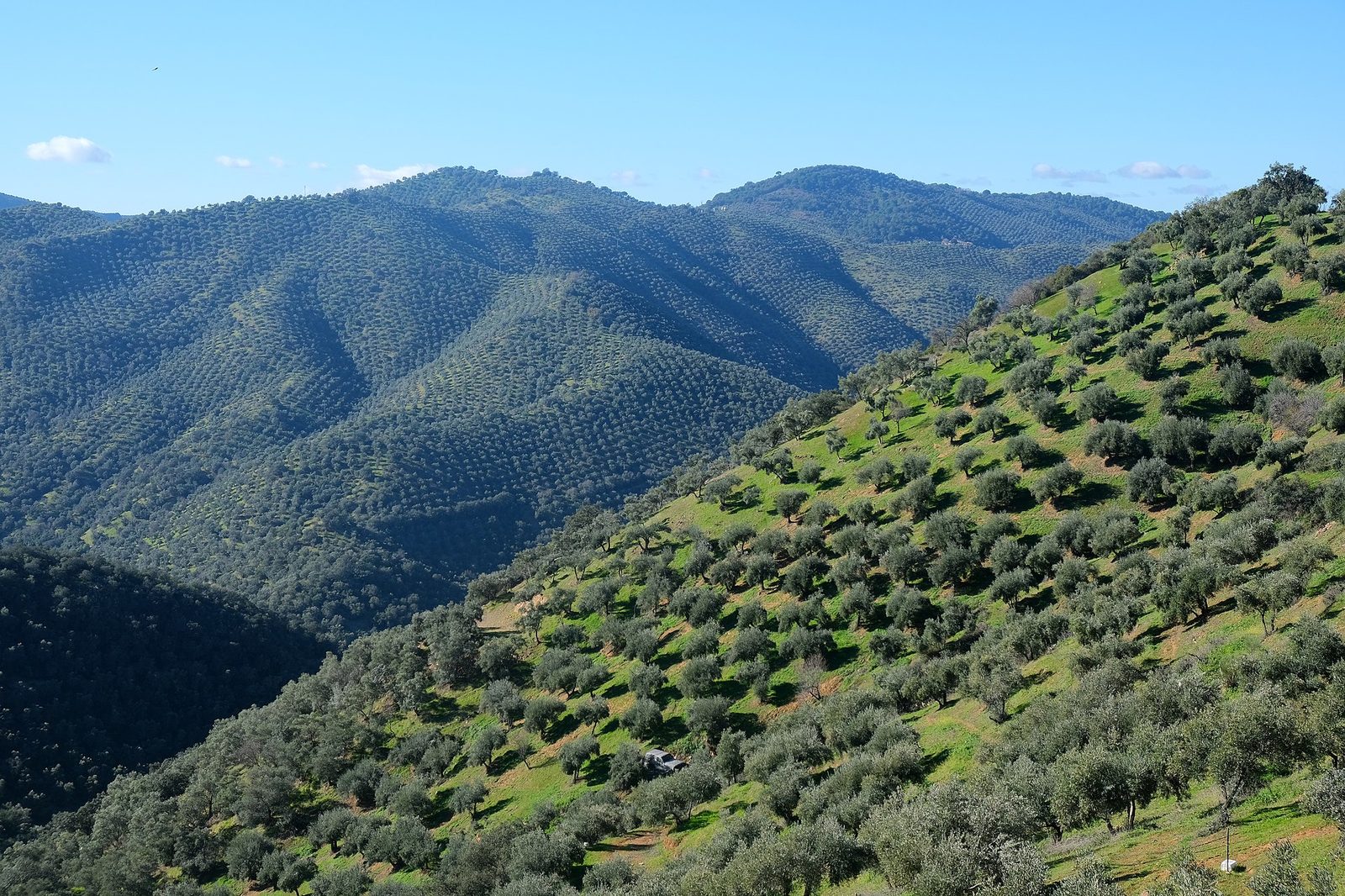
Trade disputes usually turn on steel, cars or semiconductors — not the soft black olives you fish off a slice of pizza. Yet that ordinary tin became the object of one of the more curious trade fights of the last decade, when California’s two big ripe-olive canners went to Washington and asked the government to investigate their Spanish rivals. The complaint was narrow and deliberate: it targeted black ripe olives only, not olive oil and not green olives. And behind it lay a simple, revealing fact — the American olive business had become large enough, and confident enough, to fight for its own turf.
What the growers actually alleged
The Californian case rested on two classic trade claims. The first was subsidy: that Spanish black-olive exporters benefited from European Union farm support, which the petitioners argued gave them an unfair edge. The second was dumping: selling into the United States below a fair price. Spain at the time supplied close to half the American black-olive market, so this was not a fringe grievance — it was the dominant foreign supplier being challenged by the domestic industry it had displaced. Whether or not one accepts the argument, the structure of it was textbook trade law.
Why a table olive ended up in court
Here is the part worth sitting with. For most of its history the olive has been a farm product and a grocery item, priced by weather and appetite. Turning it into the subject of a formal trade action means treating it like any other industrial good — with tariffs, investigations, and eventually challenges at the World Trade Organization. The case dragged on for years precisely because that is how these disputes work: measured, adversarial, slow. The olive, in other words, had entered the world of trade policy, and there is no quick exit from it. See how big the American olive industry had grown.
What it tells you about the wider trade
Step back and the significance is less about who was right and more about what the fight represents. A domestic industry only petitions for protection when it is substantial enough to matter and threatened enough to worry — both were true here. It is a marker of maturity, the same way a young company’s first lawsuit is. The olive that Spain and the wider Mediterranean have shipped west for centuries is now grown, canned and defended on American soil, and the tapas staple has, in a real legal sense, grown up.
| Claim | What it means | What it targets |
|---|---|---|
| Countervailing (subsidy) | Foreign producer helped by state support | EU farm subsidies to Spanish exporters |
| Anti-dumping | Sold abroad below a fair price | Spanish black olives on the US market |
| Scope | Deliberately narrow | Black ripe olives only — not oil or green |
| Outcome path | Tariffs, then WTO challenge | Years of legal back-and-forth |
How to read a food trade dispute
- Check the scope first — a narrow target (one product) tells you the real commercial motive.
- Separate subsidy claims from dumping claims; they are different arguments with different remedies.
- Note the market share at stake — half a market is a fight worth years of lawyers.
- Expect no fast ending: tariffs invite WTO challenges, and the cycle repeats.
The black-olive trade fight: common questions
What products were actually in dispute?
Only Spanish black ripe olives — the canned table kind. Olive oil and green olives were deliberately left out of the petition.
What were the two main allegations?
That Spanish exporters were unfairly subsidised by the EU, and that they were dumping olives into the US below a fair price.
Why did it matter so much?
Spain supplied roughly half the American black-olive market, so the case pitted the dominant foreign supplier against a domestic industry big enough to push back.
What happened next?
It led to US tariffs, a challenge at the World Trade Organization, and years of legal argument — the slow machinery of a real trade dispute.
What does the case say about American olives?
That the industry had matured — large and confident enough to seek formal protection, the way any established sector defends its market.
What strikes me about this one is not who deserved to win — it is that a black table olive got its day in the machinery of trade law at all. For most of my life the olive was priced by the weather and the appetite of shoppers, full stop. Once an industry is big enough to petition Washington, tariff its rivals and argue at the WTO, it has stopped being a quaint farm product and become a business with elbows. The olive grew up. It has lawyers now — and that tells you more about how far the American grove has come than any tonnage figure.
Drawn from reporting on the US ripe-olive trade case and public trade-agency records.