How Much Salt Is in Olives? The Numbers, by Type and Cure
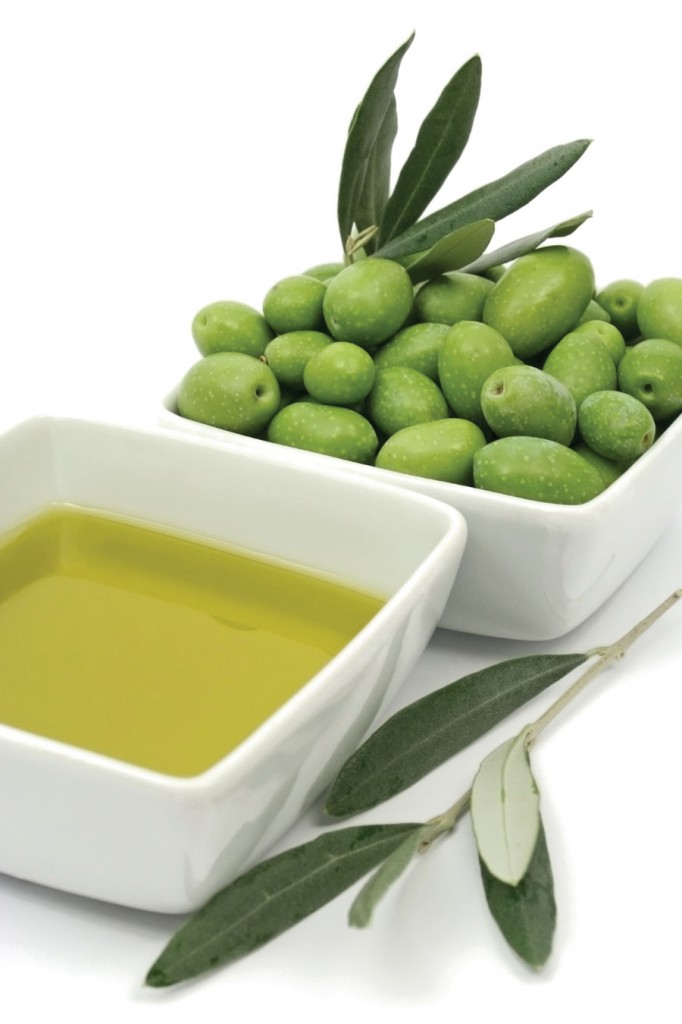
Table olives are a salty food: a typical serving of five to ten olives carries somewhere around 200 to 350 mg of sodium, or very roughly 10 to 15 per cent of the daily amount most health bodies suggest as an upper limit (about 2,000 to 2,300 mg). The exact figure swings a good deal depending on how the olives were cured, whether they sat in brine or dry salt, and how big they are. That salt isn’t an accident or a fault, either — it’s the whole reason a bitter, inedible fruit off the tree becomes the olive you actually want to eat.
Below is a plain look at where the sodium comes from, roughly how much you’ll find by type, and a few honest ways to bring it down if you’re watching your intake. None of this is medical advice; if a doctor has asked you to limit sodium, treat these numbers as a guide and check labels for the brand in front of you.
Why olives are salty in the first place
Fresh olives straight off the tree are so bitter they’re practically inedible — that’s the compound oleuropein doing its job. Curing is what fixes this, and salt is the workhorse in almost every method. Brine-curing sits the olives in salt water for weeks or months; the salt draws out bitterness, keeps spoilage bacteria at bay, and slowly seasons the flesh. Dry-curing (also called salt-curing) packs the olives in coarse salt directly, which is why those wrinkled black olives can taste especially intense. Even the mild, quick Spanish-style lye cure finishes in a salt brine.
So the sodium you taste is soaked right into the fruit — it isn’t just clinging to the surface. That matters when it comes to reducing it, because you can rinse off some of what’s on the outside, but you can’t rinse the flesh back to zero. If you’d like the fuller picture of how these methods differ, our guide to curing olives walks through each one.
Sodium by type: a rough per-serving guide
Here’s the caveat first: sodium content varies enormously between producers, even for the same variety, because brine strength and packing differ. The figures below are widely-cited ballpark ranges for a small serving (around 5 olives, or roughly 15–30 g depending on size). Always trust the label over any general table.
| Olive type (as sold) | Typical sodium per ~5 olives | Notes |
|---|---|---|
| Green olives in brine (e.g. Spanish-style) | ~ 220–330 mg | Among the saltier options; stuffed varieties often higher. |
| Black ripe olives, canned (Californian-style) | ~ 110–170 mg | Often the mildest, as they’re less brine-forward. |
| Kalamata-style in brine | ~ 200–350 mg | Robust brine; figures track green olives fairly closely. |
| Dry salt-cured black (wrinkled) | ~ 200–400 mg | Can be the highest; salt is packed directly onto the fruit. |
| Olives stuffed with cheese, anchovy, etc. | ~ 250–400 mg+ | Filling adds its own salt on top of the brine. |
A quick way to sanity-check any pack: many brined table olives land somewhere around 700 to 1,500 mg of sodium per 100 g. Since five average olives weigh only a fraction of that, the per-serving number stays modest — it’s eating a big bowlful in one go that adds up quickly.
How to reduce the sodium (without ruining them)
You can’t make a cured olive salt-free, but you can take the edge off. A few honest, practical steps:
- Rinse and drain. Tip the olives into a sieve and rinse under cold running water for 30 seconds or so. This washes away surface brine and can shave off a meaningful slice of the sodium — not dramatic, but real.
- Soak them. For a bigger reduction, cover rinsed olives with fresh cold water and leave them an hour or two (or overnight in the fridge), changing the water once. The longer they soak, the more salt leaches out — though flavour softens too, so it’s a trade-off.
- Buy unpitted, whole olives. Sliced or chopped olives have more cut surface exposed to brine, so they tend to sit a little saltier and rinse less effectively.
- Mind the portion. The simplest lever of all. A small handful as part of a meal keeps the sodium sensible; grazing through the whole jar is where it climbs.
- Read the label. “Reduced-salt” olives do exist, and per-100g figures on the pack are the only truly reliable numbers.
It’s worth keeping perspective, though. Olives also bring monounsaturated fats, a little fibre, and antioxidants along with the salt, which is why they sit comfortably within a Mediterranean way of eating. For most people the sodium in a normal serving is nothing to fret over — it’s chiefly those on a salt-restricted diet, or anyone eating them by the bowlful, who’ll want to keep half an eye on it. Curious about the wider nutrition picture? Our olive encyclopedia has more on what’s inside the fruit.
How much sodium is in olives — common questions
Are green or black olives saltier?
It depends more on the cure than the colour. Brined green olives and dry salt-cured black olives tend to be the saltiest, while canned Californian-style black ripe olives are usually the mildest. Two black olives from different jars can differ a lot.
Does rinsing olives really lower the sodium?
Yes, a bit. Rinsing removes surface brine, and soaking in fresh water for an hour or two removes more. You can’t get an olive back to zero salt, because the flesh is seasoned right through, but you can noticeably soften it.
How many olives can I eat if I’m watching my salt?
There’s no single right number — it depends on your overall diet and any advice from your doctor. As a rough steer, a small serving of five to ten rinsed olives keeps the sodium in the region of 200–350 mg, which fits comfortably into most days. If you’ve been told to restrict sodium, check the pack and factor it into your daily total.
Are olives unhealthy because of the salt?
Not for most people. Olives are a whole food rich in monounsaturated fat and antioxidants, and the salt in a normal portion is modest. Sodium is really only a concern in large quantities or for those on a salt-restricted diet. This isn’t medical advice — when in doubt, ask a professional who knows your situation.