Olive Oil Capsules and Supplements: A Skeptic’s Note
Capsules of olive oil, olive-leaf extract and concentrated polyphenols promise the good of the Mediterranean diet in a daily pill. It is a tidy idea. The skeptical view, and the honest one, is that the evidence is thin and a bottle of real oil usually does the job better.
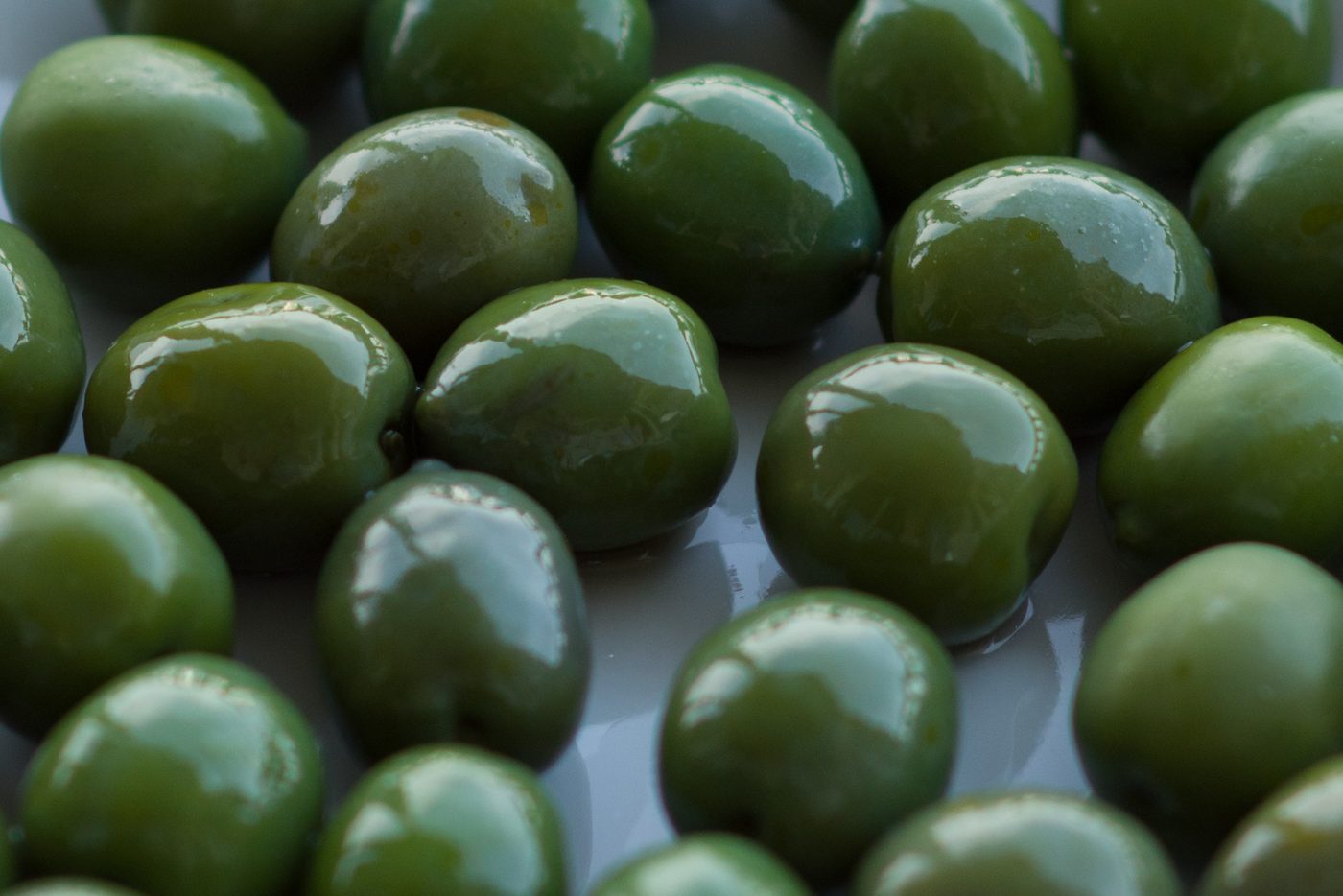
These products come in a few flavours: softgels of olive oil itself, olive-leaf extract sold for vague ‘wellness’, and capsules of concentrated olive polyphenols such as hydroxytyrosol — the antioxidant compounds linked in some research to olive oil’s reputation. The pitch is convenience: the benefits without the calories or the cooking. The problem is dose and evidence, and a little scepticism goes a long way here. This is general information, not medical advice.
What is actually being sold
A single capsule holds a tiny fraction of what you would get from using oil in your food, and much of the human research points to whole diets rich in olive oil, not isolated extracts swallowed as pills. Pulling one compound out of a food rarely behaves the way the food does. Even the one narrowly approved European health claim — that olive-oil polyphenols help protect blood lipids from oxidative stress — is written around eating the oil: it applies to oil delivering at least 5 mg of hydroxytyrosol and its derivatives per 20 g, taken as roughly a daily tablespoon of good oil, not around a supplement.
| Good extra virgin oil | Olive-oil / leaf capsules | |
|---|---|---|
| Polyphenol dose | Meaningful at ~20 g/day; you taste it as pepper | Usually a small, variable amount |
| Evidence base | Whole-diet human studies; an approved EU claim | Mostly lab, animal or small trials |
| What you also get | Flavour, cooking use, the wider diet | A pill, and marketing |
| Cost per benefit | Low — food you enjoy | Often high for the actual dose |
| Honest verdict | The sensible default | Rarely worth it for most people |
The skeptical bottom line
Claims around these supplements lean heavily on lab and animal studies, or on small trials, and routinely overstate what is actually known — watch for any product promising to ‘boost’, ‘detox’ or ‘protect’ in confident language. The compounds are genuinely interesting and under study, but interesting is not proven, and a pill is not a shortcut around an ordinary diet. For almost everyone, simply using good extra virgin olive oil in everyday cooking is cheaper, more pleasant and better supported than any capsule. This is general information, not medical advice.
| What they are | Softgels of oil, olive-leaf extract, or concentrated polyphenols |
|---|---|
| Typical dose | A small fraction of a normal culinary serving of oil |
| Best evidence | Points to whole diets rich in olive oil, not isolated extracts |
| The one EU claim | Written around eating the oil (5 mg HT derivatives per 20 g) |
| Red-flag words | ‘Boost’, ‘detox’, ‘protect’, confident cure-style language |
| Sensible default | Use good oil in food; treat capsules with caution — not medical advice |
Before you buy a bottle of pills
- Ask what the same money buys in actual oil — usually a far better bottle.
- Distrust confident health language: ‘boost’, ‘detox’, ‘protect’, ‘clinically proven’.
- Remember the dose gap: a capsule holds a fraction of a culinary serving.
- Note that the evidence favours the whole diet, not isolated extracts.
- If you have a medical reason to consider supplements, ask a professional — not medical advice.
Olive oil supplements: common questions
Are olive oil capsules worth taking?
For most people, no. A capsule holds a tiny fraction of what a spoon of oil delivers, and the evidence favours whole diets rich in olive oil. Using good oil in food is usually better and cheaper. This is general information, not medical advice.
Is olive-leaf extract proven to work?
The compounds are studied and interesting, but the strong claims rest mostly on lab, animal or small trials. Interesting is not the same as proven; treat confident marketing with caution.
What about hydroxytyrosol supplements?
Hydroxytyrosol is a real olive-oil antioxidant, but the one approved EU claim is written around eating the oil itself, not swallowing an extract. Isolated compounds do not always behave like the food.
Do the capsules deliver the same as the oil?
Generally not. The dose is much smaller and the wider diet, flavour and cooking use are missing. The research base is built on the food, not the pill.
Should I ever take them?
If you have a specific medical reason, discuss it with a professional. As a general wellness purchase, most people are better served by good oil in their food. Not medical advice.
If you are tempted by an olive-oil or olive-leaf supplement, ask one question: what does the same money buy in actual oil? Usually a far better bottle than the pills, with flavour, cooking use and the broader diet behind it. Capsules sell certainty the science has not earned. Eat the food; skip the pill. This is general information, not medical advice.
Drawn from a skeptical reading of supplement evidence and polyphenol research, and the EU olive-oil polyphenol health claim; general information, not medical advice.