Thousands Protest Collapsing Prices in Jaén
In June 2019, more than 5,000 growers marched in Jaén as olive-oil prices fell below the cost of production. Just a few years before the great spike, Spanish farmers were protesting because oil was nearly worthless — the other, opposite face of the price crisis.
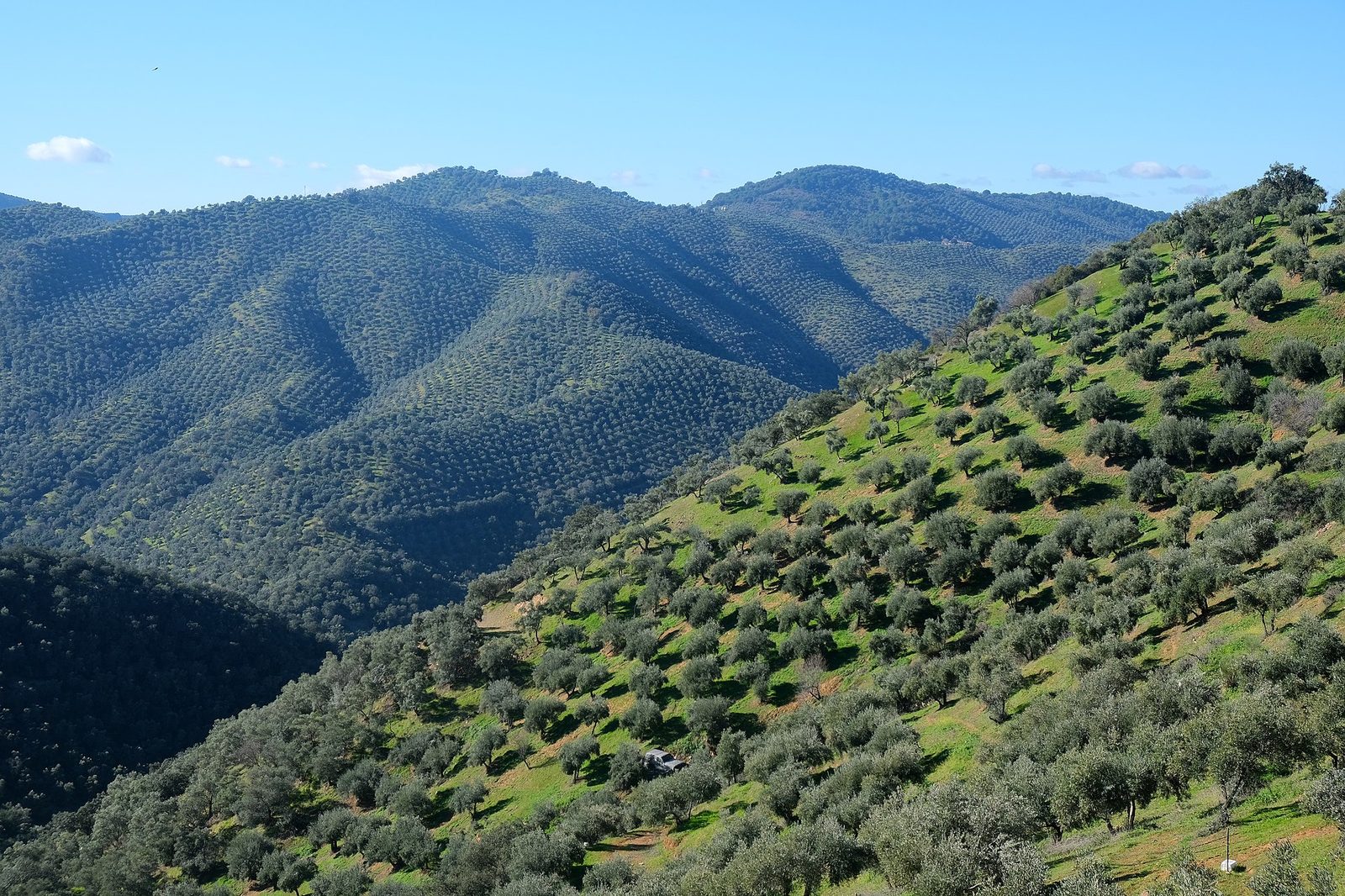
More than 5,000 protesters marched on a government building in Jaén, the heart of Spain’s olive country, demanding action as prices fell below cost — in places under €2.00 a kilo. Riot police were deployed, and officials urged producers to stockpile oil until prices recovered. It is worth remembering this scene, because it is the exact mirror image of the crisis that grabbed all the headlines a few years later. A price too low is a crisis too.
How a glut collapses the price
The 2019 low was the flip side of the same mechanism that later caused the spike. A run of larger harvests and full stocks meant more oil than the market could absorb, and because people do not eat much more olive oil just because it is cheap, the price had to fall a long way to clear the surplus. In a big-crop year the farm-gate price can drop below what it costs to grow the oil — and in Jaén, where so much of Spain’s crop sits, that hit thousands of growers at once.
Why below-cost prices are dangerous
Selling below cost is not just painful; it is corrosive. A grower who loses money year after year stops pruning, stops investing, and eventually walks away — and an abandoned grove does not come back quickly, because a new tree takes years to bear. So a glut today quietly removes capacity for tomorrow, tightening future supply and setting up the next shortage. The 2019 protests were farmers warning, in effect, that cheap oil now means dear oil later.
The boom-and-bust trap
Put 2019 next to the great spike and the whole pattern snaps into focus. First prices crash and growers march because oil is worthless; a few years later prices explode and shoppers wince because oil is scarce — and the second was partly seeded by the first, as the lean years thinned the ranks of growers. Boom and bust serves no one. The goal is neither the punishing high nor the ruinous low, but a fair, steady price that keeps honest groves alive through both. See the opposite extreme in the 2025 crash.
| Price too low (2019) | Price too high (later spike) |
|---|---|
| Glut and full stocks | Drought and empty stocks |
| Farm-gate below cost, under €2/kg | Wholesale near €9/kg |
| Growers march and abandon groves | Shoppers ration and switch oils |
| Sows the next shortage | Sows fraud and theft |
| Both are crises — neither is balance | The fair, steady price is the goal |
What to take from it
- Remember a price too low is a crisis too, not a simple win for shoppers.
- Below-cost prices push growers to abandon groves, seeding the next shortage.
- Jaén’s weight means its pain becomes the world’s future supply problem.
- Root for a fair, steady price, not the lowest or the highest.
- Cheap oil now can mean dear oil later — the two extremes are linked.
The 2019 Jaén protests: common questions
Why were growers protesting in 2019?
Olive-oil prices had fallen below the cost of production — in places under €2 a kilo — so more than 5,000 growers marched in Jaén demanding action.
How can prices fall below production cost?
A run of large harvests and full stocks can leave more oil than the market absorbs. Since demand barely rises when oil is cheap, the price falls steeply to clear the surplus — sometimes below cost.
Why is a low price dangerous?
Growers who lose money stop investing and eventually abandon groves. An abandoned grove does not recover quickly, so a glut today removes capacity and sets up the next shortage.
How does 2019 relate to the later spike?
They are mirror images of the same boom-and-bust. The lean years thinned the ranks of growers, which partly seeded the scarcity that drove the later record-high prices.
What is the healthy alternative?
A fair, steady price that covers growers’ costs with a modest margin and stays affordable for shoppers — between the ruinous low and the punishing high.
Remember this scene the next time you celebrate cheap oil: a price too low is a crisis too. It is how groves get abandoned and the next shortage is sown. Just a few years before the great spike, Spanish growers were marching in Jaén because their oil was nearly worthless — and those lean years quietly thinned the ranks of the very farmers the world would soon be desperate for. Boom and bust serves no one. A fair, steady price is the goal, and it always has been.
Drawn from June 2019 reporting on grower protests in Jaén as Spanish olive-oil prices fell below the cost of production.