Italy Forecasts a Lighter 2020/21 Crop
In a lean year, many growers choose to pick early — greener, sooner, and at a cost. Olives picked green give less oil but better oil: brighter, more peppery, more stable. That single choice is the craft of good extra virgin in a sentence.
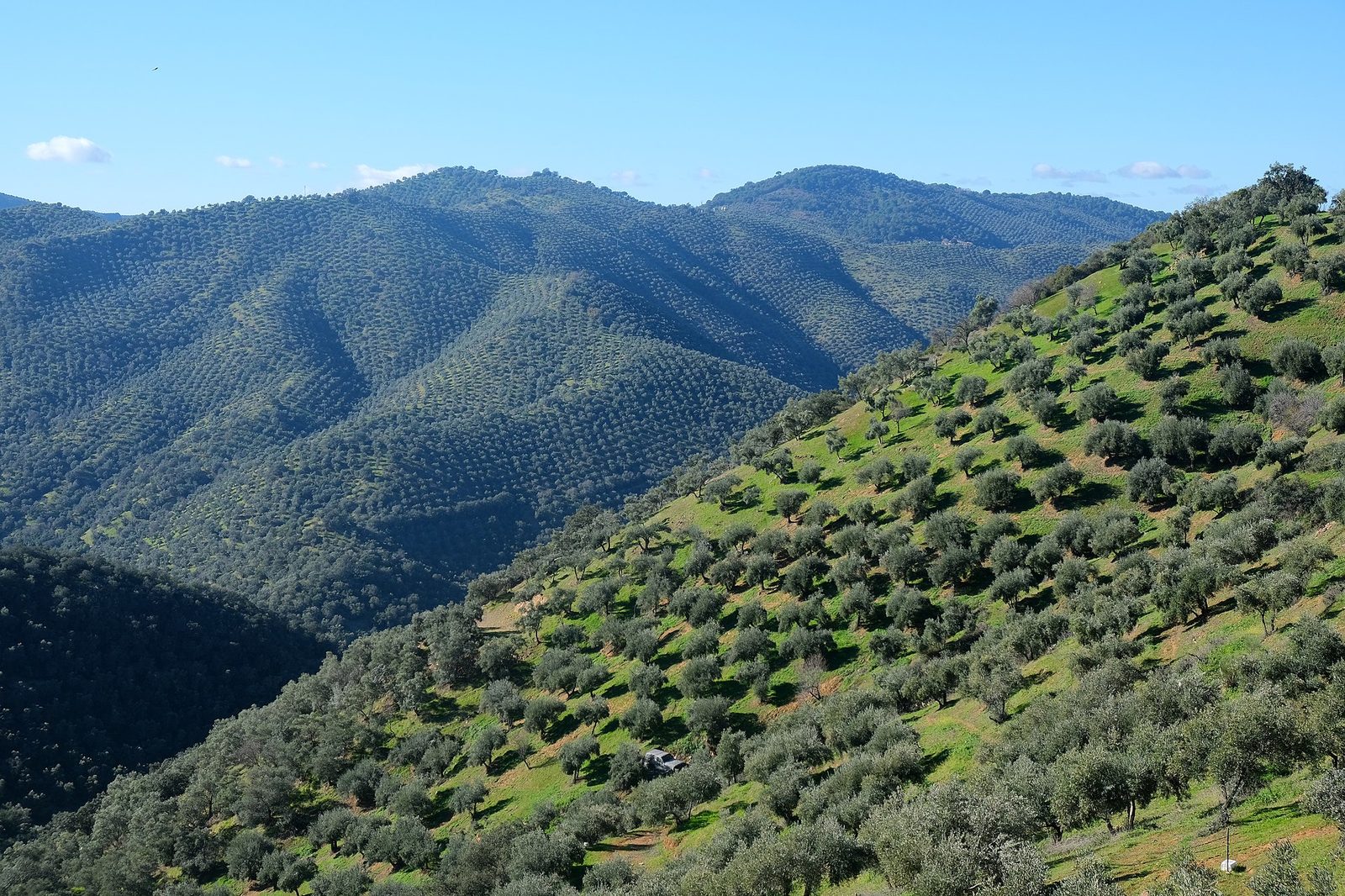
When a harvest is forecast light, growers face a choice that reveals everything about how they think. Some pick early — harvesting the olives greener and pressing fast — choosing quality over quantity. It sounds like a small technical decision. It is, in fact, the whole craft of good oil in a single move: a bet that a smaller amount of brighter, more vigorous oil is worth more than a larger amount of tired, flat oil. A grower who picks early in a hard year is telling you what they care about.
Why green olives make better oil
As an olive ripens from green through purple to black, it fills with oil but loses intensity. A green olive holds fewer grams of oil but far more of the compounds that make extra virgin worth buying: the polyphenols behind the peppery bite and the bitterness, and the antioxidants that keep the oil fresh. Pick early and you trade yield for character — less oil per tree, but oil that is greener, more aromatic, more peppery and more stable on the shelf. Pick late and you get more oil, blander and quicker to fade.
The quality-versus-quantity bet
Every grower makes this trade-off, and money sits on both sides of it. Waiting for full ripeness maximises the litres, which matters when you are paid by volume. Picking green sacrifices some of those litres for a better product that can command a higher price — if the buyer knows the difference. In a lean year, choosing to pick early is a deliberate bet on quality, and often a bet on customers who can taste it. It is exactly the choice that separates commodity oil from the real thing.
What it means when you buy
This is what you are paying for in a genuine early-harvest extra virgin. That green, grassy, peppery character — the catch at the back of the throat that beginners sometimes mistake for a fault — is the taste of olives picked young and pressed fast. It is not harshness; it is freshness and polyphenols. Look for “early harvest” or a harvest date early in the season, expect to pay a little more for less oil, and taste for that living pepperiness. See what ‘extra virgin’ really means.
| Picked… | Yield | Flavour | Keeping quality |
|---|---|---|---|
| Green (early) | Lower | Bright, peppery, bitter, aromatic | More stable |
| Turning (mid) | Moderate | Balanced | Good |
| Black (late) | Higher | Mild, ripe, mellow | Fades sooner |
How to spot a quality-first oil
- Look for ‘early harvest’ or a harvest date early in the season — the mark of a quality-first choice.
- Expect to pay a little more for less oil : green picking costs yield to gain character.
- Taste for a green, peppery bite : that catch in the throat is polyphenols and freshness, not a fault.
- Remember early-harvest oil is often more stable : its antioxidants help it keep.
Early harvest and oil quality: common questions
Why pick olives green?
Green olives hold less oil but far more of the polyphenols and antioxidants that make extra virgin good — brighter, more peppery, more stable. Picking early trades yield for quality.
Does early picking mean less oil?
Yes. A green olive yields fewer grams of oil than a ripe one, so an early harvest gives less oil per tree. That lower yield is the price of the better character.
Why is early-harvest oil peppery?
The pepperiness and bitterness come from polyphenols, which are highest in green fruit. That catch at the back of the throat is a sign of freshness and quality, not a defect.
Is early-harvest oil worth paying more for?
Often, yes — if you value flavour and freshness. You are paying for less oil of higher quality, more aromatic and more stable on the shelf.
How do I find it?
Look for ‘early harvest’ on the label or a harvest date early in the season, and taste for a green, grassy, peppery character. A clear harvest date is the honest producer’s signal.
That ‘pick early’ choice is the craft of good oil in a sentence: olives picked greener and pressed fast give less oil but better oil — brighter, more peppery, more stable. A grower who harvests early in a hard year is betting on quality, often on customers who can taste it. It is exactly what you are paying for when you buy a real extra virgin. That green catch at the back of the throat is not harshness; it is freshness, and it is the whole point.
Drawn from Italian trade harvest reporting and standard olive-oil production practice on ripeness and polyphenols.