The Quiet Dignity of the Old Grove-Keeper
You rarely meet them, but you taste their work. The old grove-keeper — the farmer who has tended the same trees for fifty years, knows each one’s temper, and prunes by feel — is the unsung figure behind the best oils. Their patience is a kind of knowledge no manual quite captures, and it is fading.
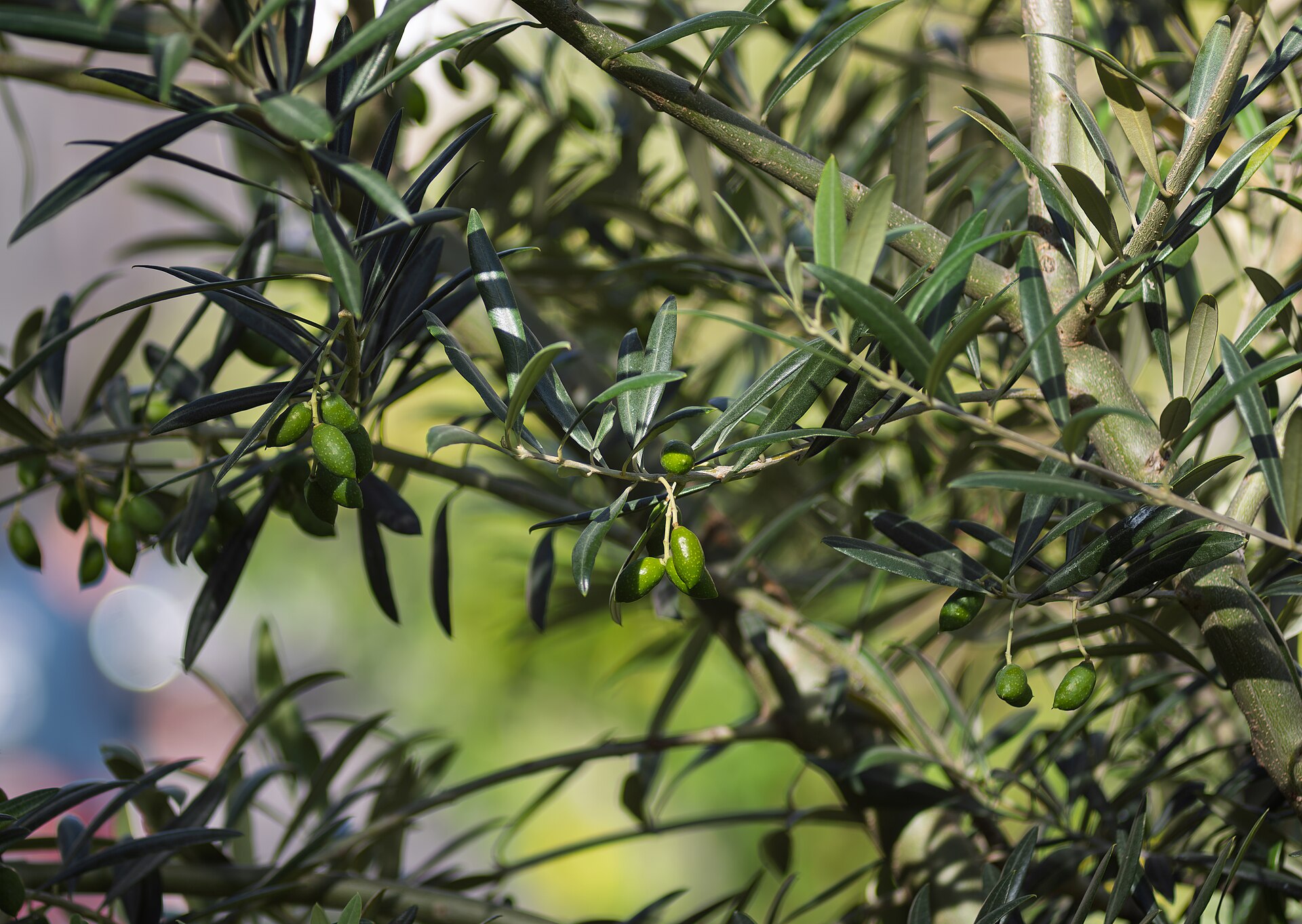
Behind a genuinely good bottle there is very often a person the label never names: the old grove-keeper, who has walked the same rows for half a century and reads the trees the way you read a familiar face. Their skill looks like nothing — a bit of pruning, a decision about when to pick — and it is, in fact, the hardest thing in the whole business to replace. This is a quiet appreciation of a figure the trade depends on and rarely credits, and a clear-eyed look at what we lose as they go.
A lifetime of one grove
An old grove-keeper measures time in trees, not seasons. They know which corner ripens first, which tree sulks after a hard winter, which roots reach the damp and which struggle on the ridge. They prune with a confidence that looks careless and isn’t — opening the canopy to light and air, taking the long view, leaving wood that will not fruit for years. They read the weather in the leaves and the soil under their boots. None of it is written down; it lives in the hands and the eye, passed by working alongside a parent or grandparent through decade after decade until the grove and the keeper seem to think alike.
Why it shows up in the bottle
The single decision that most affects an oil’s quality is when to pick, and it is precisely the decision a keeper makes by judgement rather than calendar. Harvest a week too late and the fruit is riper, the yield higher, the oil fatter but flabbier, poorer in the polyphenols that give a fresh oil its peppery bite and its keeping power. The keeper who picks at exactly the right moment — often earlier than a pure yield-chaser would — is the reason a small artisan oil can taste so alive. That timing is not in any handbook; it is in fifty years of watching this hillside.
| The old keeper’s grove | Intensive machine grove | |
|---|---|---|
| Pick timing | By feel, often early for quality | By schedule and yield |
| Pruning | By hand, tree by tree | Mechanical, uniform |
| Knowledge | Unwritten, place-specific | Transferable, generic |
| Typical oil | Small batches, high character | High volume, consistent, plainer |
| What is at risk | Vanishes when the keeper goes | Scales easily, loses nuance |
What we lose when they go
This knowledge does not transfer to a spreadsheet. As young people leave the land and groves are sold, replanted intensively or simply abandoned, the old keepers take their feel for a particular hillside with them. Machines can pick and prune, and do it cheaply, but they do not know the trees. Something real is lost: the unhurried care that lets a tree live for centuries, the judgement that picks at exactly the right week, the quiet pride in oil that does not need a label to be good. Honouring the grove-keeper is not nostalgia — it is recognising that the finest oils still come from human attention, not just good machinery.
How to back the keepers
- Buy oil with a face behind it — a family name, a single grove, a grower who will talk about their trees.
- Favour an early-harvest, single-estate oil; that timing is the keeper’s craft in a bottle.
- Pay the few extra coins — you are buying a lifetime of attention no machine has learned.
- Ask about the grower at the mill or market; the good ones are proud to tell you.
The grove-keeper’s craft: common questions
What does an olive grove-keeper actually do?
Tends the trees year-round — pruning, watching for pests, and above all judging when to harvest — using long, unwritten experience of a particular grove rather than a fixed schedule.
Why does their skill matter for the oil?
The biggest quality decision is when to pick. A keeper who harvests at exactly the right moment, often early, protects the polyphenols that give fresh oil its bite and keeping power.
Can machines replace them?
Machines can pick and prune cheaply, but they cannot read a particular hillside. The unwritten, place-specific judgement is what is lost when a keeper goes.
Why is this knowledge disappearing?
Young people are leaving the land, and groves are sold, replanted intensively or abandoned, so the feel for a specific grove is not passed on.
How can I support this kind of oil?
Buy single-estate, early-harvest oils with a named grower, pay the small premium, and ask about the grove — you are paying for human attention no machine replaces.
When you find an oil with a face behind it — a family name, a single grove, a grower who will tell you about their trees — it is usually worth the few extra coins. You are paying for that lifetime of attention, the part of the craft no machine has learned to replace. The single thing that most decides an oil’s quality is the week it was picked, and that judgement is exactly what a keeper carries in the hands and can’t write down. Back the growers who still have it, or watch it quietly disappear.
Drawn from accounts of traditional Mediterranean grove husbandry and the role of harvest timing in oil quality.