Frost and Drought Cloud the 2021 Harvest
The olive is a heat-lover, so we assume drought is its only real enemy. It is not. A hard, untimely frost can be every bit as deadly — and a single year that delivers frost and drought together is the climate whiplash a warming Mediterranean keeps producing.
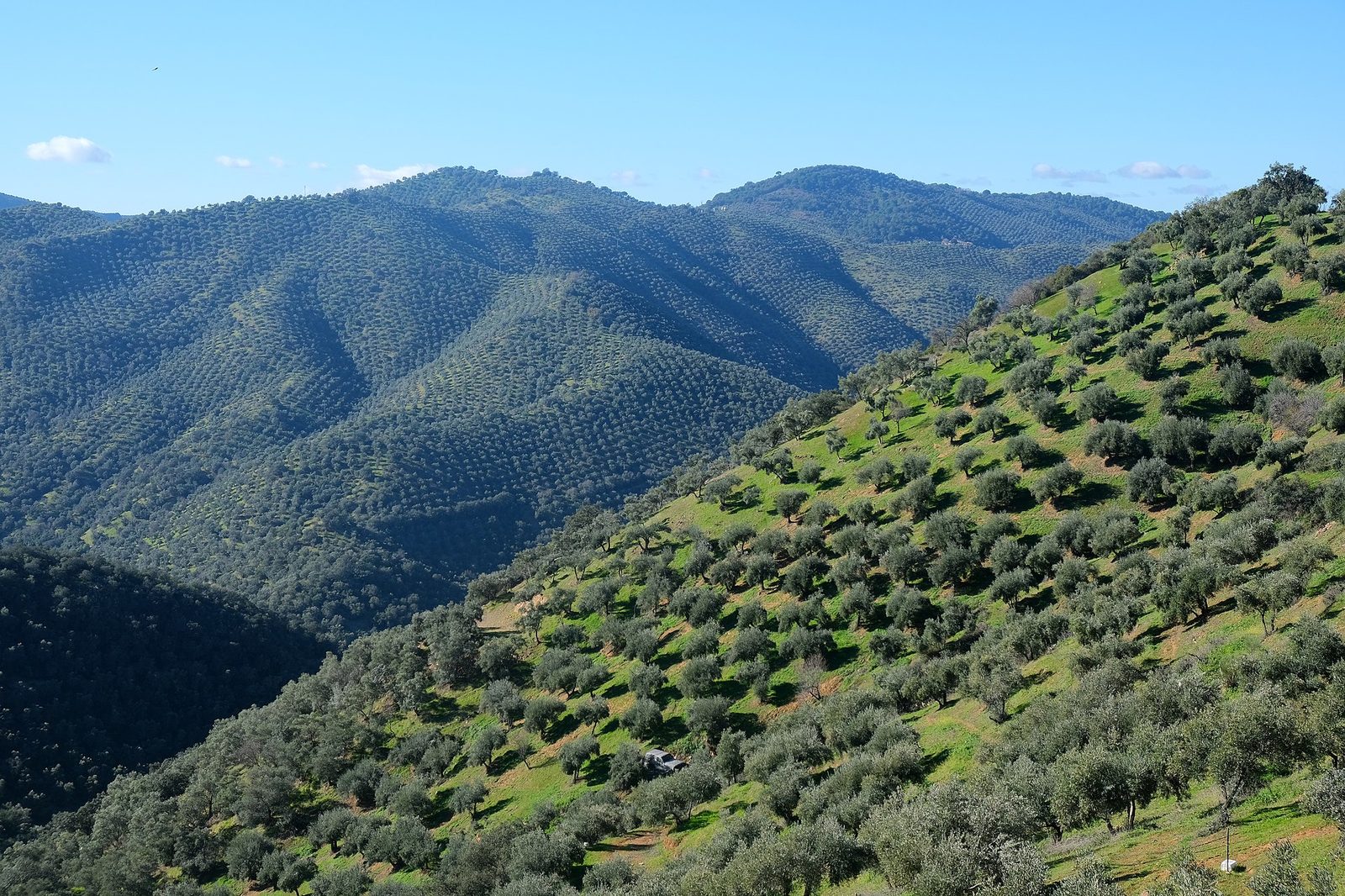
When a year clouds the olive harvest with both spring frost and summer drought, it exposes something the drought headlines usually miss. We picture the olive as a Mediterranean sun-worshipper whose only threat is a lack of water. But cold can be just as ruinous as heat, and a season that brings both — the trees punished from opposite directions — is exactly the kind of erratic weather a warming climate keeps delivering. In hindsight such years often read as a hinge, the moment comfortable abundance began, quietly, to crack.
Why frost is the underrated killer
The olive tolerates heat and drought better than almost any tree crop, but it has a real weakness for cold. A hard, untimely frost can damage or kill the blossom, wrecking the fruit set before the crop even begins; it can scorch new growth; and a severe enough freeze can kill whole young trees outright. This is precisely why olives struggle to grow commercially in places that are otherwise warm enough but suffer sharp winter or spring cold snaps — the frost, not the heat, is what sets the northern and inland edge of olive country.
The worst of both worlds
Frost and drought in the same season is climate whiplash: cold striking the blossom in spring, then heat and dryness starving whatever fruit survives through summer. Each alone can dent a crop; together they can gut it, and they leave the trees stressed and more vulnerable to pests and disease on top. A grove can sometimes recover from one shock in a season. Two, pulling in opposite directions, give it no respite — and as the climate grows more erratic, these double-hit years arrive more often, with less margin for error each time.
What it means for the map and the price
The lesson is that the olive’s range is fenced by cold as much as by heat, and both fences are moving. A climate that delivers frost and drought in one year makes the traditional heartlands riskier, and it complicates the neat idea that the crop can simply migrate to cooler ground — cooler ground brings its own frost risk. For a buyer, the takeaway is the familiar one: the reliable, cheap Mediterranean abundance of the past is less dependable than it was, which is why a fair, steady price for honest oil matters more with every erratic year.
| The olive’s strength | Heat and drought tolerance |
|---|---|
| Its cold weakness | Frost damages blossom, growth, young trees |
| What frost limits | The northern and inland edge of olive country |
| Climate whiplash | Frost and drought in a single season |
| The combined effect | Wrecked crop, stressed trees, more pests |
| The trend | Double-hit years arriving more often |
Understanding frost risk
- Remember the olive is frost-vulnerable, not just drought-threatened — cold sets its cooler-climate limits.
- A late frost at flowering can ruin the fruit set before the crop even starts.
- Watch for double-hit years — frost then drought — which give the trees no respite.
- Note that migrating the crop to cooler ground trades heat risk for fresh frost risk.
Frost, drought and the olive: common questions
Isn’t drought the olive’s main threat?
It is a major one, but not the only one. A hard, untimely frost can be just as deadly, damaging blossom and new growth and even killing young trees.
How does frost damage an olive crop?
By harming the blossom and ruining the fruit set, scorching new growth, and in severe cases killing whole young trees before the season’s crop can form.
What is ‘climate whiplash’?
A single year that brings opposite extremes — such as spring frost followed by summer drought — punishing the trees from two directions with no recovery in between.
Why does frost limit where olives grow?
Because sharp winter or spring cold can kill or cripple the trees, frost sets the northern and inland edge of olive country even where summers are warm enough.
Can’t the crop just move to cooler ground?
Partly, but cooler ground brings its own frost risk, so migration trades one danger for another rather than removing it.
People think of the olive as a heat-lover threatened by drought — but a hard, untimely frost can be just as deadly, damaging blossom and fruit or killing whole young trees. It’s the reason olives struggle in otherwise-warm places that get sharp cold snaps. A climate that delivers both frost and drought in one year is the worst of both worlds for a grove, punishing the trees from opposite directions with no respite — and those double-hit years are arriving more often.
Drawn from contemporary spring-frost and drought reporting and International Olive Council production data.