In Focus: The Nocellara del Belice Olive
Round, vivid green and buttery-crisp, the Nocellara del Belice is one of the few olives that genuinely excels at both jobs — a superb table fruit and the base of one of Sicily’s best oils. From the Belice valley in the west of the island, it is the olive often sold abroad simply as “Castelvetrano.”
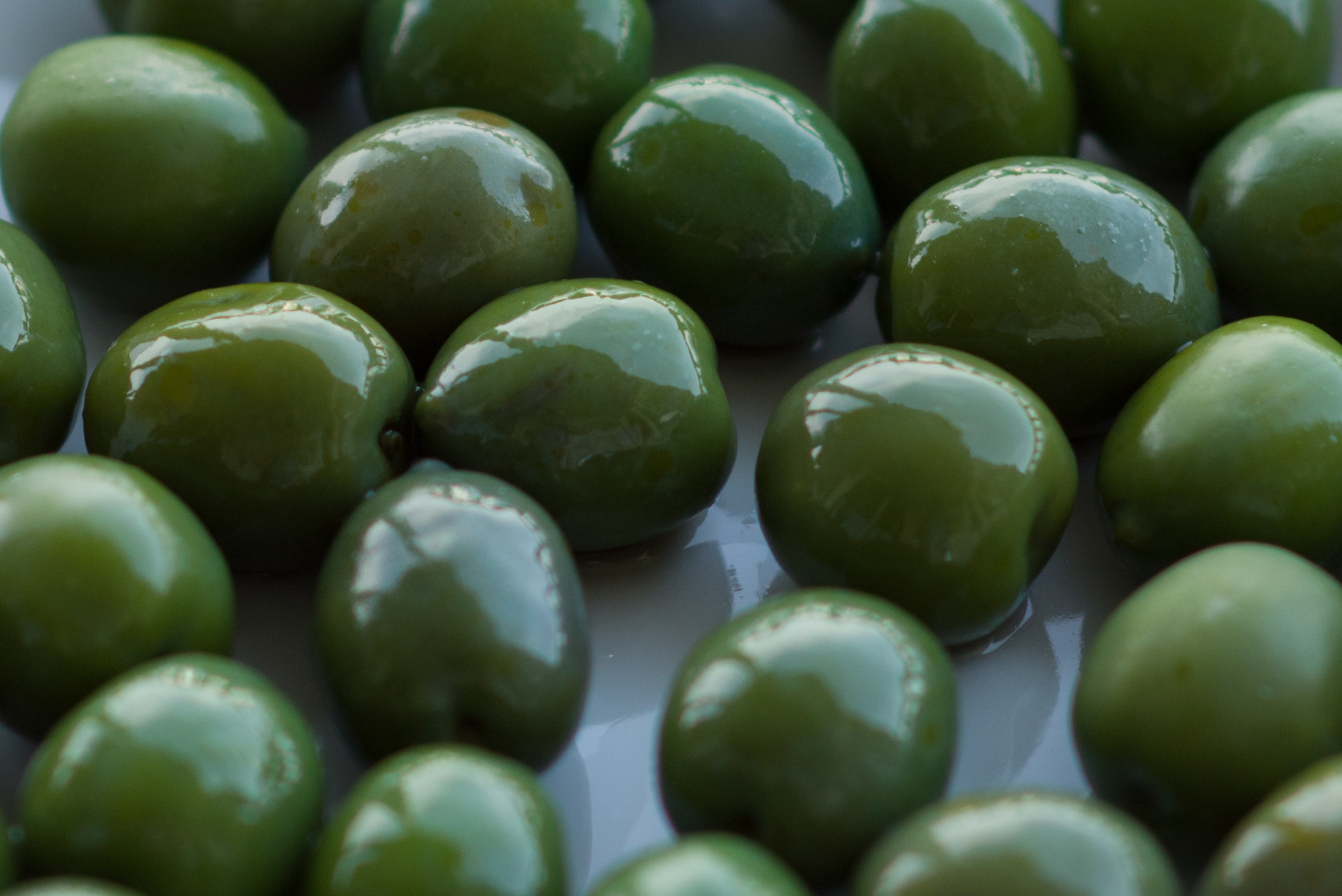
Nocellara del Belice carries a PDO covering several towns around Castelvetrano in Trapani province. The fruit is plump and almost spherical, with thick, crisp flesh and a small stone. As a table olive it is picked young and given a gentle natural cure, keeping that startling grass-green colour and a mild, sweet, faintly buttery taste with none of the bitterness most green olives carry. The same variety, pressed for oil, yields a fragrant green extra virgin with notes of tomato leaf, almond and fresh herbs.
The variety that does both
Few varieties give you both a great olive and a great oil from the same tree, which is exactly why Sicilian growers treasure it. As a table fruit, eaten cold, it is crunchy, juicy and disarmingly sweet — the olive even avowed olive-sceptics tend to like. As an oil it is medium-fruity and lightly peppery, excellent raw over fish, white beans or ripe tomatoes.
That electric green
The famous bright Castelvetrano colour owes itself to a quick, traditional cure that preserves the natural green rather than letting the fruit oxidise. A reputable Castelvetrano lists only olives, water, salt and perhaps a little lactic acid. The colour should come from a careful cure, not a dye — so if the green looks unnaturally fluorescent and the label is vague, be wary. Honest fruit is vivid but not radioactive.
One name, two products
A useful thing to know at the deli counter: “Castelvetrano” is really the town and the table style, while “Nocellara del Belice” is the variety. For the table olive, look for a clean ingredient list and that natural, lively green. For the oil, look for “Nocellara del Belice” or the Valle del Belice PDO and a recent harvest date, and use it raw where its fresh, green character can shine. Same tree, two delights — just buy the right one for the job.
The olive that converts sceptics
Every olive seller knows one trick worth more than any sales pitch: hand a self-declared olive-hater a cold, crisp Castelvetrano and watch their face change. The Nocellara’s sweetness and crunch sidestep everything people dislike about olives — the bitterness, the brine sting, the soft slither — and replace it with something closer to a fresh vegetable. It is the gateway olive par excellence, and a smart thing to have in the fridge when guests “don’t really like olives.” Nine times out of ten, they like this one.
| Origin | Valle del Belice, western Sicily |
|---|---|
| PDO | Nocellara del Belice |
| Sold abroad as | Castelvetrano (table olive) |
| Primary use | Both table and oil |
| Cure | Quick natural cure, keeps the green |
| Flavour | Mild, sweet, buttery; oil is green and herbal |
| Best with | Aperitivo (table); fish, beans, tomatoes (oil) |
- A clean label lists only olives, water, salt and perhaps a little lactic acid.
- The green should look vivid but natural, not fluorescent — be wary of dye.
- For oil, look for Nocellara del Belice or the Valle del Belice PDO.
- Eat the table olives cold and crisp — chilling brings out the crunch.
- Use the oil raw over fish, white beans or ripe tomatoes.
Nocellara del Belice olives: common questions
Is Castelvetrano the same as Nocellara del Belice?
Effectively yes. Nocellara del Belice is the variety; “Castelvetrano” is the town and the bright table-olive style most of the world knows it by.
Why are Castelvetrano olives so green?
From a quick, traditional cure that preserves the natural green rather than letting the fruit oxidise. The colour should come from the cure, not a dye — a clean label lists just olives, water, salt and maybe lactic acid.
Are Castelvetrano olives dyed?
Reputable ones are not. If the green looks unnaturally fluorescent and the ingredient list is vague, be sceptical. Honest fruit is vivid but natural-looking.
Can the same olive make oil?
Yes — that is its rarity. The same Nocellara del Belice fruit presses into a fragrant green extra virgin with tomato leaf, almond and herb notes, excellent raw.
How should I serve them?
Eat the table olives cold and crisp as an aperitivo; use the oil raw over fish, white beans or ripe tomatoes.
That electric green should come from a careful cure, not a dye — a reputable Castelvetrano olive lists only olives, water, salt and perhaps a little lactic acid. If the colour looks unnaturally fluorescent and the label is vague, be wary. For the oil, look for “Nocellara del Belice” or the Valle del Belice PDO and a recent harvest date, and use it raw where its fresh, green character can shine.
From Italian PDO records and tasting Sicilian oils at source.