In Focus: The Lucques Olive
Among French table olives, the Lucques is the one connoisseurs whisper about. Grown in the Languedoc, it is a bright green, curved olive shaped like a parrot’s beak, with sweet, buttery flesh that tastes of fresh hazelnut and avocado. Here is why it is worth seeking out.
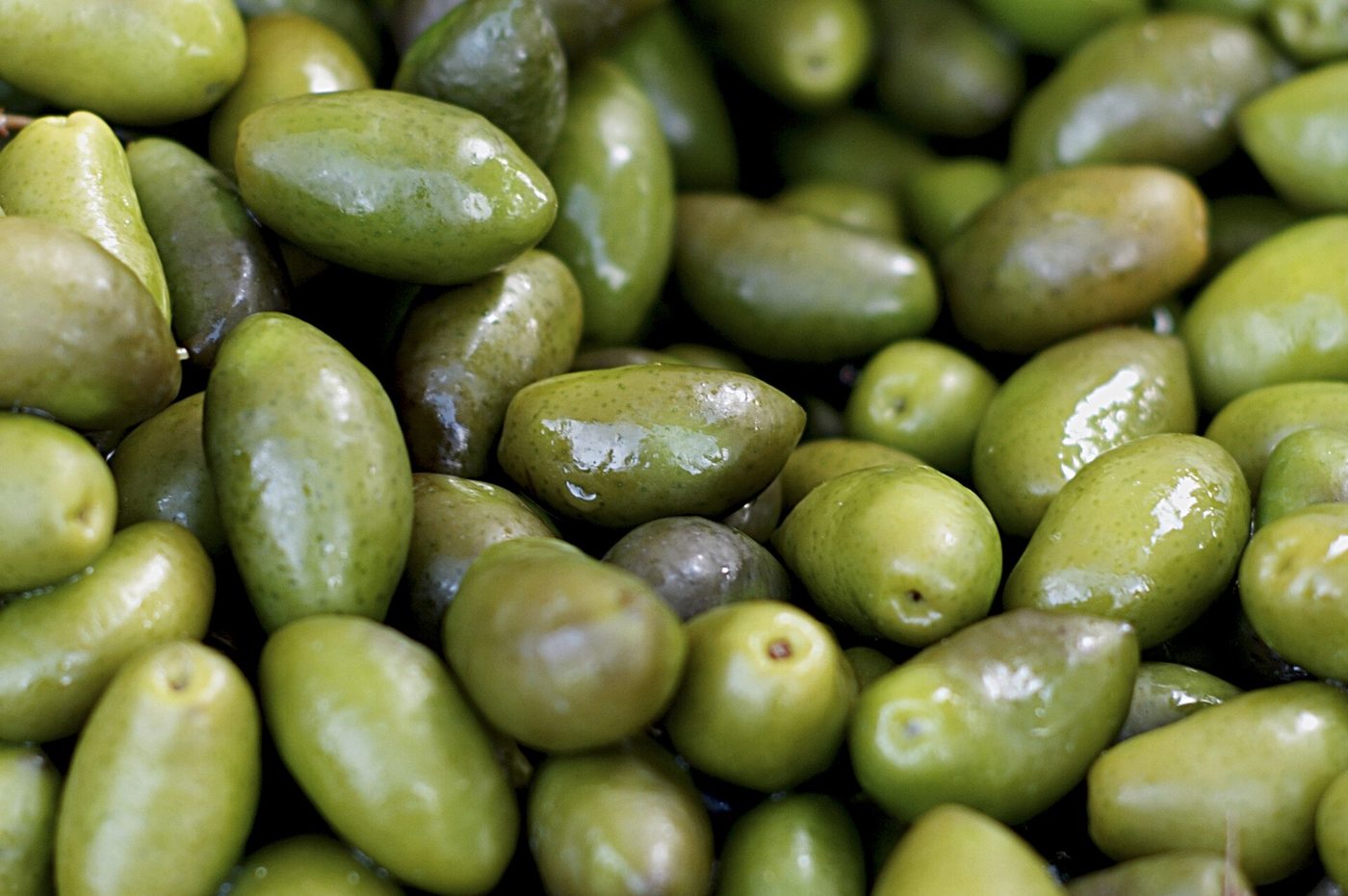
The Lucques is grown for eating, not for oil. Its distinctive crescent shape and vivid green colour make it instantly recognisable, and it carries the ‘Lucques du Languedoc’ AOP, tied to the Hérault and Aude in southern France — its historic home is the outlet of the Hérault gorges. Picked green and lightly cured, it keeps a firm but tender flesh with very little bitterness. The flavour is famously gentle and nutty, more like a buttery vegetable than the briny punch some people expect from an olive. It is a seasonal pleasure, best in autumn soon after harvest.
Origin & character
The Lucquier tree is fussy — it really only thrives in this corner of the Languedoc, on chalky soils and in the region’s strong winds — which is part of why the olive stays a local speciality. That gentle, buttery flesh, with its notes of hazelnut and avocado and very little bitterness, is exactly what wins over people who think they dislike olives. It is one of the great arguments that a table olive can be delicate rather than aggressive. For the wider family, see French olives.
How to enjoy it
Serve Lucques simply: drained, perhaps with a little of their own oil, good bread and a glass of crisp white or rosé. Their mild, fresh taste pairs beautifully with soft cheeses, charcuterie or a plain aperitif spread where a harsh olive would dominate. Because they are lightly cured and not heavily salted, eat them within a reasonable time and keep them cold.
Why they cost what they cost
Here is the honest bit. Lucques are not cheap, and there is a real reason: the tree is temperamental, the harvest is by hand, the season is short, and the fruit is fragile. That is a genuine premium, not a marketing one. But it also makes the name worth borrowing, so be a little wary of suspiciously cheap ‘Lucques-style’ green olives that are simply another variety trading on the reputation. For a green table olive that wins over olive sceptics, few do it more gracefully than the real thing.
| Origin | Hérault & Aude, Languedoc, France |
|---|---|
| Type | Table olive |
| Protected origin | AOP Lucques du Languedoc |
| Harvest | September–October (green) |
| Flavour | Sweet, buttery, nutty; low bitterness |
| Best use | Plain as an aperitif; soft cheese, charcuterie |
Buying & using Lucques
- Buy them fresh in autumn — they are a short-season, lightly cured product.
- Keep them chilled and eat them within a reasonable time.
- Serve them plain so the hazelnut character comes through.
- Be wary of cheap ‘Lucques-style’ olives — the real AOP fruit carries a genuine premium.
Lucques olives: common questions
Is Lucques an oil or a table olive?
A table olive, grown for eating rather than pressing. Its sweet, buttery flesh is the whole point.
Where does Lucques come from?
The Languedoc in southern France — the Hérault and Aude — where it carries the ‘Lucques du Languedoc’ AOP. The tree barely thrives anywhere else.
What does a Lucques taste like?
Gentle, sweet and nutty, with notes of fresh hazelnut and avocado and very little bitterness — more like a buttery vegetable than a briny olive.
Why are Lucques olives expensive?
The tree is temperamental, the harvest is by hand, the season is short and the fruit is fragile — a genuine premium, not a marketing one.
How should I store and serve them?
Keep them chilled, eat them within a reasonable time, and serve them plain with bread, soft cheese or charcuterie.
If someone tells you they do not like olives, a bowl of Lucques is your best rebuttal — sweet, buttery and nothing like the sharp black olives that put them off. Buy them fresh in autumn, keep them chilled, and serve them plain so their hazelnut character comes through. They reward simplicity. And treat suspiciously cheap ‘Lucques-style’ olives with doubt: the real AOP fruit is dear for good reasons, and the name is worth borrowing.
Drawn from the Lucques du Languedoc AOP and Hérault growing tradition.