Olive Oil for Hair: Does It Actually Work?
Before there were conditioners, there was olive oil, and it still works as a rich deep-conditioning treatment for hair. But the internet oversells it wildly, so here is the honest version — what it does, what it can’t, and the two caveats the how-to videos always skip.
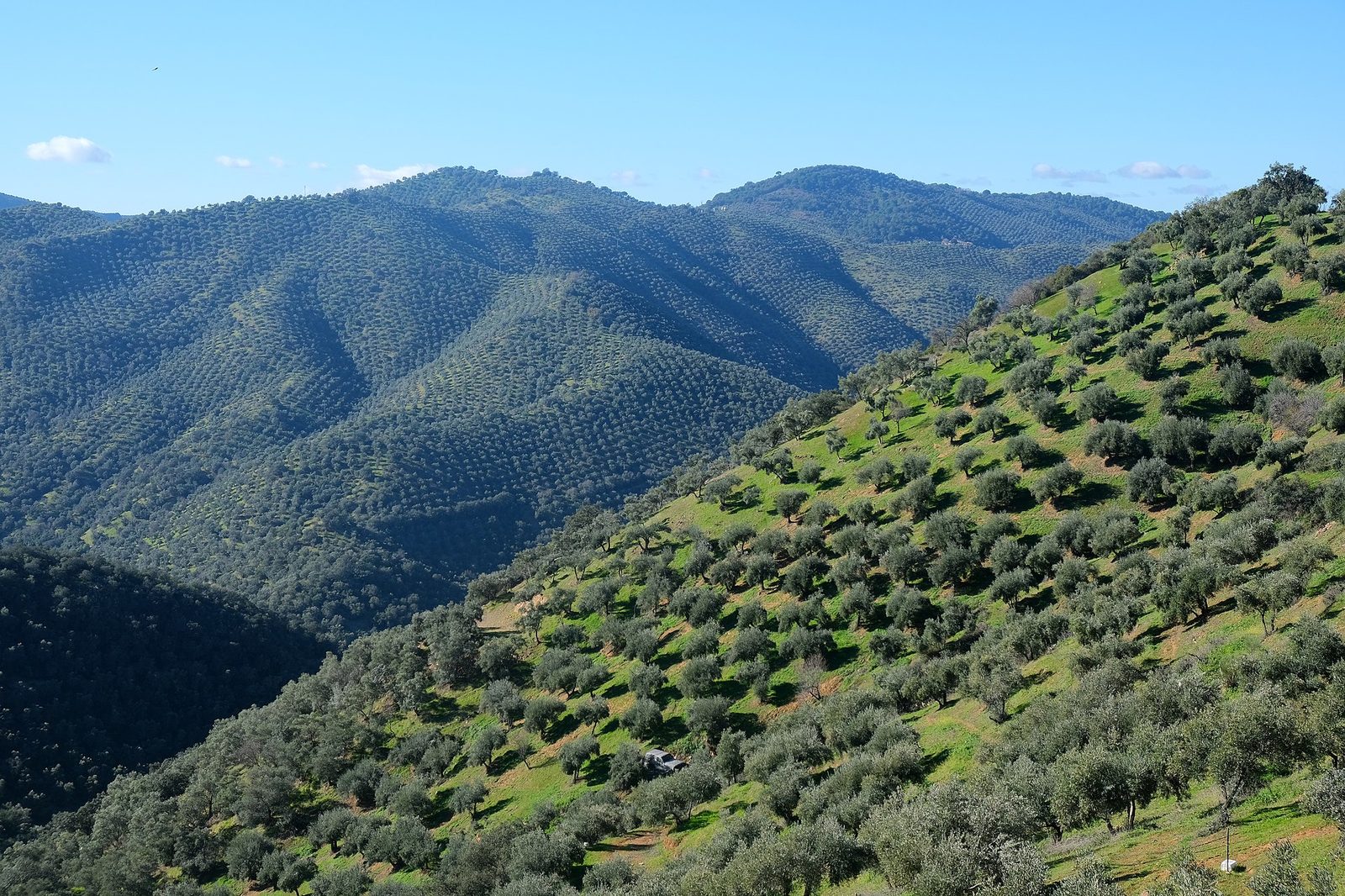
Olive oil is one of the oldest hair and skin treatments there is, and unlike a lot of folk wisdom, this one has a real basis. It is a rich emollient: an oil that coats, softens and helps seal moisture into the hair shaft. Warmed and worked through dry lengths and ends, left for twenty to thirty minutes and then shampooed out, it smooths frizz and adds shine — a genuine, cheap, natural deep-conditioning mask, especially for thick, dry, coarse or curly hair. That is the honest good news. Now the caveats.
What it does well
As a conditioning treatment olive oil earns its reputation. It is particularly good on hair that is thick, coarse, dry or curly — the types that drink up oil and look duller without it. It coats each strand, tames flyaways, and leaves hair softer and glossier. On skin it behaves the same way: a simple, effective moisturiser that many people with very dry skin swear by. None of this is mysterious; it is just the physics of a fatty oil sitting on and slightly into the surface.
| What it is | A plant oil, mostly oleic acid (a fatty acid) |
|---|---|
| How it works on hair | Emollient — coats the shaft, seals in moisture, adds shine |
| Best for | Thick, coarse, dry or curly hair; very dry skin |
| Least suited to | Fine or oily hair (weighs it down, looks greasy) |
| Does NOT | Speed hair growth or cure baldness |
| Skin note | Can irritate or worsen some conditions, e.g. eczema-prone skin |
What it can’t do
Here is where the internet loses its head. Olive oil does not make hair grow faster and it does not cure baldness — those claims are myths. It sits on the hair shaft; it does not feed the follicle, which is where growth is actually decided, below the skin. A conditioning oil can make existing hair look thicker, healthier and less prone to breakage, which is worth having. But if a product or a video promises new growth from an oil, that is marketing, not biology.
The two honest caveats
First, olive oil is heavy. It is wonderful on thick or coarse hair, but it can leave fine or oily hair limp and greasy — so use a little, keep it to the ends, and go in on dry hair, which helps it penetrate and rinse cleaner. It is genuinely hard to wash out; expect to shampoo twice. Second, on skin the picture is not all rosy: some research suggests olive oil can disturb the skin’s barrier and may not suit people prone to eczema or with sensitive, damaged skin. For the face, the lighter refined derivative — squalane — is often the smarter choice. This is general information, not medical advice.
- Use it as an occasional mask, not a daily product — 20–30 minutes, then shampoo out.
- Keep it to the ends and lengths, away from the roots, especially if your hair is fine.
- Apply to dry hair — it penetrates better and rinses cleaner than on wet.
- Expect to shampoo twice — it is a heavy oil and clings.
- Don’t waste your best extra virgin — a basic olive oil is fine for your head.
- Patch-test on skin if you are eczema-prone; consider squalane for the face.
Olive oil for hair and skin: common questions
Does olive oil make hair grow faster?
No. That is a myth. Olive oil coats the hair shaft but does not feed the follicle, where growth is determined. It can make existing hair look healthier and reduce breakage, but it cannot speed growth or cure baldness.
How do I use it as a hair treatment?
Warm a modest amount, work it through dry ends and lengths, leave for 20–30 minutes, then shampoo out — usually twice, as it is heavy. Use it as an occasional mask, not daily.
Is it bad for fine or oily hair?
It can be. Olive oil is heavy and may leave fine or oily hair limp and greasy. If you use it, apply a little to the ends only and rinse thoroughly.
Is olive oil good for skin?
For many people it is an effective, cheap moisturiser, especially on very dry skin. But some research suggests it can disturb the skin barrier and may not suit eczema-prone or sensitive skin. Patch-test first. This is general information, not medical advice.
Should I use extra virgin on my hair?
No need. A basic olive oil works just as well as a conditioner; save your best extra virgin for the plate.
Two things the how-to videos never tell you. First, olive oil is heavy and genuinely hard to rinse — wonderful on thick, coarse hair, a greasy disaster on fine hair. Use little, keep it to the ends, go in on dry hair and shampoo twice. Second, don’t squander your good oil on your scalp; a cheap bottle conditions just as well. And ignore anyone selling growth or a baldness cure from a bottle of oil — it sits on the hair, it does not feed the follicle. This is general information, not medical advice.
Drawn from the emollient chemistry of olive oil and its long use in hair and skin care. General information, not medical advice.