Cooking the Spanish Way with Olives and Olive Oil
In Spain olive oil is not a finishing flourish; it is the medium everything starts in. Get that one habit right and the rest of Spanish cooking falls into place around it.
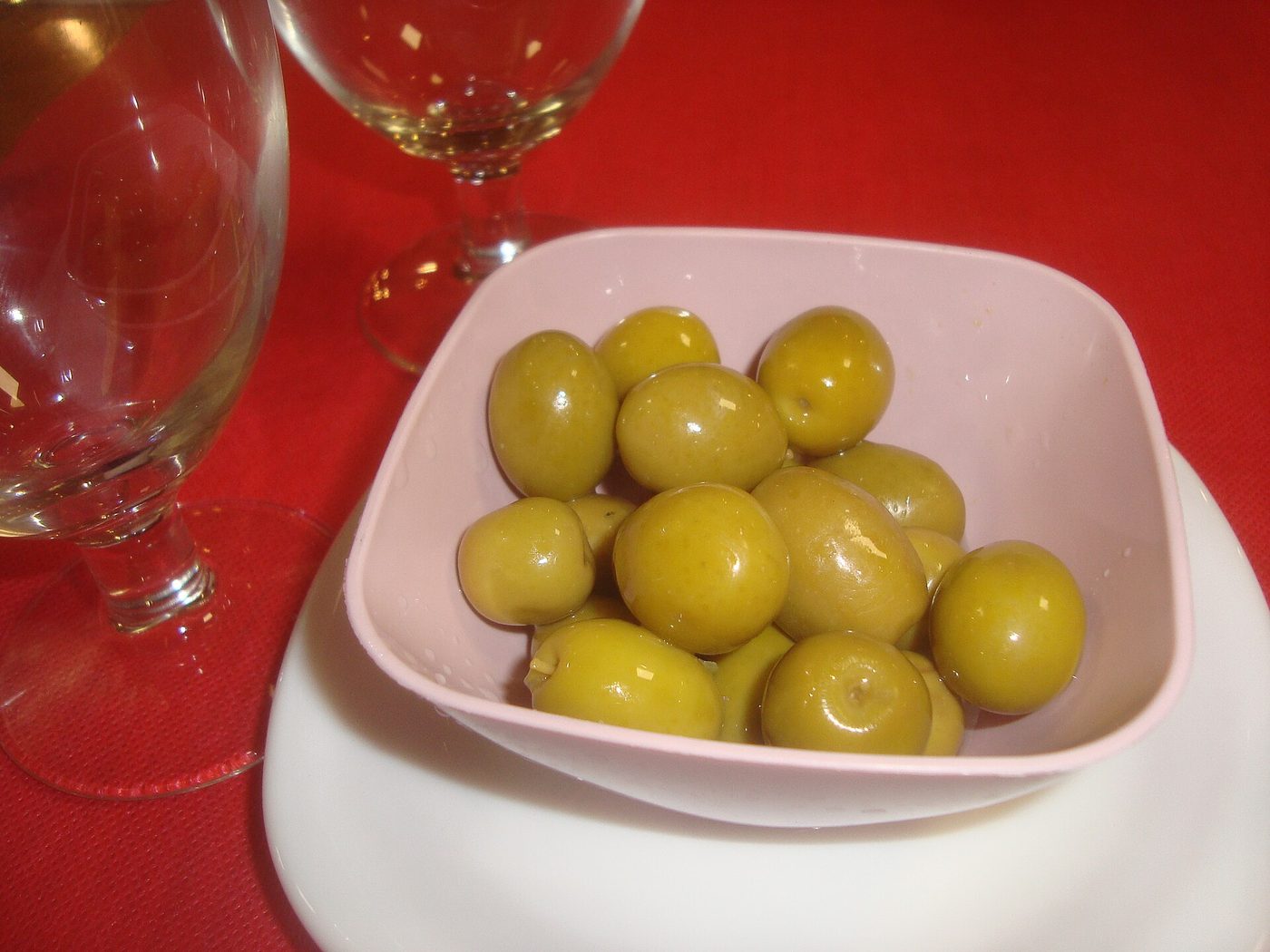
Spain is the largest olive country on earth, and it cooks like it. Olive oil there is not a special-occasion drizzle but the everyday fat everything begins in — frying, stewing, roasting, dressing. Olives, meanwhile, are mostly an eating fruit rather than a cooking one. Understand that division of labour and Spanish cooking suddenly makes sense: the oil does the work in the pan, the olives sit on the table with a drink.
Start with the sofrito
Almost every Spanish stew, rice or bean dish begins the same way: a generous pour of olive oil gently cooking onion, garlic and tomato down into a soft, sweet, jammy base — the sofrito. Do not rush it and do not skimp on the oil. This slow, patient foundation is where the flavour of the finished dish is built, and a thin, hurried sofrito in too little oil is the single most common reason home cooking tastes flat compared with the real thing.
Olives belong on the table
Spanish olives are, overwhelmingly, table olives. A bowl of small green Manzanilla or giant meaty Gordal alongside a drink is the original tapa — the word itself meant the little plate that ‘capped’ your glass. Cracked, herb-cured varieties from the south, marinated with garlic, thyme and a strip of orange peel, are a revelation if you only know bland jarred green olives. This is the pleasure Spaniards take for granted and visitors remember. Explore it through the regions in our guide to Spanish olives.
Finish raw, and use two oils
The other Spanish habit worth stealing is the raw drizzle at the end: good fresh oil poured over grilled bread rubbed with tomato (pan con tomate), over a cold gazpacho, or simply over boiled potatoes. Cooked oil flavours a dish from within; raw oil perfumes it on top, and the two are not interchangeable. The practical trick is to keep two bottles — a robust, affordable everyday oil to cook in, and a fresher, finer one you never heat. That is the whole secret, and it costs almost nothing to adopt.
| Cooking oil | Finishing oil | |
|---|---|---|
| When used | At the start — frying, sofrito, stews | At the end — raw, off the heat |
| What to buy | Robust, affordable, everyday | Fresh, fragrant, single-origin |
| Its job | Carries and builds flavour | Perfumes and lifts the finished plate |
| Waste to avoid | Frying in a delicate, pricey oil | Hiding a fine oil inside a hot pan |
Cook a little more Spanish
- Build a proper sofrito in a real pool of oil — slowly, never rushed.
- Keep two oils: a workhorse to cook with, a good one to finish raw.
- Treat Manzanilla and Gordal as something to eat with a drink, not to cook into a dish.
- Finish simple food — bread, potatoes, cold soup — with a raw drizzle.
Cooking the Spanish way: common questions
What is a sofrito?
A slow-cooked base of onion, garlic and tomato softened in plenty of olive oil. It is the flavour foundation under most Spanish stews, rice and bean dishes.
Do Spaniards cook with olives or just eat them?
Mostly they eat them. Spanish olives such as Manzanilla and Gordal are table olives, served with drinks; the oil, not the fruit, does the cooking.
Why use two different olive oils?
A robust everyday oil is for cooking, where its flavour is transformed by heat; a fresher, finer oil is kept raw to finish dishes, where its aroma can shine.
Can I fry in extra virgin olive oil?
Yes — Spaniards fry in olive oil constantly. Just use a sturdy, affordable one for the pan and save your best, freshest bottle for raw finishing.
What is pan con tomate?
Grilled bread rubbed with ripe tomato and garlic, then finished with a raw pour of good olive oil and a little salt — a perfect showcase for a finishing oil.
The one habit that changes everything is using more oil than feels comfortable, at two stages: a robust everyday oil to cook in, and a good fresh one to finish raw. Spaniards do not ration olive oil; they treat it as the dish, not a seasoning of it. Cook your sofrito in a proper pool of it, finish your plate with a cold-poured drizzle of something fresher, and you will taste the difference immediately — it is the cheapest upgrade in the kitchen.
Drawn from traditional Spanish home-cooking practice and the country’s table-olive culture.