Olive Oil vs Avocado Oil for Cooking
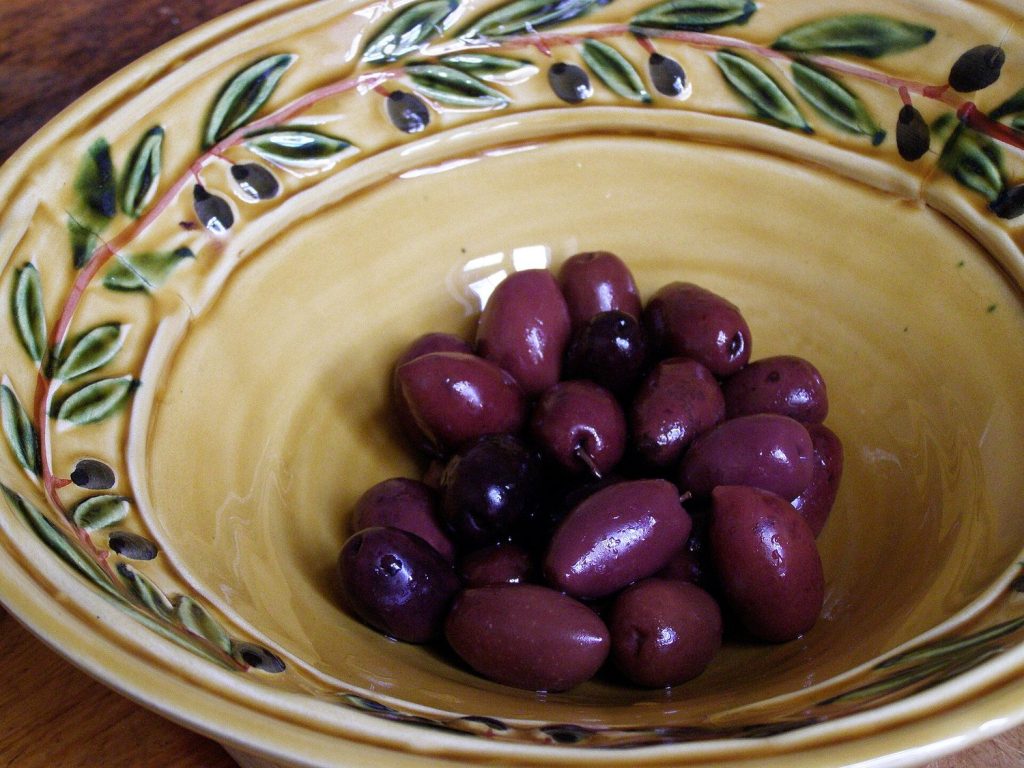
For most home cooking, both oils work beautifully, and neither is a clear winner, so the honest answer is: keep both in the cupboard and reach for whichever suits the dish. Extra virgin olive oil brings a peppery, grassy character and a genuine flavour of its own, which is why it rules Mediterranean kitchens. Avocado oil is milder and tolerates a slightly higher heat before it starts to smoke, which makes it handy for very hot searing or when you want the food, not the oil, to do the talking. The differences are real but modest, and the old worry that olive oil is somehow unfit for cooking simply does not hold up.
Smoke point: the number everyone quotes, and what it really means
The smoke point is the temperature at which an oil begins to break down and give off visible smoke. It gets treated as the deciding factor, but it is only part of the picture. Refined avocado oil sits high, somewhere around 250 to 270 °C depending on the batch and how it was processed. Extra virgin olive oil is lower, roughly 190 to 210 °C, while lighter refined or “pure” olive oil climbs to around 220 to 240 °C.
Here is the part that gets lost in the noise: almost all home cooking happens well below these thresholds. A gentle saute sits around 120 to 150 °C. A brisk pan-fry or roast rarely pushes past 200 °C. Deep-frying is typically held at 170 to 180 °C. So even a modest extra virgin olive oil has ample headroom for the vast majority of what you cook. Smoke point only becomes the deciding factor at the extreme end, such as blistering a steak in a screaming-hot cast-iron pan or high-heat wok work, and that is where refined avocado oil (or a lighter olive oil) earns its place.
Worth knowing too: a growing body of research suggests extra virgin olive oil is surprisingly stable when heated, thanks to its natural antioxidants and its balance of fatty acids, sometimes performing better under sustained heat than the smoke-point number alone would predict. If you want the deeper story on grades and how the oil is made, our olive oil guide walks through it.
Flavour, nutrition and cost, side by side
Flavour is where the two part ways most clearly. Good extra virgin olive oil tastes of something: green, peppery, sometimes with a pleasant catch at the back of the throat that tells you the polyphenols are alive and well. That character is a feature when you are dressing a salad, finishing a soup or dipping bread, and it can be a distraction when you want a neutral base. Avocado oil, especially the refined sort, is soft and buttery to the point of near-neutral, which is exactly why some cooks prefer it for baking or for delicate fish.
Nutritionally the two are close cousins. Both are built largely on heart-friendly monounsaturated fat (mostly oleic acid), and both are a world away from heavily saturated cooking fats. The stand-out difference is that extra virgin olive oil carries polyphenols and other minor compounds that come from pressing the whole fruit without heat or solvents, and these are the subject of much of the research behind the Mediterranean diet. Refining, which most avocado oil undergoes, strips a good deal of that character out in exchange for a higher smoke point. None of this is medical advice, and no single oil makes or breaks a diet, but it is a fair reason many kitchens keep a bottle of unrefined extra virgin olive oil for finishing.
On cost, olive oil usually has the edge for everyday use, because it is produced at enormous scale across the Mediterranean and beyond. Avocado oil tends to run pricier litre-for-litre and its quality is less tightly regulated, so labels can be inconsistent. A quick note on provenance, since it trips people up: an oil described by a variety or style is not the same as a claim about a single country of origin. Olive oil comes from Spain, Italy, Greece, Portugal, Tunisia, Turkey, Morocco, California and plenty of other places; avocado oil is largely produced in Mexico, but also in places like New Zealand, Kenya and South Africa. Read the actual label rather than the marketing.
| Factor | Extra Virgin Olive Oil | Avocado Oil (refined) |
|---|---|---|
| Smoke point (approx.) | ~190–210 °C | ~250–270 °C |
| Flavour | Distinct: grassy, peppery, fruity | Mild, buttery, near-neutral |
| Main fat | Monounsaturated (oleic acid) | Monounsaturated (oleic acid) |
| Polyphenols / antioxidants | High (unrefined) | Lower (mostly refined) |
| Best for | Dressings, finishing, saute, roasting, most frying | Very high-heat searing, neutral-base cooking, baking |
| Typical cost | Lower to mid (wide range) | Mid to higher |
| Label reliability | Well-regulated grades (EVOO, virgin, refined) | Less standardised; quality varies |
So how to choose in the moment? If flavour matters, or you are cooking at everyday temperatures, extra virgin olive oil is the natural pick and often the cheaper one. If you are searing at very high heat, or you specifically want the oil to disappear into the dish, refined avocado oil (or a lighter olive oil) does the job well. Many good cooks simply keep a peppery extra virgin for finishing and a neutral, higher-smoke-point oil for the hottest pans, and never think of it as a contest. For more on choosing and storing a bottle, see our guide to choosing olive oil.
Olive oil vs avocado oil: common questions
Can you cook with extra virgin olive oil, or does it “become toxic” when heated?
Yes, you can cook with it, and no, it does not turn toxic at normal cooking temperatures. That myth comes from misreading the smoke point. Extra virgin olive oil is actually quite heat-stable thanks to its antioxidants, and it comfortably handles sauteing, roasting and most frying. Only extreme, sustained high heat pushes it past its comfort zone.
Is avocado oil healthier than olive oil?
Not meaningfully. Both are dominated by the same heart-friendly monounsaturated fat. Extra virgin olive oil carries more polyphenols and has far more research behind it, largely because of the Mediterranean diet, but neither is a “health food” on its own. This is general information, not medical advice.
Which is better for high-heat searing?
Refined avocado oil, on paper, because of its higher smoke point of roughly 250 °C or more. A lighter refined olive oil also works well. Save your best peppery extra virgin for finishing, where its flavour is not wasted on the heat.
Why is avocado oil often more expensive?
Olive oil is produced at huge scale across many countries, which keeps prices competitive, while avocado oil is a smaller, more variable market. Avocado-oil labelling is also less tightly regulated, so it pays to buy from a brand you trust.