Olive Oil vs Coconut Oil
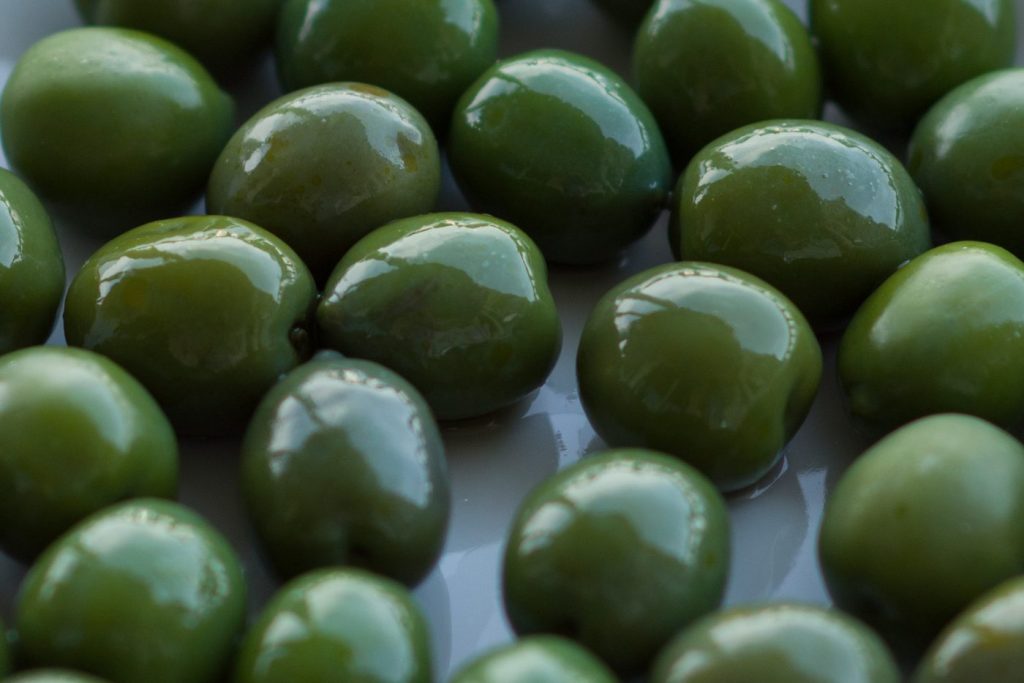
Here is the short answer: for everyday cooking and for heart health, olive oil is the safer all-rounder — it’s built mostly from monounsaturated fat and carries protective plant compounds, and the evidence behind it is deep and consistent. Coconut oil is very high in saturated fat, which tends to nudge cholesterol upward, so it’s best thought of as an occasional flavour ingredient rather than a daily cooking fat. Both have their place in a kitchen, but they are chemically very different animals, and it helps to know why before you reach for either.
The core difference is the fat
Nearly everything that separates these two oils comes down to the kind of fat they’re made of. Extra virgin olive oil is roughly three-quarters monounsaturated fat, mostly oleic acid — the fat repeatedly tied to heart health in Mediterranean-diet research. Only around a seventh of it is saturated. Coconut oil is almost the mirror image: it’s roughly 85–90% saturated fat, one of the most saturated fats you can buy, more so even than butter or lard.
You’ll often hear coconut oil defended on the grounds that its saturated fat is “medium-chain” — largely lauric acid — and therefore metabolised differently. There’s a grain of truth in that, but it’s overstated. Lauric acid behaves more like a longer-chain saturated fat than the marketing suggests, and in practice coconut oil raises LDL (“bad”) cholesterol. It also tends to raise HDL (“good”) cholesterol, which is why the picture isn’t jet-black — but major heart bodies, including the American Heart Association, still advise against using it as your main fat. None of this is medical advice; if you’re managing cholesterol or heart risk, that’s a conversation for your GP or a dietitian.
Olive oil’s other advantage is what refining leaves behind. Good extra virgin olive oil is simply pressed fruit juice, so it keeps its polyphenols, antioxidants and vitamin E — the compounds behind its peppery bite and much of its studied benefit. Virgin coconut oil has its own aromatic compounds, but nothing equivalent to olive oil’s polyphenol load.
| Extra virgin olive oil | Coconut oil | |
|---|---|---|
| Made from | Pressed olive fruit, no heat/solvents | Pressed or extracted coconut flesh (copra) |
| Main fat | Monounsaturated (~70–75%) | Saturated (~85–90%) |
| Effect on cholesterol | Generally favourable | Tends to raise LDL (and HDL) |
| Antioxidants / polyphenols | High | Low |
| State at room temperature | Liquid | Solid below ~24°C, liquid above |
| Flavour | Fruity, grassy, peppery | Sweet, coconutty (virgin); neutral (refined) |
| Approx. smoke point | ~190–207°C | ~177°C (virgin); ~232°C (refined) |
| Best for | Sautéing, roasting, dressings, finishing | Curries, baking, flaky pastry, some frying |
The percentages above are widely-accepted rounded ranges — exact figures shift a little by variety, ripeness and processing, so treat them as ballpark rather than gospel.
How they behave in the kitchen
The most obvious practical difference is that coconut oil is solid at normal room temperature and melts to a clear liquid once it’s warmed past the mid-twenties Celsius. That solidity is genuinely useful for certain jobs: it can give baked goods a firm, short texture, works beautifully in a curry where its sweetness belongs, and its saturated structure makes it slow to go rancid. Olive oil stays pourable and is the natural choice anywhere you want the fat itself to taste of something — dressings, dips, a raw drizzle over soup or grilled fish.
On heat, the two are closer than their reputations suggest, but with a twist. Virgin coconut oil actually has a fairly modest smoke point, while refined coconut oil goes much higher. Olive oil sits comfortably in the middle and, thanks to its monounsaturated fat and antioxidants, is more stable under everyday frying and roasting than the smoke-point number alone implies. For a raw finishing oil, coconut oil’s flavour would fight most Mediterranean dishes, whereas a robust extra virgin oil is the whole point — if you want to taste the difference between oils properly, our guide to tasting olive oil is a good place to start.
Flavour is the deciding factor as often as health is. Coconut oil brings a distinct sweet, tropical note — wonderful in a Thai or South Indian dish, in flapjacks or in some cakes, and jarring in a tomato sauce or a vinaigrette. Refined coconut oil strips most of that aroma out for a neutral fat, at the cost of the virgin oil’s character. Olive oil’s flavour, by contrast, is meant to be noticed, and belongs across the whole savoury Mediterranean repertoire.
So which should you use?
Make olive oil your default and keep coconut oil as a specialist. For the bulk of your cooking — softening onions, roasting vegetables, dressing salads, finishing a dish — extra virgin olive oil gives you better fats, more flavour and the stronger health evidence. Bring out coconut oil deliberately, when its sweetness and solid texture actually earn their place: a coconut curry, tropical baking, a batch of granola. Used that way, as a flavour ingredient rather than your everyday fat, coconut oil is a perfectly reasonable thing to have in the cupboard. Just don’t let the “superfood” halo talk you into pouring it over everything.
Olive oil vs coconut oil — common questions
Is olive oil healthier than coconut oil?
For most people, yes. Olive oil is mostly monounsaturated fat with a favourable cholesterol profile and a large body of supporting research, while coconut oil is very high in saturated fat and tends to raise LDL cholesterol. Health always depends on your whole diet, so treat this as general information, not personal medical advice.
Is coconut oil bad for you?
“Bad” is too strong for an occasional flavour ingredient. The concern is using it as your main cooking fat, because its high saturated-fat content raises LDL cholesterol. Enjoyed now and then in dishes where it belongs, it’s fine for most people; if you’re watching your heart health, keep it modest and speak to a professional.
Can I use coconut oil instead of olive oil?
Sometimes, but mind the flavour and the texture. Coconut oil suits curries, tropical dishes and baking, where its sweetness and solidity help. It won’t work in a vinaigrette or a Mediterranean sauce, where olive oil’s savoury character is the point — and being solid when cold, it can’t be used cold like olive oil.
Which has the higher smoke point?
It depends on the type. Refined coconut oil has the highest smoke point of the bunch, around 232°C. Virgin coconut oil is actually lower than olive oil, around 177°C, while extra virgin olive oil sits near 190–207°C and stays impressively stable in normal home cooking.