Spain Opens Entries for Its National Extra Virgin Prize
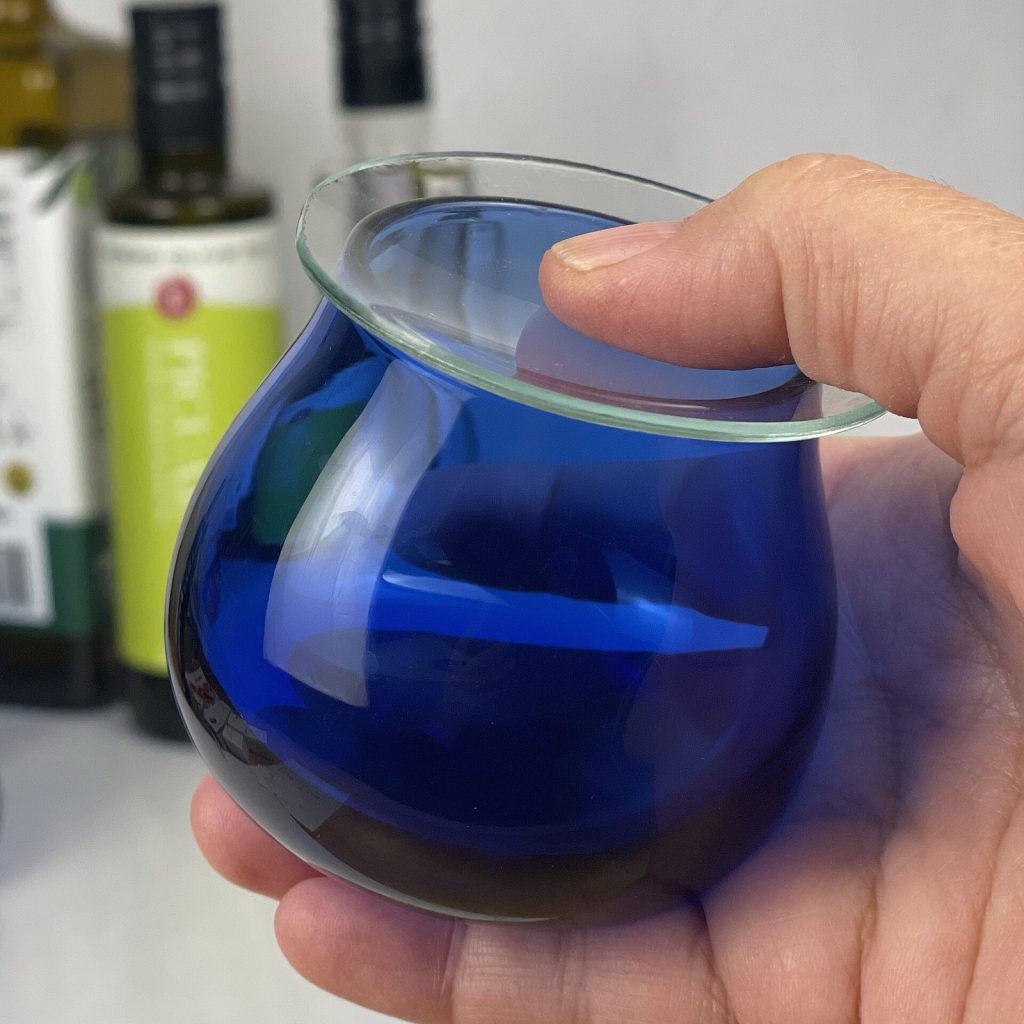
Spain has opened entries for its national prize for the best extra virgin olive oil of the 2008/09 crop, with a closing date of February 6 and a jury verdict due before May 8. The rules are worth reading even if you will never enter one, because they show what a serious oil competition actually measures.
What is on offer
The call was signed on December 16 and published in the official gazette on January 1. It covers the Alimentos de Espana prize for the best extra virgin olive oil of the 2008/09 campaign, run under the rules set out last summer for the country’s national food awards.
Oils compete in four slots. Conventional production is split into three taste groups, green fruity and sweet, green fruity and bitter, and ripe fruity, and organic production forms a category of its own. That split matters more than it looks. It stops a big, peppery early harvest oil from being judged against a gentle late harvest one, which is the most common way competitions end up rewarding a style rather than a quality.
There is also a volume gate. A conventional entry must come from a single homogeneous lot of at least 20,000 liters, which the resolution helpfully converts to 18,320 kilograms. For organic oils the bar is 5,000 liters, about 4,580 kilograms. In other words, you cannot win with one perfect drum. The oil has to exist in commercial quantity, from one tank, all of it the same.
How the judging works
Six samples are taken from every oil entered: four bottles of 500 milliliters and two of 250 milliliters. The small ones go for chemical analysis. Two of the large ones go to the sensory panel, one is held as a security sample, and the entrant keeps the fourth. Organic entrants also have to produce a certificate from their control body proving the oil is what they say it is.
So an entry is tested twice, in the two ways that actually matter. The laboratory establishes that the oil is legally extra virgin. The tasting panel decides whether it is any good. Those are separate questions, and plenty of oils pass the first and fail the second. If you want the plain version of what those grades mean, we set it out in the three grades of olive oil.
Why a state prize is worth watching
Spain runs the largest olive oil industry on earth and has spent years being frustrated that its oil sells as an anonymous commodity while other countries sell the story. Awards are one of the few cheap ways a ministry can push quality up the agenda: they cost little, they give small mills something to aim at, and they produce a short list that buyers can actually use.
- The sample rules mean a winning oil is a real lot, not a show bottle.
- The taste categories reward the character of a style rather than raw pungency.
- The verdict lands in early May, in time to matter for the season’s selling.
It also arrives in a grim winter. Prices paid to growers are low, the crop is short, and the mood in the Andalusian olive country is not celebratory. A gold medal does not fix a price, but in a bad year the mills that can point to one are the mills that keep their customers. There is a long Spanish tradition of oils that win everything going, and it tends to be the same houses year after year, which tells you the difference is method rather than luck.
A medal describes a lot of oil from one tank in one season, not a brand forever. By the time the label carrying that medal reaches a shelf, the oil inside can be from a later, quite different lot, and the award may be years old. Read the harvest date first and the medal second, and treat a competition list as a shopping list of producers rather than a guarantee on the bottle in your hand.
Sources
- Boletin Oficial del Estado, resolution of 16 December 2008 publishing the call for the Alimentos de Espana prize for the best extra virgin olive oil of the 2008/09 campaign (January 1, 2009)
- Boletin Oficial del Estado, Orden ARM/1915/2008 of 25 June, the rules governing the Alimentos de Espana awards