Greek Olive Oil’s Backroad Trade: Buying by the 17-Kilo Tin
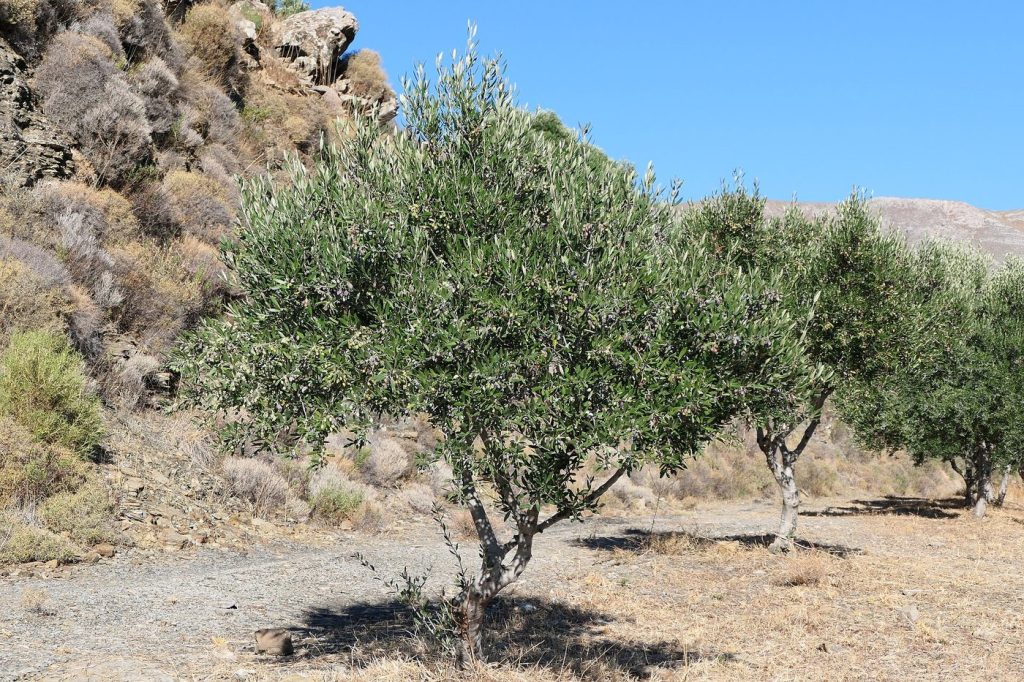
A lot of the Greek olive oil that Greeks actually eat never sees a supermarket: it is sold by the grower, in 17-kilo tins, to friends, neighbors and relatives. A report this week from the Peloponnese shows how that backroad trade works, what it costs, and why it sits so oddly next to a national industry that sells most of its exports in bulk to Italy.
What was reported
Olive Oil Times visited small producers in the Peloponnese for a piece published on Monday, April 23. One couple in a mountain village in Korinthia, who have made their own oil for more than 20 years, sell it in the square aluminum tins found in almost every Greek kitchen. A 17-kilo tin, about 37.5 pounds, costs €65. The biggest single order they remember was 300 liters for one family. Their buyers are friends, friends of friends, neighbors and relatives, with some sales at local produce fairs.
The couple told the reporter that a tin lasts a family up to six months. A producer from the Mani, further south, put it at as little as three. Buying in bulk, they said, is simply cheaper than the supermarket, where a liter can cost up to €12 depending on quality. The Mani grower, whose family trees are more than 300 years old, said wildfires had destroyed some of them and that he now makes about two tons a year, half of what the grove could give. For him the oil is extra income, not a living.
| The numbers | Figure |
|---|---|
| Standard family tin | 17 kilos, €65 from the grower |
| Rough price per liter from the tin | About €3.50 (our calculation) |
| Supermarket liter, top of the range | Up to €12 |
| How long a tin lasts a family | Three to six months |
| Share of Greek olive oil exports sold in bulk to Italy | About 60 percent (McKinsey study) |
Why it matters
The tin trade is a good deal for the family that buys it and a decent one for the grower, but it keeps a lot of Greece’s best oil out of the market economy altogether. The industry side of the story is much less cosy. A McKinsey study on Greece’s economic recovery, reported at the end of March, noted that about 60 percent of exported Greek olive oil goes to Italy in bulk, at around €2.1 a kilo, and comes back onto world shelves as Italian bottled oil at around €3.1. Greece, in the study’s words, does not capture its fair share.
A second piece this week, from Kalamata, listed the sector’s structural problems: small mills with outdated equipment, small bottlers with little marketing muscle, fragmented holdings, high costs from small groves and low labor productivity, and shrinking farm subsidies. The European Commission’s agriculture department is expected to publish a study on the olive oil sector soon, as the starting point for a debate on how to fix it.
What it means for buyers
- Grower oil can be excellent, and it can be tired. It depends on when the olives were picked, how fast they were milled and how the tin is kept.
- A big tin needs looking after. Every time you open it, air gets in. The Mani grower’s own advice was to decant the oil into shaded glass bottles at home.
- Greek oil is often in your bottle without the word Greece on it. Bulk oil sold to Italian packers usually ends up labeled with the packer’s name, not the grove’s.
The tin is the best-value way to buy olive oil and the easiest way to ruin it. Decant a few liters at a time into small dark bottles, press the lid back on the tin, and keep it somewhere cool, not beside the stove. A tin that is opened every day for six months in a warm kitchen will taste noticeably flatter at the end than it did at the start.
Our basic advice on keeping oil is in How to Store Olive Oil (So It Doesn’t Go Stale). For an earlier look at the pressure on Greek growers, see Greece’s olive oil producers face a bitter harvest, and for home curing in the Greek manner, Curing Your Own Olives, Greek Style.
Sources
- Olive Oil Times: Greece’s Backroad Bulk Olive Oil Trade
- Olive Oil Times: Greek Olive Oil Mills on the Road to Perdition
- Olive Oil Times: Olive Oil Could Help Greece Restart its Economy