UC Davis Olive Center Brings Olive Oil Tasting to the Mall
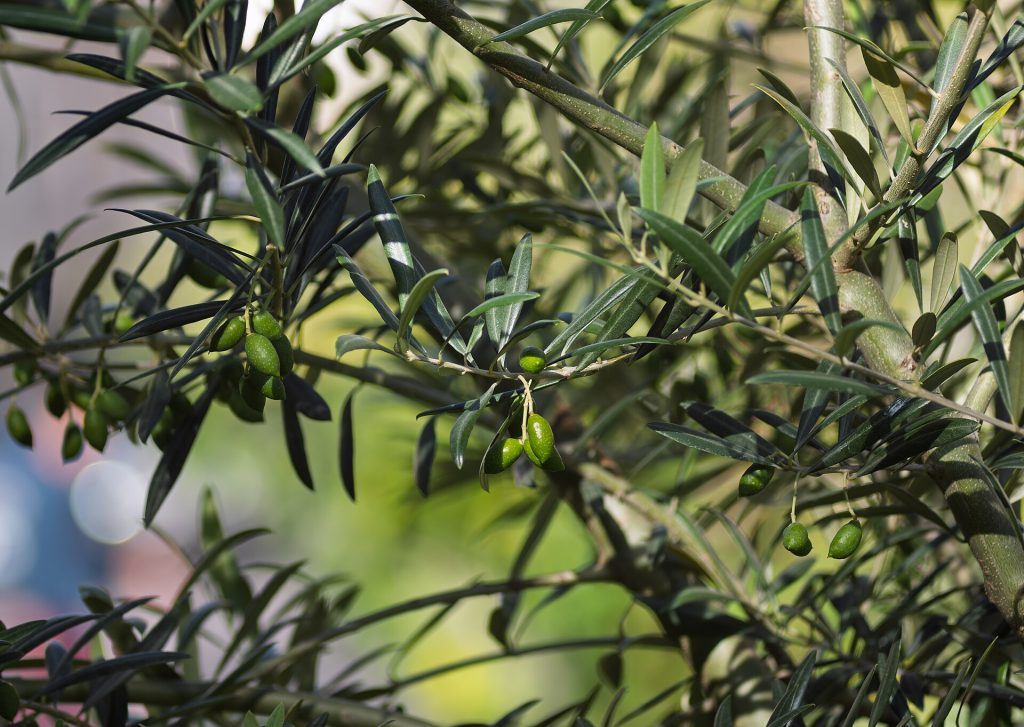
The UC Davis Olive Center is on the National Mall this week, teaching visitors to the Smithsonian Folklife Festival how to tell fresh olive oil from tired oil. It is there because of a very ordinary problem: olives falling on campus bike paths. Here is how a slippery nuisance became a university olive oil program, and what the center is telling the public in Washington.
What is happening
This year’s Smithsonian Folklife Festival runs on the Mall in two parts, June 27 to July 1 and July 4 to 8. One of its programs, Campus and Community, marks 150 years since 1862, the year that created both the land-grant universities and the U.S. Department of Agriculture. The University of California, Davis, a land-grant school, is showing two projects under the heading of sustainable solutions: a campaign against disposable plastic bags, and its olives.
According to the festival, visitors to the UC Davis area are learning about variations in olive oil quality, the vocabulary of tasting, and what extra virgin really means. The center’s executive director, Dan Flynn, has been walking people through how olive oil is made and what separates good oil from defective oil, letting them smell a familiar supermarket oil next to a fresh one, and telling them to look for a harvest date on the label.
From hazard to harvest
The Davis campus has more than two thousand olive trees. For years their fruit dropped onto busy bike paths, where it made a slippery, smelly mess. In 2004 alone, olive-related accidents cost the campus about $60,000 in legal costs and liability claims. In 2005 the grounds department decided it was cheaper to pick the olives and press them than to keep sweeping them up. The first oil sold out within days.
| Year | Milestone |
|---|---|
| 2004 | Olive-related accidents cost the campus about $60,000 |
| 2005 | First campus olive harvest; the oil sells out within days |
| 2008 | UC Davis Olive Center launched at the Robert Mondavi Institute |
| 2012 | The center brings olive oil tasting to the Folklife Festival |
That campus oil grew into the Olive Center, launched in 2008 within the university’s Robert Mondavi Institute for Wine and Food Science. It works with academics, farmers and industry on research and education, and campaigns for stronger state and federal quality standards. Its reports on imported supermarket oils sold as extra virgin, many of which failed the grade in its tests, have made it well known far beyond California.
Why it matters
- It puts quality in front of the public. Most shoppers have never smelled fresh olive oil next to stale oil. A few minutes at a tasting table does more than a leaflet.
- It shows a university doing practical work. The olives began as a maintenance cost and became a product, a research program and a teaching tool.
- It carries a simple message. Olive oil is a fresh product, so the harvest date matters more than the look of the bottle.
The single most useful thing a tasting table teaches is that bitterness and a peppery catch in the throat are signs of fresh, healthy oil, not faults. The Smithsonian curator who visited Davis earlier this year noticed exactly that kick at the back of the throat. Many shoppers have been taught by bland supermarket oil to think olive oil should taste of almost nothing.
For the center’s wider influence, see How a University Changed American Olive Oil and CIA-UC Davis World Olive Oil Conference. Davis is not the only campus pressing its own trees: Caltech presses on with annual olive harvest.