A Harvester Built for Spain’s Traditional Olive Groves
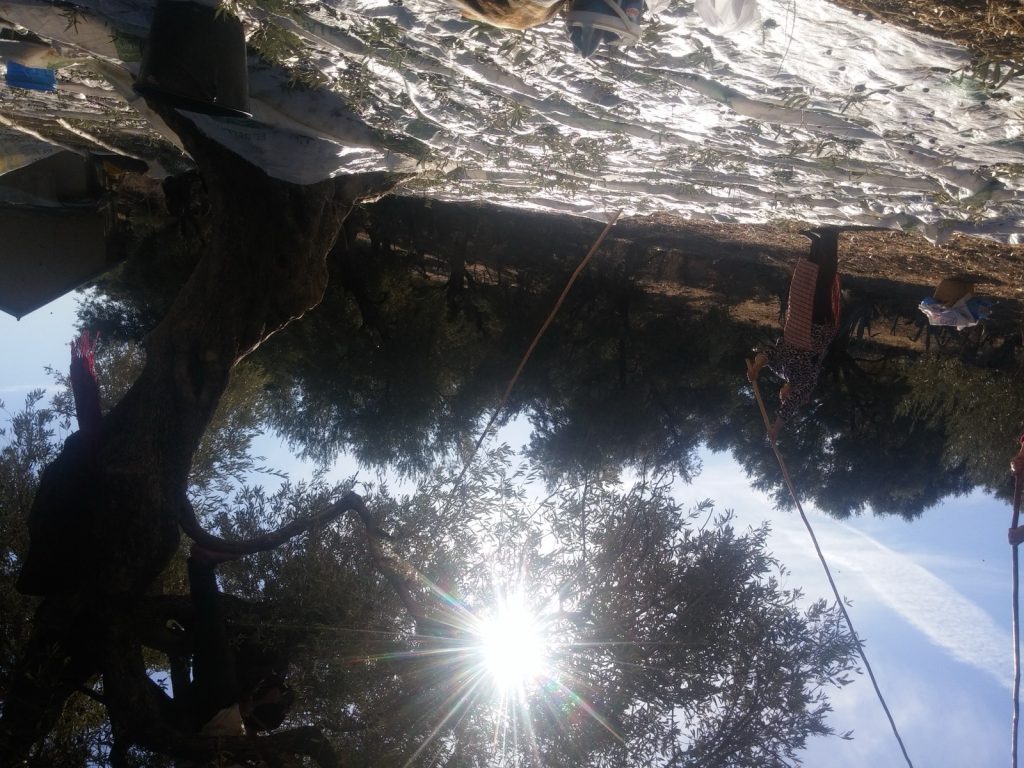
Researchers at the University of Córdoba have built a prototype harvester for Spain’s traditional olive groves, the old, wide-spaced, multi-trunk groves that big machines have never been able to handle. It shakes the branches rather than the trunk and catches the fruit as it falls. Here is how it works, what the trials show so far, and why it matters more to Andalusia than any new plantation.
What was announced
The project is led by Professor Jesús Gil Ribes of the university’s rural engineering department and funded by Spain’s olive oil interprofessional body, the Interprofesional del Aceite de Oliva Español. The team started from a canopy shaker built for harvesting oranges in Florida and adapted it into a towed machine that shakes the olives down, catches them, cleans and weighs them and sends them into a hopper.
The key part is a drum of rods that moves slowly but with a wide swing, working directly on the fruiting branches. A conventional trunk shaker has to send its vibration all the way up a thick, often divided trunk, which is exactly what old Andalusian trees make difficult. Presenting the prototype in April, Professor Gil Ribes said trials showed the system could catch up to 90 percent of the olives it knocked off. In comments published this week, he put overall harvesting efficiency at 85 percent in limited trials, against a practical maximum for olives of about 93 percent.
The interprofessional says it does not yet know what the machine would cost and hopes to have a product on the market within two years. The prototype can cope with a slight slope.
Why traditional groves need it
The figures Professor Gil Ribes gives are a good map of Spanish olive growing. Intensive and super-intensive plantations, the modern groves built for machines, make up about 20 percent and have no harvesting problem. Another 20 percent or so is traditional grove on slopes too steep for any machine. The remaining 60 percent is productive traditional grove on land a machine can reach, and most of it is still harvested in two separate steps: shaking the trees, then gathering the fruit off nets or the ground.
| Type of Spanish grove | Approximate share | Harvesting situation |
|---|---|---|
| Intensive and super-intensive | 20 percent | Already mechanized |
| Traditional, steep slopes | 20 percent | Cannot be mechanized |
| Traditional, workable land | 60 percent | Shaking and gathering done separately, with crews |
Harvesting is the biggest single cost in those groves, and with farm-gate prices below the cost of production this season, it is the cost growers most need to cut. Replanting as a hedge is not an option for most of them: it is expensive, and most traditional groves have no water for irrigation. The interprofessional’s director, Teresa Pérez, called the high cost of harvest a major weakness of the traditional sector.
What to watch
- Pruning will have to change. The drum only knocks down fruit it reaches, so trees must be pruned to stop them fruiting deep inside the canopy.
- Price decides everything. A machine that small growers cannot afford, or that cooperatives cannot share, will not save anyone.
- Data is a bonus. Weighing olives tree by tree would let growers map their yields, something almost no traditional grove has ever had.
Harvesting method shows up in the bottle. Fruit that sits on the ground or in sacks waiting for a crew goes to the mill bruised and warm, and that is where a lot of ordinary oil comes from. Anything that gets olives off the tree and into the mill faster and cleaner is a quality story as much as a cost story, even if nobody will ever print it on a label.
For how the harvest works today, see How Olives Are Harvested and Olive harvest season in Spain. The price problem behind all of this is covered in Spain Sells a Record, Yet Olive Oil Prices Stay Below Cost.
Sources
- Olive Oil Times: A New Harvester for Traditional Olive Groves
- Esencia de Olivo: Avances en la mecanización del olivar tradicional (in Spanish)