Olive Theft: Guardia Civil Recovers 8 Tons of Fruit in Córdoba
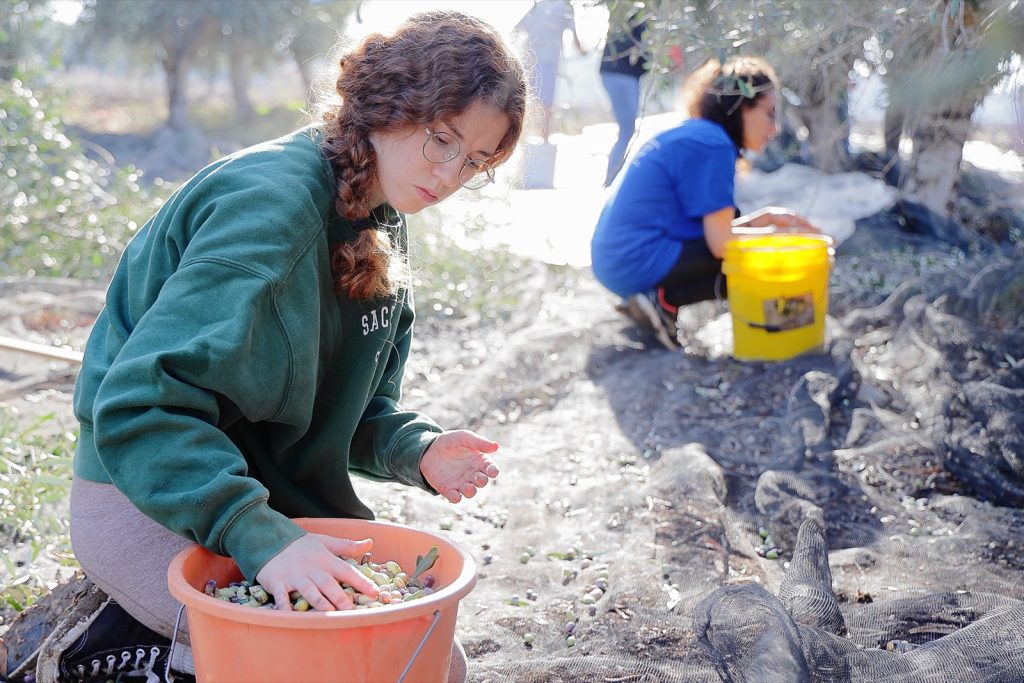
Spain’s Guardia Civil says it has charged 34 people and recovered more than eight tons of stolen olives in two weeks of operations in Córdoba province, bringing the fruit recovered so far this harvest to more than 17,300 kilos. The thefts took place in groves around Puente Genil, Espejo, Aguilar de la Frontera, Cabra and Montoro. Here is what the police reported, how olive theft works, and why it keeps happening every winter.
What was reported
According to a Guardia Civil statement reported by Óleo Revista today, the operations are part of a plan against olive theft that the force runs every harvest in the province, alongside its general plan against thefts from farms. The 34 people were charged in separate cases as the alleged authors of olive thefts from estates near the five towns. The largest operations took place on January 21 and February 3, on the A-318 road between Estepa and Guadix, on the A-304 between Aguilar de la Frontera and Puente Genil, and in the municipal areas of Puente Genil, Montalbán, Espejo and Montoro.
The olives had been picked by crews working on land that was not theirs. Since the harvest began, the Guardia Civil says, it has arrested seven people in the province and filed complaints against 89 for stealing olives from the field.
| Córdoba olive theft, 2011/12 harvest | Figure |
|---|---|
| People charged in the latest operations | 34 |
| Olives recovered in the latest operations | More than 8 tons |
| Olives recovered this harvest | More than 17,300 kilos |
| Arrests this harvest | 7 |
| People reported for theft this harvest | 89 |
Not only olives
Theft does not stop at the grove. Last month the Alcalá Oliva mill at Alcalá la Real, in Jaén province, reported that thieves had drained about 20,000 liters of oil from one of its tanks in the early hours of a Monday morning. Night-shift workers noticed hoses running out of a tank that holds 200,000 kilos of oil and called the Guardia Civil. The thieves had left the tap open, and the mill said that if the workers had not spotted it, the whole tank could have spilled into the surrounding grove.
The law has also changed. In September 2010 the government’s delegate in Córdoba announced that, under a reform of the criminal code taking effect that December, a person caught three times committing a minor theft such as stealing olives would face a criminal offense rather than a misdemeanor. Until then, thefts worth less than 400 euros counted only as minor offenses and, as the farm unions put it, often went unpunished. The same plan promised to pursue buyers who purchase stolen fruit and resell it as their own.
- Theft peaks during the harvest, when crews, ladders, nets and trucks in the groves attract no attention.
- Once fruit is tipped into a mill hopper with everyone else’s, it cannot be traced.
- The weak point is the buyer: stolen olives are worth nothing unless a mill or trader accepts them.
Why it keeps happening
Olive theft is as old as the olive trade, and it tends to rise with the price of fruit and the number of people out of work. We described how the black market works in our report on arrests in the Antequera area. A crew with a truck can strip a grove in a few hours, and a smallholder who lives in town may not find out until he goes to pick his own trees. For how the harvest itself is organized, see how olives are harvested and our note on the Spanish harvest season.
The mills are the key to stopping olive theft, and some are less curious than they should be. A mill that asks every seller for proof of which grove the fruit came from, and records it, makes stolen olives almost worthless. One that pays cash with no questions at the gate keeps the whole trade alive. Growers know which is which.
Sources
- Óleo Revista, “La Guardia Civil recupera en dos semanas más de ocho toneladas de aceituna robada e imputa a 34 personas” (February 6, 2012)
- Óleo Revista, “Roban unos 20.000 litros de aceite en una almazara de Jaén” (January 12, 2012)
- Óleo Revista, “Una reforma del código penal permitirá tipificar como delito tres hurtos en el campo” (September 17, 2010)