Jaén Opens an ‘Active’ Olive Oil Museum at Geolit
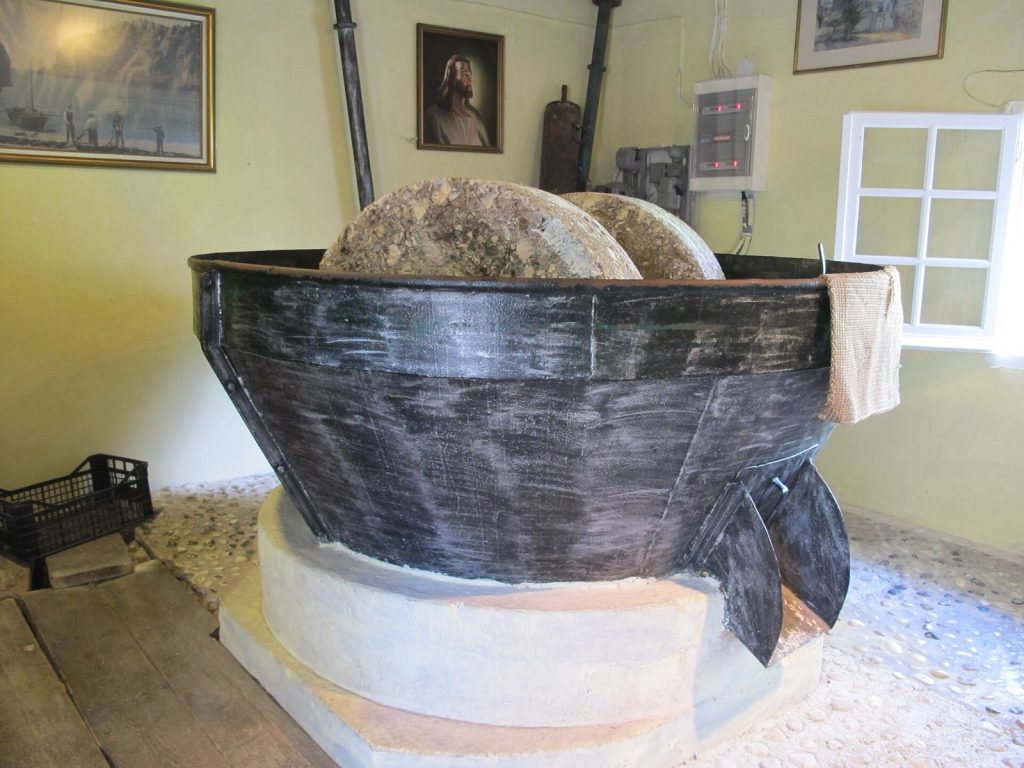
Jaén, the Spanish province with more olive trees than any other, has opened a museum of olive oil at the Geolit science and technology park in Mengíbar, built with about 7 million euros from the Andalusian government and the provincial council. It calls itself the Active Museum of Olive Oil and Sustainability, and it aims to be a starting point for olive tourism across the province. Here is what is inside, who paid for it, and why a museum in the middle of a working industry is a good idea.
What opened
The museum opened its doors last Friday, January 27, at a ceremony led by two members of the Andalusian government, the presidency councillor Mar Moreno and the agriculture councillor Clara Aguilera, together with the president of the Jaén provincial council, Francisco Reyes. Olive Oil Times, in a report by the Spanish trade magazine Mercacei published today, gives the details of the building and its money.
Reyes said the center would be a reference point for knowledge about the olive grove and olive oil, showing everything “from the thousand-year-old culture around the olive tree to the latest scientific advances”. It is meant to be the hub for tourist routes through what he called a unique landscape of more than 60 million olive trees, and part of a new tourism strategy the provincial council presented at the Fitur travel fair in Madrid last month.
| The museum | As reported |
|---|---|
| Location | Geolit science and technology park, Mengíbar (Jaén) |
| Total investment | 7.1 million euros (Mercacei); more than 7.3 million (provincial council) |
| Of which building works | 4.6 million euros |
| Of which museum activities | 2.4 million euros |
| Building size | 11,222 square meters |
| Gastronomy center | 3,445 square meters on three floors |
What is inside
According to Mercacei, the museum has permanent and temporary exhibition areas and a 3D projection room, and at its core is an Olive Oil and Mediterranean Diet Gastronomy Center spread over three floors. The building itself is designed with bioclimatic features, efficient water management and eco-friendly materials, which explains the word “sustainability” in the name. Most of the money came from the regional government and the provincial council, with the national agriculture ministry taking part in the last phase.
The location is deliberate. Geolit already houses the Citoliva foundation, which works on olive oil technology, a renewable energy research center and a plant health laboratory. Reyes presented the museum as one more of those tools, this time for tourism, rather than a building full of old presses.
- The museum covers the culture of both olive oil and table olives.
- It is meant to explain modern milling, oil types and quality, not only history.
- It is the planned starting point for olive routes across the province.
Why it matters
Olive oil museums around the Mediterranean usually preserve the past: a stone mill on Lesvos, as we described in A Museum for the Olive Tree, or the old mill near Kavala in northern Greece. Our piece on why olive oil is the stuff of museums makes the case for them. Jaén has taken a different route and put its museum next to the labs and the industry. For a province much of whose oil is sold anonymously in bulk, teaching visitors what good oil tastes like, and where it comes from, is not a bad investment. Our older piece on Andalusia’s olive road gives a taste of the landscape the museum wants people to visit.
Much of the oil made in Jaén leaves the province in tanker trucks and ends up in someone else’s bottle, often under someone else’s name. Every visitor who tastes a fresh Picual at the source and learns to recognize it is a small blow against that anonymity. If you go, skip the souvenir shop and buy a bottle from a named local mill with a harvest date on it.
Sources
- Olive Oil Times (Mercacei), “Olive Oil Museum Opens in Jaén” (February 1, 2012)
- Óleo Revista, “El Museo Activo del Aceite de Oliva aportará investigación, innovación y desarrollo a los sectores agroalimentario y turístico” (January 27, 2012)