Olive Oil: The Stuff of Museums (and Why)
It can seem faintly absurd — museums devoted to olive oil, in Spain, Italy, Greece and the Levant. But olive oil isn’t really a condiment with a long history. It is a foundation of Mediterranean civilisation that happens, now, to live in your kitchen.
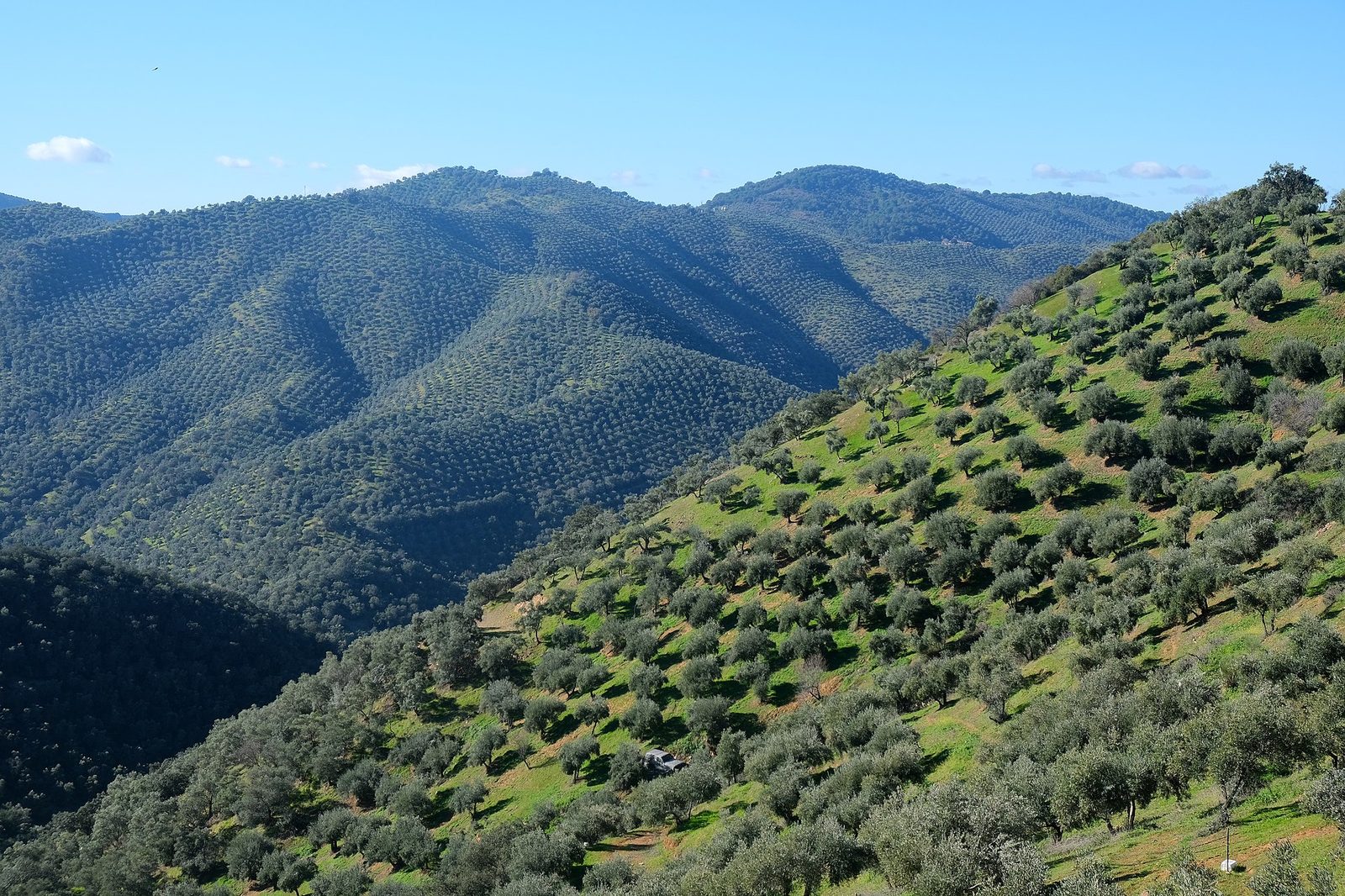
Why would anyone build a museum for a fruit juice you pour on salad? Because for most of recorded history, olive oil was not a garnish — it was infrastructure. It lit the lamps, anointed the kings, oiled the athletes, dressed the wounds and greased the wheels of whole economies. A museum of olive oil is really a museum of the Mediterranean world, told through one extraordinary tree.
What the museums hold
Step inside one — in Andalusia, Tuscany, Greece or the Levant — and you meet the hardware of an ancient craft: massive stone mills and presses, the great amphorae that carried oil across empires, the clay lamps it once fuelled, and the everyday tools of pressing and storing. To stand among them is to grasp how central this one fruit was. Oil was food, light, medicine, cosmetic, soap and sacrament all at once — the currency and the engine of the classical world.
Oil as money, medicine and the sacred
These were not metaphors. Oil was wealth: amphorae of it were traded like bullion, taxes were paid in it, fortunes made shipping it. It was medicine and cosmetic, rubbed into skin and hair and wounds. And it was holy — the root of the word ‘Christ’ (and ‘messiah’) means ‘the anointed one’, anointed with oil; lamps of olive oil burned in temples for centuries. A museum case of lamps and ritual vessels is showing you the spiritual life of an entire region, powered by a pressed fruit.
A living museum
Here is what makes olive oil unlike almost any other museum subject: it is still alive. Some of the trees in working groves were already ancient when those stone presses were new. The method on display — crush the fruit, separate the oil — is, at heart, exactly how good oil is still made today. The exhibits are not relics of a dead craft; they are the childhood photographs of the bottle in your cupboard.
| Role of olive oil | In the ancient world | Today |
|---|---|---|
| Food | A dietary staple and cooking fat | Kitchen oil and finishing flavour |
| Light | Fuel for household and temple lamps | Replaced by electricity |
| Cosmetic / medicine | Skin, hair, wounds, athletics | Soaps and cosmetics; folk uses |
| Ritual | Anointing kings, priests, the dead | Retained in some religious rites |
| Wealth | Traded in amphorae like currency | A global commodity market |
The point you can taste
- Olive oil was infrastructure — food, light, medicine, money and sacrament — not a mere condiment.
- The museums hold presses, amphorae and lamps: the working tools of that world.
- The craft is still alive — today’s method is the ancient one, mechanised.
- Pouring good oil on bread connects you directly to the classical Mediterranean.
Olive oil museums: common questions
Why are there museums dedicated to olive oil?
Because for thousands of years olive oil was far more than food — it was light, medicine, cosmetic, ritual anointing and traded wealth. A museum of oil is really a museum of Mediterranean civilisation.
What do olive oil museums contain?
Ancient stone mills and presses, the amphorae used to ship oil, the lamps it fuelled, and the everyday tools of pressing and storage — the working hardware of an age-old craft.
Where can you find them?
All around the Mediterranean — in Spain (especially Andalusia), Italy, Greece and the Levant — often attached to historic mills or in olive-growing regions.
Was olive oil really used for more than food?
Yes — it lit lamps, anointed kings and priests, dressed skin and wounds, made soap, and was traded as wealth. Food was only one of its many roles.
Is the ancient method still used?
In essence, yes. Modern mills crush the fruit and separate the oil just as ancient ones did, only with stainless steel and centrifuges instead of stone and matting.
Here’s why the history is more than a rainy-day outing. Almost nothing else on a modern table connects you so directly to the ancient world. When you pour a little good oil over warm bread, you are doing exactly what a Greek, a Roman or a Phoenician did — the same fruit, pressed essentially the same way, for the same simple pleasure. The museums just make visible what the bottle already contains : a few thousand years of human history, food, light and ritual, in what looks like a humble fruit juice. Visit one if you can. You’ll never pour olive oil quite so carelessly again.
Drawn from the history of Mediterranean olive culture and the collections of olive-oil museums around the region.