Pakistan Maps Out Olive Country in Punjab
Pakistan has drawn up a plan for olive growing in Punjab and Azad Kashmir, naming nine districts as suitable and pointing to the country’s edible oil import bill as the reason. The shortlist is Sialkot, Narowal, Gujrat, Jhelum, Rawalpindi, Islamabad, Attock, Chakwal and Khushab. Here is what the plan says, why this version is better argued than earlier ones, and what usually goes wrong.
What is being proposed
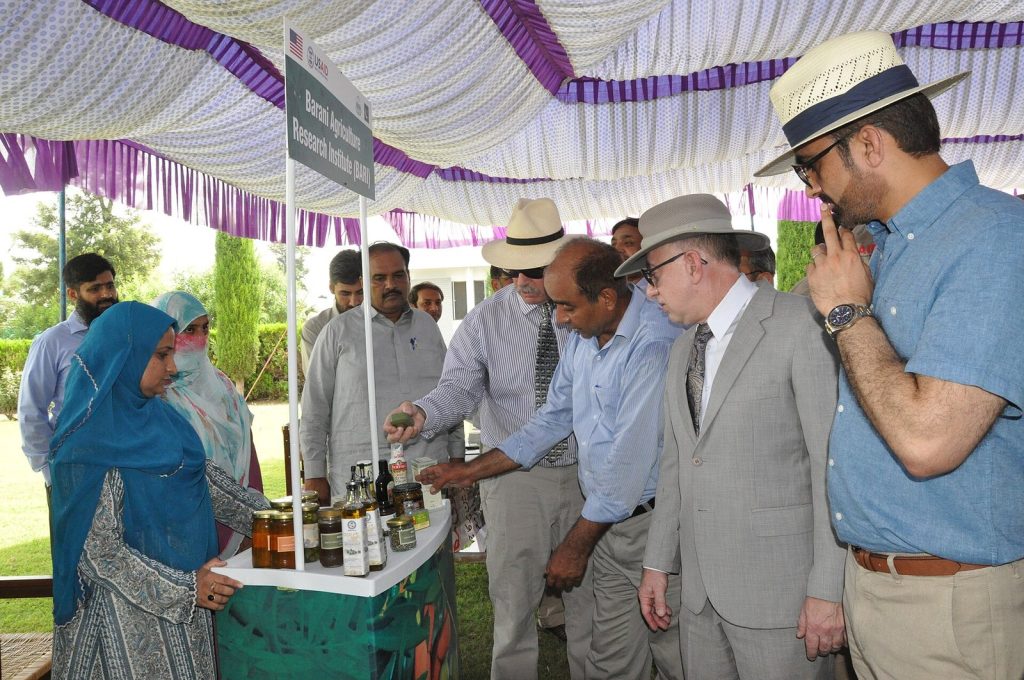
The choice of districts rests on research by the Barani Agricultural Research Institute at Chakwal, which looked at temperature range, soil type, average rainfall and other growth factors and concluded that conditions in those areas match what olives need. Barani means rain-fed, and that is the point: this is dryland farming country.
Two elements make the plan more practical than the usual announcement. First, it proposes using marginal land, so farmers do not have to give up an existing crop to try olives. Second, it includes extension work: the agriculture wing of SMEDA in Punjab is running awareness and training programs on cultivation technique and on making value-added products. Officials also mention grafting onto existing wild olive stands, which is far quicker than starting from nursery trees.
The ambition attached to it is import substitution. Pakistan spends heavily on imported edible oil, and the case being made is that domestic olive production could reduce that bill.
The part that gets skipped
Trees are the easy half. Every plan I have read from South Asia in the last decade has been strong on planting and vague on what happens after the fruit is picked, and that is where olive projects fail.
- Mills. Olives must be milled within hours. A region with trees and no mill produces poor oil or no oil at all.
- Varieties. The variety has to match the local heat, chill hours and rainfall, not just the country.
- Buyers. Someone has to buy the oil at a price that repays the years of waiting.
- Time. An olive tree planted this winter is a business in seven or eight years, not next season.
Grafting onto wild olives is the one shortcut that genuinely works, because the root system is already established and adapted. Where those stands exist, it can bring fruit years earlier than new planting.
Pakistan has been here before
This is not a new ambition. The government has announced olive programs repeatedly since the middle of the last decade, including another push only weeks ago, and our archive records both Italian interest in investing and the honest assessment that the country is on a long road to olive farming.
What would make this attempt different is unglamorous: a working mill in each cluster of districts, trained pickers, and somebody buying the oil at a fair price in year one, when volumes are tiny and no supermarket cares. Those three things, not the number of trees planted, are what to watch for over the next few seasons.
Planting figures are the vanity metric of this industry. Any agriculture ministry can report millions of trees in the ground; almost none report how many are still alive in year five, or how much oil the mills actually produced. When a new olive region asks for your attention, ask for milled tons, not planted hectares.
Sources
- Business Recorder (APP): Plan to promote olive cultivation in Punjab, 4 December 2011 (archived copy)
- Olive Oil Times: Pakistan Promotes Olive Cultivation in Punjab, 6 December 2011 (archived copy)