India’s Punjab Plans to Grow Olives, Starting With 10 Hectares
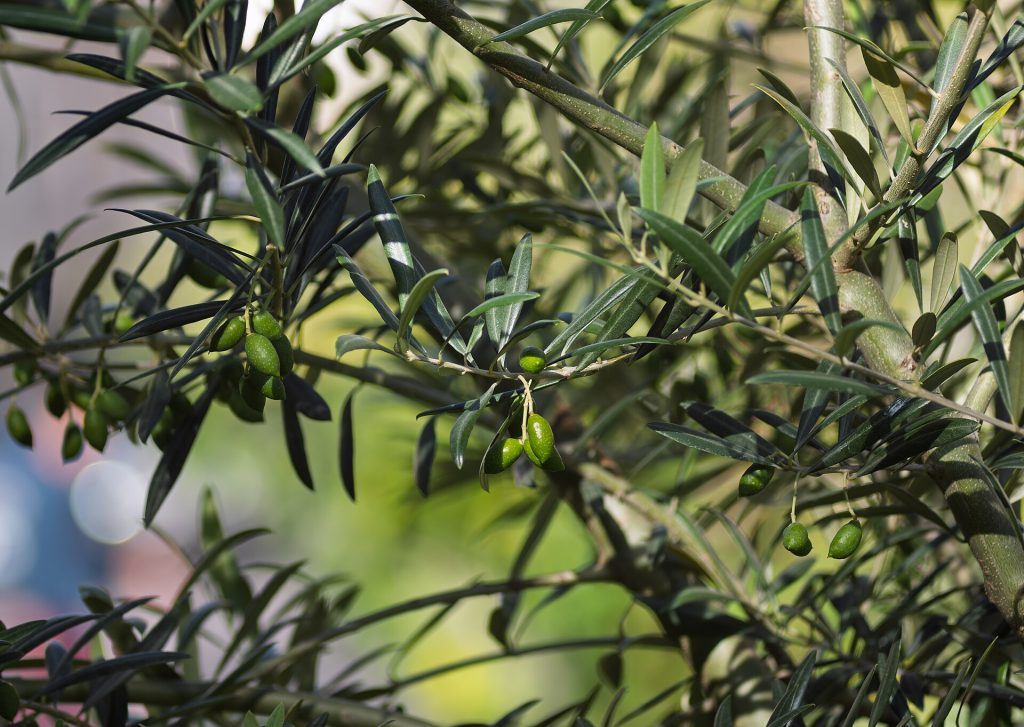
The Indian state of Punjab, the country’s wheat and rice bowl, has decided to try growing olives, starting with a 10-hectare pilot run with Punjab Agricultural University and a promise of subsidies for farmers who plant. India imports almost all of its olive oil, and Punjab wants its farmers to have something other than wheat and rice to grow. Here is what was decided, where the idea comes from, and why an olive plan needs patience more than subsidies.
What was decided
Chief Minister Parkash Singh Badal took the decision at a meeting with senior agriculture officials in Chandigarh on September 18, The Tribune reported. He asked officials to test the feasibility of olives on a 10-hectare pilot plot with the active involvement of Punjab Agricultural University in Ludhiana, and told the state’s Financial Commissioner (Development) to draft a policy offering subsidies to farmers interested in the crop. Olive Oil Times, which picked up the story this week, names that official as G.S. Sandhu.
The case being made is money and diversification. According to The Tribune, farmers could earn up to Rs 2 lakh (200,000 rupees) a hectare a year from olives, against an average of about Rs 60,000 from conventional crops, and experts say the climate of northern India suits high-yielding varieties. “At present, almost 100 percent of olive oil is imported,” Sandhu said, as quoted by Olive Oil Times, arguing that home-grown oil would save foreign exchange.
| Punjab olive plan | Detail |
|---|---|
| Decision | September 18, Chief Minister Parkash Singh Badal |
| First step | 10-hectare pilot with Punjab Agricultural University, Ludhiana |
| Support | Subsidy policy for interested farmers, still to be drafted |
| Claimed income | Up to Rs 2 lakh per hectare a year, against about Rs 60,000 from conventional crops |
| Model | Rajasthan’s olive program, running since 2008 |
The Rajasthan example
Punjab is following its desert neighbor. Rajasthan began planting olives in 2008 with Israeli know-how, a project this site followed from the start (India’s olive experiment take off in Rajasthan this week and A million olive trees to make Indian desert bloom for farmers). Surinder Singh Shekhawat, deputy director of Rajasthan’s agricultural competitiveness project, told Olive Oil Times that if a desert state like Rajasthan can grow olives, “Punjab will reap bigger benefits,” and that the promise of olives is attracting olive oil companies eager to tap India’s growing demand for healthy cooking oil.
That demand is real. India’s olive oil market is small but has grown quickly on the back of health messages, and international brands have been arriving for years. For Punjab, the bigger driver may be at home: its farms have long been urged to move away from the wheat and rice rotation that dominates the state.
What to watch
- The pilot is 10 hectares. The income figures are projections, not results from Punjab soil.
- Olives need a cool spell in winter to flower well and prefer dry weather at flowering and harvest, so varieties and timing matter far more than subsidies.
- Trees take several years to crop properly. Farmers will need support long enough to reach the first real harvest, and a mill within reach when they do.
New olive regions are almost always sold on the income of a mature grove in a good year. The years that decide whether farmers stay in are the first four or five, when the trees cost money and earn little, and the first bad season. A pilot plot that reports honestly on yields, oil content and pests is worth more than any subsidy scheme launched before the data exists.
Sources
- The Tribune (Chandigarh): State to promote olive cultivation, September 19, 2012
- Olive Oil Times: Indian State of Punjab Gears up for Olive Cultivation