West Bank Olive Harvest Opens With 870 Trees Cut or Burned
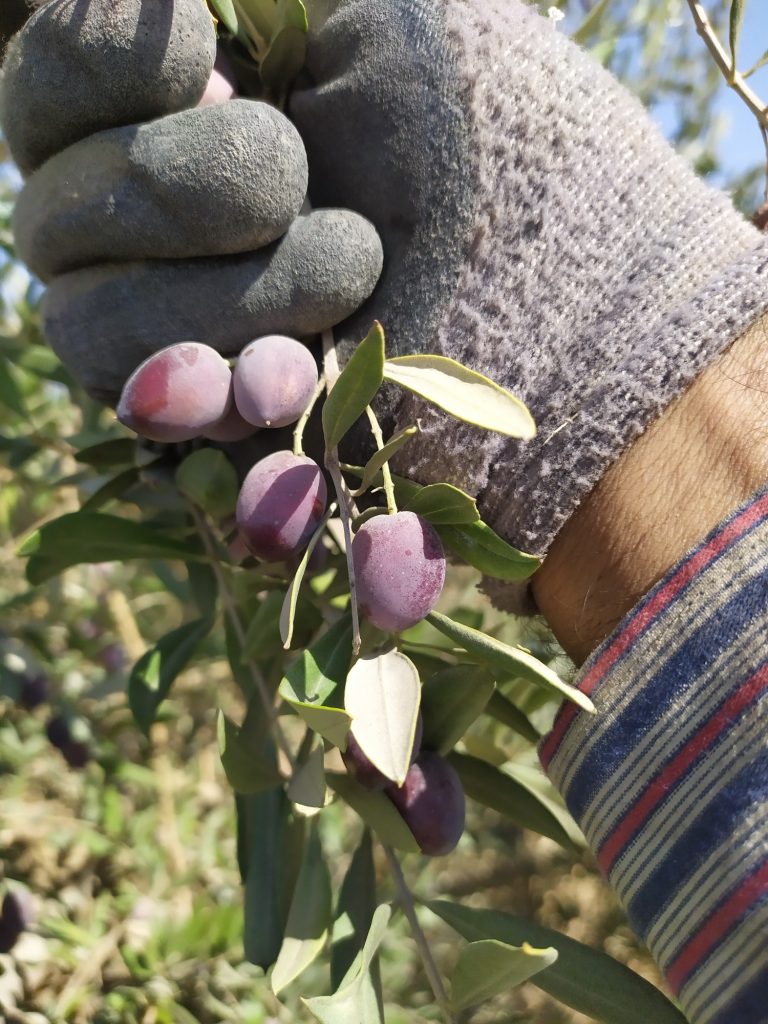
The Palestinian olive harvest opened in the first week of October with a sharp rise in attacks on trees: the UN’s humanitarian office counted more than 870 olive trees cut down or set on fire by Israeli settlers across the West Bank in the week of October 3 to 9 alone. Farmers in several villages also reported freshly picked olives stolen. Here is what the UN recorded, why the harvest matters so much to Palestinian families, and what it means for the oil.
What happened
The UN Office for the Coordination of Humanitarian Affairs (OCHA) says in its weekly protection report, published this week, that the start of the annual harvest “was marked by a significant surge in Israeli settler attacks against Palestinian-owned olive trees.” The damaged trees were near settlements and belonged to farmers from ten villages in six governorates.
| Village (governorate) | Trees cut or burned, Oct 3 to 9 |
|---|---|
| Al Mughayyir (Ramallah) | About 250 |
| Al Khader (Bethlehem) | 170 |
| Far’ata (Qalqiliya) | 130 |
| Qaryut (Nablus) | 120 |
| Zeita (Tulkarm) | 100 |
| Mikhamas (Jerusalem) | 50 |
| Ras Karkar, Beitillu (Ramallah); Kafr Laqif, ‘Azzun (Qalqiliya) | 23, 20, 10 and 5 |
OCHA also reports that farmers from Deir al ‘Asal at Tahta in Hebron, Jinsafut and Kafr Qaddum in Qalqiliya and Burin in Nablus said settlers stole olives they had just harvested, along with some tools, and that one settler and one Palestinian were hurt in clashes that began while Palestinians were working their land in Mikhmas. The previous week’s report had already recorded around 60 olive trees belonging to Burin cut down on September 25, near Bracha settlement.
The bigger picture
Across 2012 so far, OCHA has recorded 7,180 trees vandalized by settlers, fewer than the 8,854 recorded in the same period of 2011. The UN office says the “inadequate enforcement of the rule of law against violent settlers remains of concern,” and cites the Israeli rights group Yesh Din, which reported last year that only one of 127 complaints about attacks on Palestinian trees it had monitored since 2005 had led to an indictment.
The olive harvest is one of the few moments in the Palestinian year that almost every family shares. Groves are often small and old, the oil is used at home and sold for cash, and the weeks of picking are social as much as economic. The pressure on it is not new: we reported the same pattern at the start of the 2009 season (West Bank Olive Harvest Opens Under Pressure) and last October (Palestinian ‘olive trees uprooted’ in West Bank).
What it means for the oil
- An olive tree cut to the stump often survives and sprouts again, but it can take years to bear a full crop, so the loss runs for several seasons.
- When farmers can reach groves only on certain days, they pick when they can rather than when the fruit is ready, and olives that wait too long for the mill make poorer oil.
- Fair trade and cooperative brands, which have worked to get Palestinian oil onto foreign shelves (Palestinian olive oil could soon be the 1st oil to receive Fairtrade status), depend on those same small growers.
With olive oil, timing is quality. The same grove can give fine extra virgin or a tired, defective oil depending on how many days pass between picking and pressing, and a disrupted harvest stretches that gap. When Palestinian oil disappoints, the cause is often not the trees or the mill but the calendar the farmer was forced to work to.