West Bank Olive Harvest Opens Under Pressure
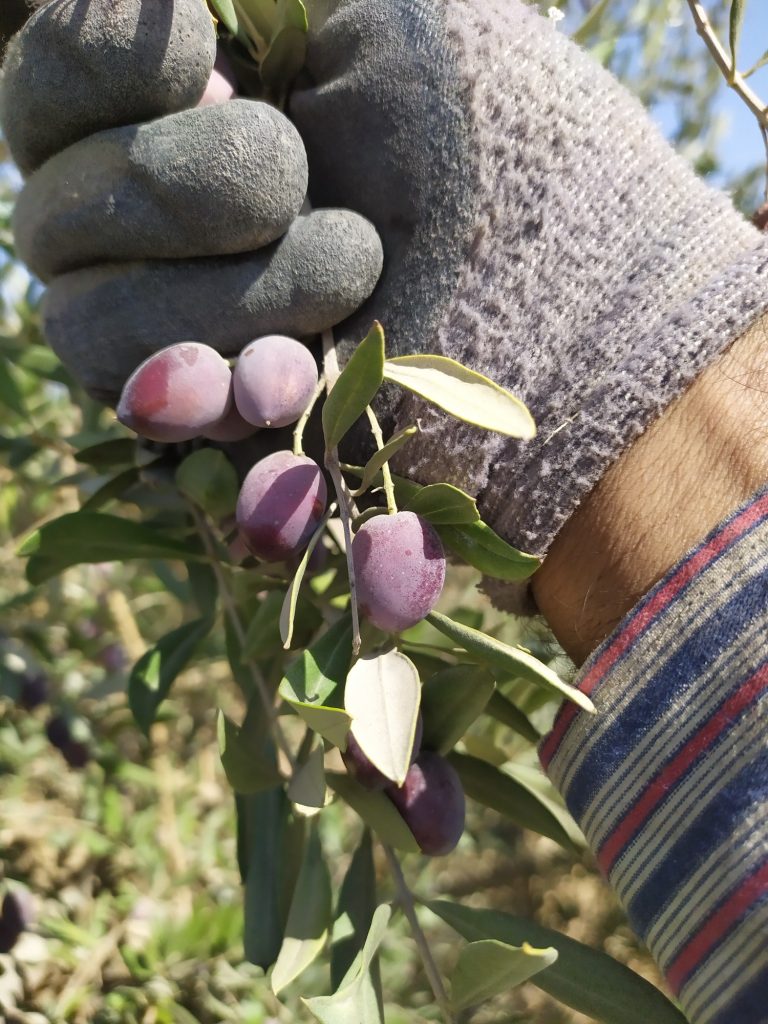
The olive harvest in the West Bank officially opened on October 11, and the UN’s humanitarian office reports that its first days brought 13 settler-related incidents affecting Palestinians in a single week, almost twice the weekly average for this year, most of them in and around the olive groves. This note sums up what the UN recorded, the protection measures announced before the season, and why access to the trees matters as much as the size of the crop.
What happened
The figures come from the weekly protection-of-civilians report of the UN Office for the Coordination of Humanitarian Affairs (OCHA), covering October 7 to 13 and published on October 15. It counted 13 settler-related incidents affecting Palestinians, the same number as the week before and close to double the 2009 weekly average of seven. No casualties were reported in those incidents. OCHA also recorded three incidents affecting Israeli settlers, which left two Israelis injured, including a woman who suffered a severe head injury when her car was stoned near the village of Sinjil.
In the groves themselves, the report describes settlers picking olives that belonged to Palestinian farmers, uprooting or damaging trees, and harassing pickers on their way home. The most serious case was in Kafr Qaddum, near Qalqiliya, where settlers from the Mitzpe Ami outpost burned 250 olive trees after the army and police evacuated the outpost. According to Israeli media cited by OCHA, police arrested 13 settlers who refused to leave the area.
The trouble started before the official opening. In its report for September 30 to October 6, OCHA had already logged settlers setting fire to land belonging to Qaryut village near Nablus, damaging 70 olive trees, and cutting down 50 trees belonging to Deir Ammar near Ramallah.
The protection measures
Ahead of the season, the Israeli authorities announced several steps, again according to Israeli media quoted in the report:
- mapping likely points of friction and closing specific areas to settlers;
- six-month expulsion orders from the West Bank for two settlers;
- a special Border Police battalion for sensitive areas, reported so far around the Havat Gil’ad outpost of the Yitzhar settlement near Nablus;
- set days on which farmers could pick under army and police protection.
OCHA’s point is that these measures did not stop the attacks in the first week.
Access is the real harvest problem
Groves close to settlements can only be reached through “prior coordination” between the farmers and the Palestinian and Israeli liaison offices. In the week covered, farmers from Al Lubban ash Sharqiya, Sabastiya, An Naqura and ‘Azmut near Nablus, from Kafr Qaddum, and from Yasuf near Salfit were turned away from groves next to four settlements because that coordination was missing. Near Ramallah, farmers from Al Mughayyir, Turmus’ayya and Sinjil were told that picking in groves near the Adei Ad outpost was postponed until October 26, after incidents of stone throwing and shooting at settlers’ vehicles in which four settlers were injured.
For a family that depends on a few dozen trees, a postponement of two weeks is not a detail. Olives do not wait: fruit left on the branch keeps ripening, some of it drops, and what finally reaches the press makes a different oil from the one that would have been made on time.
What it means for the oil
Olives are among the most widespread crops in West Bank villages, and the autumn pressing season matters to a great many rural families. We have followed the numbers before, when Palestinian presses produced 34,002 tons of olive oil in 2006, and when Palestinian olive oil moved toward Fairtrade status. Some of that oil now reaches foreign shelves through cooperatives and fair-trade buyers that promise traceability back to the village.
Those buyers will be watching this season closely. Harvest disruption shows up first in volume, then in quality, and it lands hardest on the smallest growers, who have the least room to wait.
For small growers anywhere, the calendar is half the quality. An oil pressed from fruit picked in a rush on the one permitted day, or gathered late off the ground, will rarely taste like the same trees picked when the grower chose. If you buy Palestinian oil through a cooperative, ask for the harvest and pressing dates, not just the village name. Good cooperatives have them.