Jaén’s Olive Oil Museum at Geolit Nears Completion
Building work on the Museo Activo del Aceite de Oliva, the olive oil museum at the Geolit technology park in Mengíbar, Jaén, will be finished within about two months, the provincial agriculture delegate Roque Lara said this week, with 4.6 million euros spent on the building and close to 2.9 million more on the displays. This note covers what the museum will hold, why Jaén is building it now, and what a museum can and cannot do for a struggling olive sector.
What is being built
Lara told the Spanish news agency Europa Press that the construction will wrap up in a couple of months and that the museum plan itself is already settled. The building has three floors. The plans include an area on gastronomy and Mediterranean food, a promotion area with tasting rooms, auditoriums for screenings, several exhibition spaces, a large interactive documentation center about olive oil and the olive grove, and laboratories.
There will also be sections on the sustainability of the olive grove, covering biomass, the use of olive stones and what to do with pruning waste, so visitors get a sense of the environmental side of the crop. Add a bar, offices and outdoor terraces planted with different olive varieties. The aim, Lara said, is to have the whole thing finished next year.
Why at Geolit, and why now
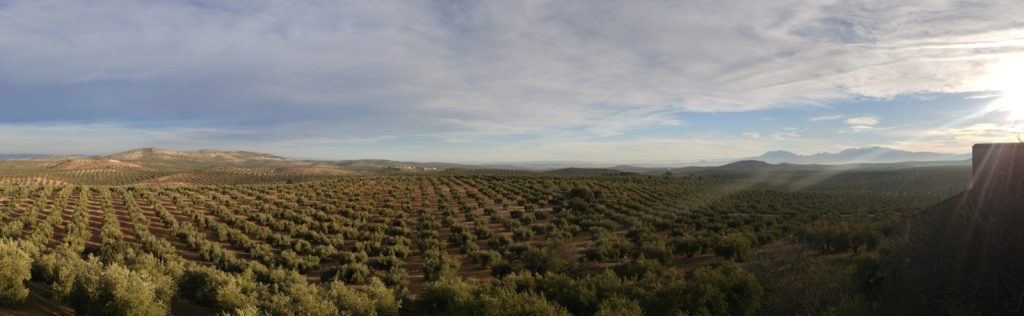
Mengíbar sits in the middle of the largest olive oil producing province on earth, and Geolit is Jaén’s attempt to build something other than bulk oil out of that fact. The park already hosts olive-centered bodies, among them a research center for olive oil and health that is meant to coordinate Andalusian work on the subject, and it has pushed the case for olive biomass as an energy source for the province.
The timing is not accidental either. This is the second season in a row in which growers are being paid less than it costs them to produce, and every institution in the province is looking for ways to add value to the same liter of oil. Tourism and education are cheap next to the price of oil itself: a museum, a tasting room and a coach park cost a fraction of what it would take to lift the price at origin by a few cents.
| Museo Activo del Aceite de Oliva | Detail |
|---|---|
| Location | Geolit science and technology park, Mengíbar, Jaén |
| Building cost | 4.6 million euros |
| Displays and equipment | About 2.9 million euros |
| Size | Three floors, plus terraces with olive varieties |
| Expected completion | Building in about two months, the rest during next year |
What it means for visitors
- Jaén has been short of places where an ordinary visitor can learn about oil; this is meant to fix that.
- Tasting rooms and laboratories suggest a working museum rather than a display of old presses.
- Anyone planning a trip should wait for an opening date before building a route around it.
Olive museums are a genre of their own, as we noted when looking at why the olive ends up in museums. The good ones send you home able to taste the difference between a fresh oil and a tired one; the rest are a room of stone wheels. For the ground this one sits on, see our tour of Andalusia’s olive road and the sheer scale of Spain’s olive plantings.
Every olive region eventually builds a museum, and the reason is rarely education. It is that the region has more oil than it can sell at a decent price and needs to put a story around it. That is not cynicism: the story is often true and worth telling. But if you visit one, judge it by whether the tasting is honest, including whether they will pour you a defective oil and name the defect. The ones that will are the ones worth the ticket.