Jaen Is Building a Museum for Olive Oil
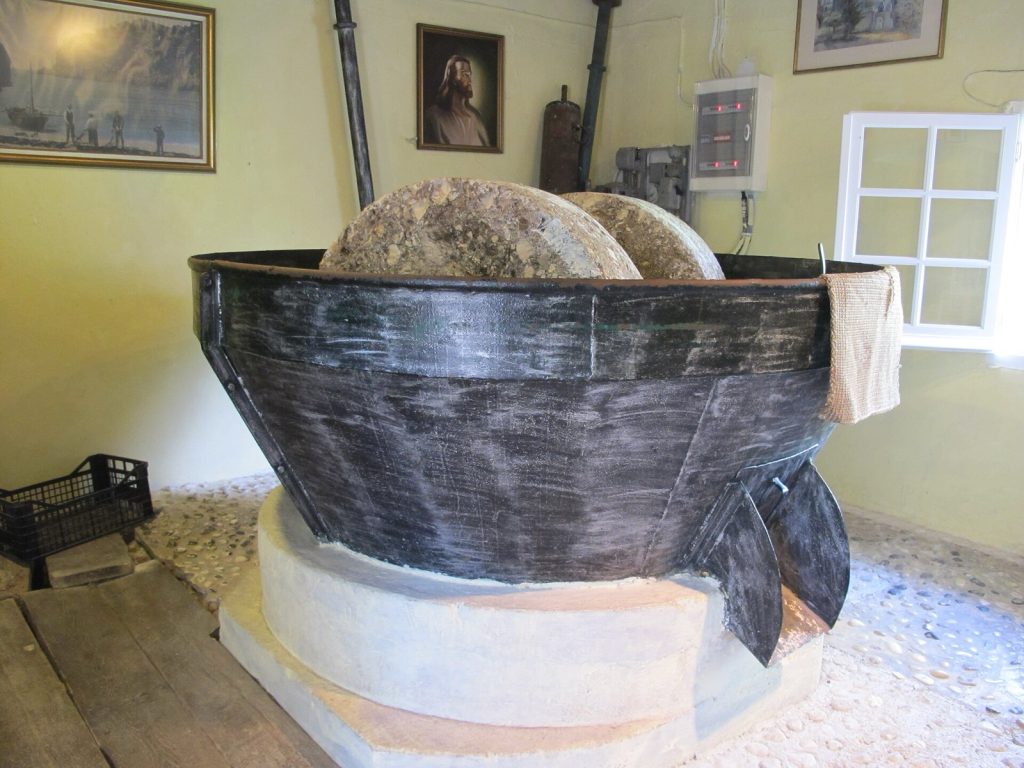
Jaen is spending 4.6 million euros on a museum of olive oil and sustainability at the Geolit science park in Mengibar, due to be finished by the end of the year. A grower might reasonably ask what a museum does for a price of 1.80 euros a kilo. The answer is not nothing, but it is slower than anyone wants.
What is being built
The Museo Activo del Aceite de Oliva y la Sostenibilidad is going up inside Geolit, the technology park dedicated to olive oil at Mengibar in the province of Jaen. The Andalusian farm department and the provincial council are splitting the 4.6 million euro cost between them, and the building is expected to be complete by the end of 2009.
The scale is not modest. Three floors, more than 3,500 square meters built, on a plot of 11,222 square meters, with outdoor and half covered spaces, bioclimatic design and sustainable materials. The University of Jaen is advising on the content, which will be split into themed areas and will include a gastronomy center. The stated audience is the general public, schools, tourists and companies, and the stated purpose is to spread the culture of the olive and its oil, including outside Spain.
The announcement came with a second piece of news. The Andalusian farm councillor, Clara Aguilera, has been named president of the board of the Foundation for the Development of the Olive Grove and Olive Oil, the body whose remit is promoting the crop and pushing innovation and competitiveness through the sector.
Why here
Geolit is not a random site. The park was set up as the science and technology hub for olive oil, and in 2006 the central and regional governments signed an agreement to build its main project, a technology complex for advanced services with 10.8 million euros behind it, offering research, development and technology transfer to companies in the sector. The same week brought the presentation of the Campina de Jaen denomination of origin, covering oil from 64 cooperatives across 51 municipalities.
Put those pieces together and the strategy is visible: laboratories, a denomination, a foundation, and now a public building to explain the whole thing to visitors. Jaen produces more olive oil than most countries and is still, to most of the people who buy it, an anonymous source of bulk. That is the gap all of this is meant to close, and it is the same gap we described walking Andalusia’s olive road.
Does a museum sell oil
Honestly, not directly. What it does is more indirect, and the olive world has some evidence for it.
- Visitors who taste oil properly once tend to buy better oil afterward, and to pay more for it.
- A public building gives a region a place to take buyers, journalists and school groups, which is cheap marketing with a long tail.
- Oil tourism keeps money in villages that otherwise export their young people along with their oil.
The risk is equally clear. A museum built by public bodies in a boom can become a building nobody funds in a slump, and this one is opening into the worst price year growers can remember. The measure of whether it works will be whether mills, cooperatives and the denominations use it as a shop window, or whether it becomes a smart empty building with a gift shop. Other regions have tried the same thing with mixed results, including the museums built around the tree itself.
If you ever get the chance to taste at a place like this, take the bitter, peppery oil you instinctively dislike and try it on food rather than from a spoon. Panels score those attributes as positives because they come from fresh, healthy fruit picked early, and on a bean stew or a piece of bread they turn into flavor rather than sting. Most people who say they prefer mild oil have only ever tasted old oil.