Vegetable Fats and Prostate Cancer: What the New Study Says
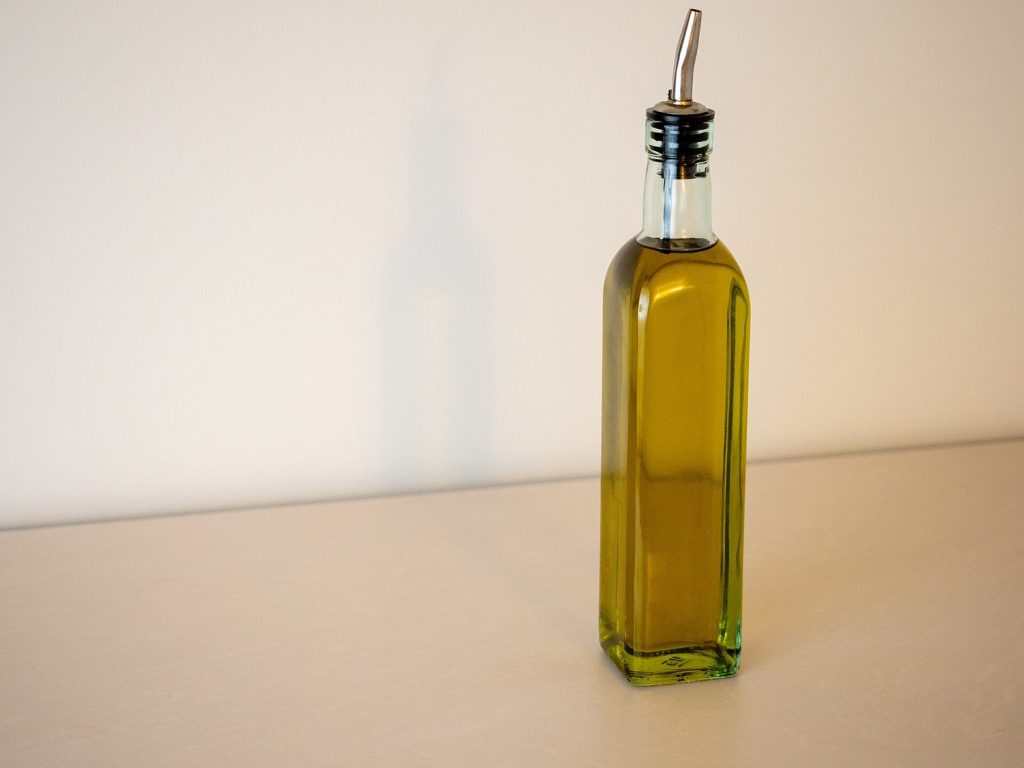
Men with prostate cancer who replaced some of the starch in their diet with vegetable fats, olive oil and nuts among them, had a lower risk of dying from the disease and of dying from any cause, according to a study published this week in JAMA Internal Medicine. It is an observational study, not a trial, and the researchers are careful about what it proves. Here is what they found and how to read it.
What the study looked at
The team, led by Erin Richman at the University of California, San Francisco, followed 4,577 American men who had been diagnosed with prostate cancer that had not spread. The men are part of the Health Professionals Follow-up Study, which has tracked the diets and health of thousands of men since 1986. The researchers looked at what the men ate after their diagnosis and at what happened over a median of about eight and a half years, during which there were 315 lethal prostate cancers and 1,064 deaths from all causes.
What it found
| Change in diet after diagnosis | Lethal prostate cancer | Death from any cause |
|---|---|---|
| 10 percent of calories moved from carbohydrate to vegetable fat | 29 percent lower risk | 26 percent lower risk |
| One tablespoon a day of oil-based salad dressing | 29 percent lower risk | 13 percent lower risk |
| One ounce a day of nuts | 18 percent lower risk | 11 percent lower risk |
The vegetable fats in question are the ordinary ones: olive oil, canola oil, nuts, seeds and avocados. Animal fat and trans fat pointed the other way, with higher rates of death among the men who ate the most of them.
Richman’s explanation is cautious. Eating healthy oils and nuts raises antioxidants in the blood and lowers insulin and inflammation, she said, which may slow the disease. Her practical conclusion was modest too: men with prostate cancer should be advised to follow a heart-healthy diet in which calories from carbohydrate are replaced with unsaturated oils and nuts, to lower the risk of dying from any cause.
How much weight to put on it
- This is observational. The men chose what to eat, and the researchers watched what happened. It shows an association, not proof of cause, however carefully the numbers were adjusted for age, treatment, weight, smoking, exercise and other illnesses.
- The comparison is a swap, not an addition. The benefit showed up when vegetable fat replaced carbohydrate, not when oil was poured on top of the same diet.
- The all-cause result is the sturdier half. Most of the men who died did not die of prostate cancer, and a diet that is good for the heart helps there.
- Nothing here says olive oil treats cancer. It says a diet built on unsaturated fats looks better than one built on starch and animal fat.
This is general information, not medical advice. Anyone living with prostate cancer should talk to their own doctor or a dietitian before changing what they eat, and should not stop or alter treatment on the strength of a diet study.
Expect this study to appear in olive oil marketing within the month, shortened to something like “olive oil fights prostate cancer”. Notice what the researchers actually measured: a tablespoon of oil-based dressing a day, in place of starch, over years. That is a habit, not a product, and it would work with a decent supermarket extra virgin as well as with anything expensive. If a bottle is being sold to you on the strength of a cancer headline, the seller is banking on you not reading the study.
Sources
- University of California, San Francisco: Men With Prostate Cancer Should Eat Healthy Vegetable Fats (June 10, 2013)
- ScienceDaily: Men with prostate cancer should eat healthy vegetable fats, study suggests (June 10, 2013)
- Richman and others: Fat intake after diagnosis and risk of lethal prostate cancer and all-cause mortality, JAMA Internal Medicine (2013)