A Gene, a Stroke Risk, and the Mediterranean Diet
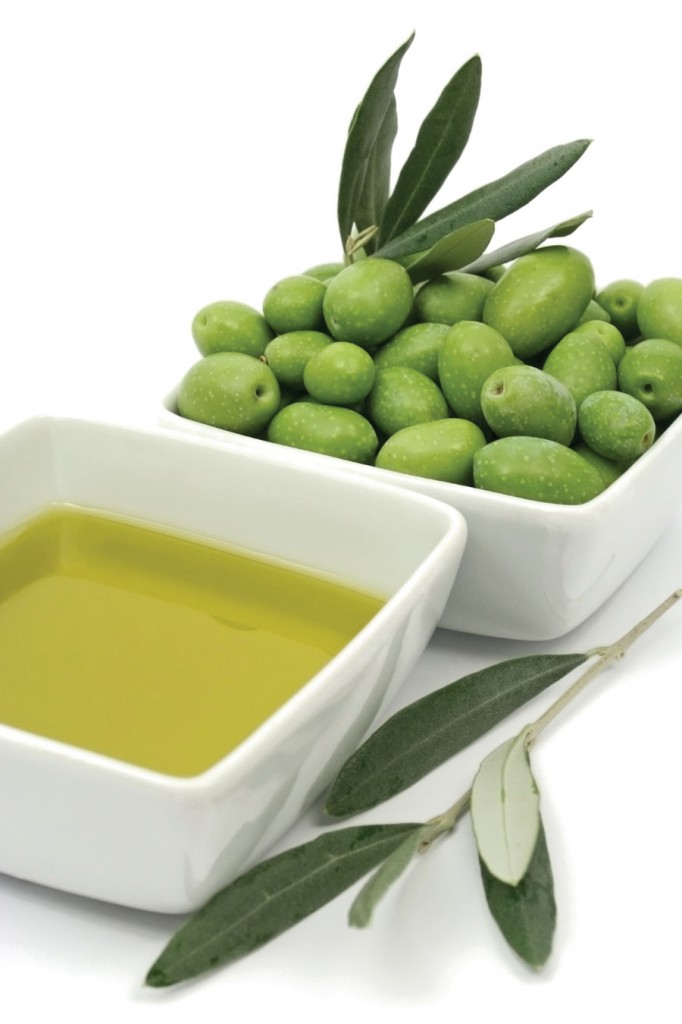
People carrying two copies of a gene variant linked to diabetes had nearly three times the stroke risk of other people while eating a low-fat diet, but no extra risk at all while eating a Mediterranean diet with olive oil or nuts, according to a study published this month in Diabetes Care. It is the first gene and diet interaction affecting stroke to come out of a long dietary trial. Here is what it found and how much to make of it.
What the researchers did
The work comes from the Jean Mayer USDA Human Nutrition Research Center on Aging at Tufts University and from the CIBER obesity and nutrition research network in Spain, led by José Ordovás at Tufts and Dolores Corella of the University of Valencia.
They did not run a new trial. They went back to PREDIMED, the Spanish study that randomly assigned more than 7,000 people at high cardiovascular risk to a Mediterranean diet with extra virgin olive oil, the same diet with nuts, or a low-fat control diet, and followed them for a median of about five years. This time they sorted the participants by a variant in a gene called TCF7L2, which is strongly associated with type 2 diabetes. About 14 percent of them carried two copies of it.
What they found
| Carriers of two copies of the variant | Result |
|---|---|
| In the low-fat control group | Almost three times the stroke risk of people with one copy or none |
| In the Mediterranean diet groups | No measurable extra risk |
| With low adherence to the diet, before the trial | Higher fasting glucose, total and LDL cholesterol and triglycerides |
| With high adherence | Those differences disappeared |
“The food they ate appeared to eliminate any increased stroke susceptibility, putting them on an even playing field with people with one or no copies of the variant,” Ordovás said. Corella made the same point about the blood measurements: when adherence to the diet was high, carrying two copies of the variant made no significant difference to fasting glucose or to the standard cholesterol numbers.
Adjusting for diabetes, body weight and medication did not change the findings.
How to read it
- The stroke comparison comes from a randomized trial, which is unusually strong ground for a diet and gene finding. The blood measurements at the start of the study are observational.
- The diet was the whole pattern, with extra virgin olive oil or nuts on top. Nothing here isolates one food as the active ingredient.
- The authors do not know the mechanism and say so. They want more studies before anyone builds a genetic test around this.
- Nobody needs to know their TCF7L2 status to act on it. The advice that comes out of this study is the advice that came out of PREDIMED: eat that way.
This is general information, not medical advice. If you have diabetes in the family, or you have been told your blood sugar or cholesterol is high, talk to a doctor or a dietitian about your own case rather than acting on a single study.
Nutrigenomics is where the supplement industry is heading next, and the word “personalized” is about to be attached to a great many bottles. Watch for the gap between what a study like this shows, that a whole diet blunted a genetic risk, and what a marketer will imply, that a particular oil or capsule acts on your genes. The oil in this trial was ordinary extra virgin olive oil, used daily in real kitchens, bought by the liter.
Sources
- Tufts University: Mediterranean Diet Counteracts a Genetic Risk of Stroke, Study Reports (August 13, 2013, archived)
- Corella and others: Mediterranean Diet Reduces the Adverse Effect of the TCF7L2-rs7903146 Polymorphism on Cardiovascular Risk Factors and Stroke Incidence, Diabetes Care (2013)
- Olive Oil Times: Mediterranean Diet May Interact with Genes and Prevent Stroke (August 19, 2013)