The Blight Spreads Across Puglia
By 2014, a fast-spreading blight had struck olive trees across a huge swathe of Puglia, killing thousands — even as scientists still argued over exactly what was doing it. That early uncertainty is a large part of why the disaster ran out of control.
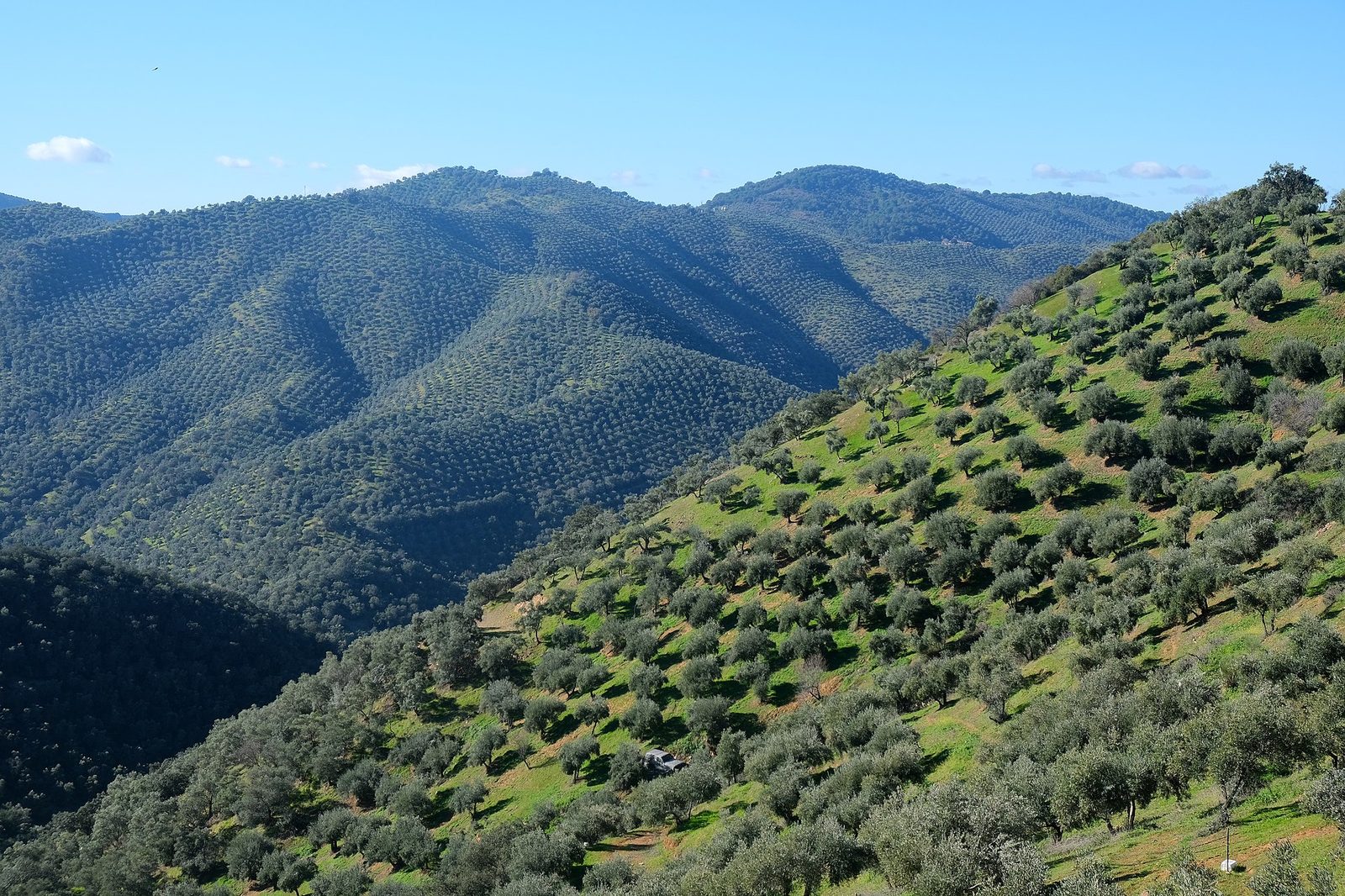
By 2014 a devastating decline had spread across a large area of olive groves in Puglia, the heel of Italy, killing thousands of trees. The prime suspect was the bacterium Xylella fastidiosa, newly arrived in Europe. But some researchers and campaigners argued a fungal infection or poor grove management might share the blame — a scientific dispute that ran alongside the official focus on Xylella and, crucially, cost time.
Why the cause was so hard to pin down
A new pathogen in a new place is a genuine mystery, not a failure of intelligence. Xylella had never before caused an epidemic on European olives, so there was no local playbook. Its symptoms — scorched leaves, dying branches, whole-tree collapse — can look like drought, fungal disease or neglect, and often several stresses overlap in the same grove. Proving that one bacterium was the primary killer, rather than a passenger, took careful science, and careful science is slow. Meanwhile the trees kept dying.
The cost of uncertainty
Here is the hard lesson buried in the 2014 story. Against a fast-spreading disease with no cure, the period of doubt is itself dangerous. While experts debated the cause and growers resisted drastic action, the pathogen kept advancing, and containment measures that might have worked early became hopeless later. Part of why the outbreak escaped control is simply that too much time passed between the first alarm and a coordinated, decisive response. Doubt is reasonable; it is also, against an unstoppable pathogen, expensive.
What it changed
The Puglia blight became Europe’s cautionary tale for plant disease. It reshaped how the EU monitors and responds to new pathogens, hardened quarantine and nursery rules, and taught a generation of growers that an incurable disease rewards speed and punishes hesitation. For the ancient monumental groves of Salento, the lesson came too late — but it is why the next outbreak, somewhere else, may be met faster.
| When | Alarm raised by 2014 |
|---|---|
| Where | Puglia (especially Salento), southern Italy |
| Scale | Tens of thousands of hectares affected |
| Prime suspect | Xylella fastidiosa |
| Also blamed | Fungal infection, grove neglect (disputed) |
| Cure | None — containment only |
| Key failing | Time lost to uncertainty and delay |
The takeaways
- A new pathogen in a new place is genuinely hard to diagnose — symptoms overlap with drought and neglect.
- The disease has no cure; only containment slows it.
- The period of doubt is itself dangerous — the blight advanced while experts argued.
- Puglia reshaped Europe’s plant-disease response, favouring speed over hesitation.
The Puglia olive blight: common questions
What was killing the Puglia olives?
The prime suspect was the bacterium Xylella fastidiosa, though early on some argued fungal disease or grove neglect might share the blame.
How widespread was it by 2014?
The decline had struck olive trees across tens of thousands of hectares of Puglia, killing thousands of trees, with Salento worst hit.
Why was the cause disputed?
Xylella had never caused a European olive epidemic before, and its symptoms resemble drought, fungal disease and neglect, so proving the primary cause took time.
Why did the uncertainty matter?
With no cure, delay let the disease advance; containment that might have worked early became far less effective once time was lost.
What did the outbreak change?
It reshaped how the EU monitors and responds to new plant pathogens, tightening quarantine and nursery rules and stressing early, decisive action.
The thing people forget about the Puglia blight is how much of the damage was done by doubt. A brand-new disease looks like a dozen ordinary problems, and while everyone argued about which one it was, the trees kept dying. That is the cruel arithmetic of an incurable pathogen: every month spent proving the cause is a month it spends spreading. The groves of Salento paid for that delay. The one good thing to come of it is that Europe now knows to move faster next time — because there is always a next time.
Drawn from August 2014 trade reporting on the spread of blight across Puglia’s olive groves.