The Olive in Flags, Coins and Emblems
Once you start looking, the olive branch is everywhere in officialdom — on flags, seals and coins around the world. It is the most widely used plant symbol in the language of states, and its meaning has been remarkably steady for three thousand years.
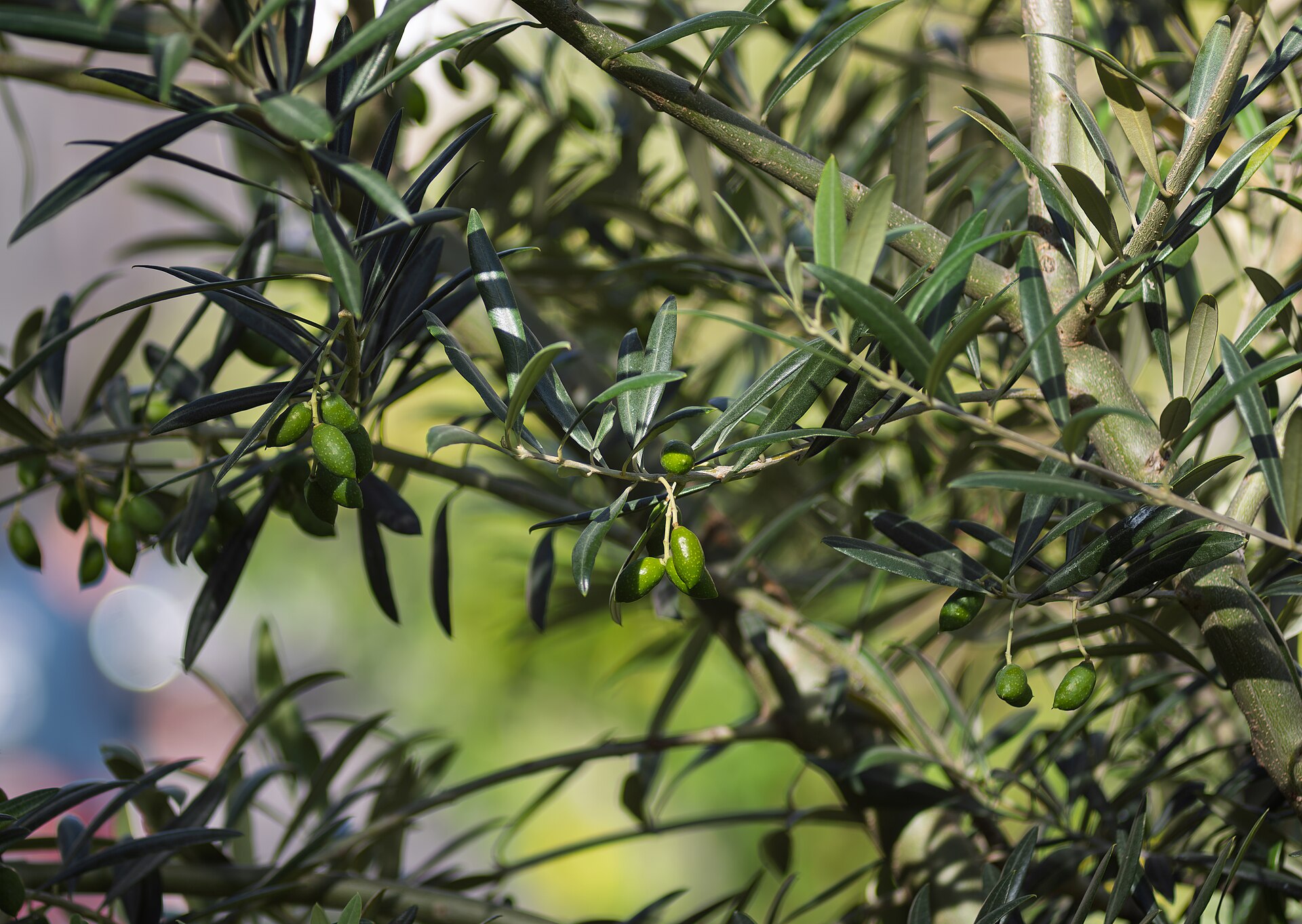
No committee sat down and decided the olive should mean peace and prosperity on the world’s emblems. Three thousand years of Mediterranean life did that, and the symbol has been so reliable ever since that designers still reach for it whenever a state needs to say ‘peace’ without words. It runs from ancient coins to the newest national flags in an unbroken line.
On the world’s emblems
The flag of the United Nations wraps the globe in two olive branches — a design first sketched in 1945 and adopted in 1946. Cyprus puts a pair of olive branches on its flag too; the Great Seal of the United States has its eagle clutching an olive branch in one talon (and arrows in the other), the branch traditionally shown with thirteen leaves and thirteen olives for the original states. Italy’s republican emblem frames its star with olive and oak. From the European Union to dozens of national coats of arms, the message is the same: peace, and the prosperity that follows it.
| United Nations | World map framed by two olive branches (adopted 1946) |
|---|---|
| Cyprus | Two olive branches beneath the island’s silhouette |
| United States | Eagle grips an olive branch (13 leaves, 13 olives) and arrows |
| Italy | Republican emblem framed by olive and oak |
| Ancient Athens | Athena’s owl beside an olive sprig on silver coins |
On ancient coins
It is a very old habit. The silver coins of ancient Athens showed Athena’s owl beside an olive sprig — the city advertising the gift that, in myth, had named it. Olive wreaths crowned victors and rulers on coinage across the Greek and Roman world. To stamp an olive on money or a seal was to claim the tree’s whole aura at once: divine favour, victory, peace and wealth. Money is propaganda you carry in your pocket, and the olive was among its most trusted images.
The detail hidden on the US seal
Here is the part almost nobody notices, and it is worth knowing. On the Great Seal of the United States the eagle holds an olive branch in its right talon and a bundle of arrows in its left — peace and war, side by side — and, crucially, the eagle’s head is turned toward the olive branch. That was a deliberate choice: it signals a preference for peace over war. The branch carries thirteen leaves and thirteen olives, echoing the thirteen original states. So a symbol most people read as generic decoration is actually making a specific, pointed statement — the olive, once again, doing serious work.
Spotting the olive in officialdom
- Look for it on the UN and Cyprus flags, and countless national coats of arms.
- On the US Great Seal, the eagle faces the olive branch — a coded preference for peace.
- The thirteen leaves and olives on that branch stand for the original states.
- On ancient coins, an olive sprig signalled divine favour, victory and wealth.
The olive in flags, coins and emblems: common questions
Which flags feature the olive branch?
The United Nations flag frames the globe in two olive branches, and Cyprus shows a pair on its flag; the olive also appears on many national coats of arms.
What does the olive branch on the US Great Seal mean?
Peace — and the eagle’s head is deliberately turned toward it, signalling a preference for peace over the arrows of war held in the other talon.
Why 13 leaves and 13 olives on the US seal?
The number thirteen recurs throughout the Great Seal to represent the thirteen original states of the union.
Did ancient coins use the olive?
Yes. Athenian silver coins paired Athena’s owl with an olive sprig, and olive wreaths crowned victors and rulers on coinage across the Greek and Roman world.
Why has the olive stayed such a reliable symbol?
Three thousand years of Mediterranean life fixed its meaning as peace and prosperity, so designers still reach for it whenever a state needs to say ‘peace’ wordlessly.
No committee decided the olive should mean all this; three thousand years of Mediterranean life did. The branch carries its meaning so reliably that designers still reach for it whenever they need to say ‘peace’ without words. Look closely and it rewards you — on the US Great Seal the eagle actually turns its head toward the olive branch, a coded vote for peace over the arrows in its other claw. A tree became a logo for civilisation, and it is still quietly in service.
Based on the United Nations’ account of its 1946 emblem, the official description of the Great Seal of the United States, and ancient Greek numismatics.