Italy’s 2016 Forecast Slashed to Half
In autumn 2016 Italian producers cut their harvest forecast to roughly half the year before. It is a textbook lesson in how an olive crop actually collapses — and why the price on the shelf does not always follow.
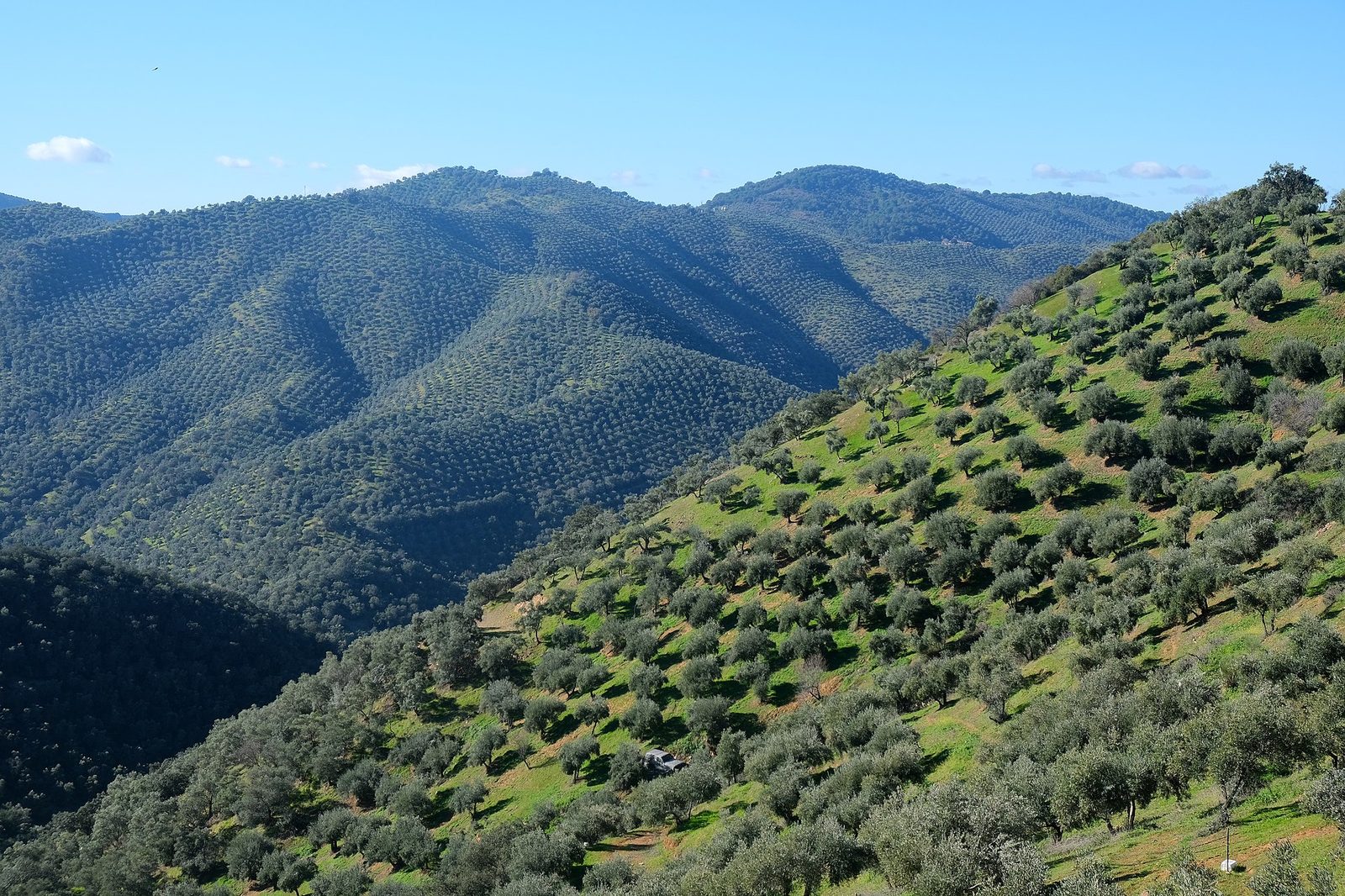
By late September 2016, Italy’s crop estimate had been slashed to no more than about 250,000 tonnes, down from 470,000 the previous year. No single catastrophe did it. A nearly absent winter, the olive fruit fly and the fungal disease anthracnose together hollowed the crop out before picking had properly begun, with some growers harvesting early to save what they could. And yet shelf prices stayed largely stable — a puzzle that reveals how the trade really works.
Death by a thousand cuts
People imagine a bad harvest as one dramatic event — a frost, a drought, a storm. More often it is an accumulation. A mild winter fails to kill overwintering pests and gives the tree too little dormancy. That lets the olive fruit fly build up and ruin fruit from the inside. Damp spells invite anthracnose, a fungus that rots the olives on the branch. Each factor alone might be survivable; together they compound, and a crop that looked promising in spring is gutted by autumn. That layering is exactly why forecasts get revised down so sharply, so late.
| Factor | What it does |
|---|---|
| Mild winter | Too little dormancy; pests survive to breed |
| Olive fruit fly | Larvae ruin fruit and oil from inside |
| Anthracnose | Fungus rots olives on the branch |
| Poor flowering | Fewer fruit set in the first place |
| Wet harvest | Rot and mould at the worst moment |
Why the shelf price lagged
Here is the counter-intuitive part. A halved harvest did not immediately halve supply on the shelf, because the market runs partly on carry-over stocks — oil pressed in earlier, better years and held in tanks. A bad crop hurts far less when the cellars are still full from a good one. Prices spike only when stocks run down and several bad years stack up, which is exactly what happened later in the decade. It is a useful thing for a buyer to understand: the number that matters is not one harvest, but the running balance of stored oil behind it.
The warning bell
Seen from later, 2016 reads as a warning shot before the sharper crashes that followed. The mechanism it exposed — multiple stresses compounding, stocks masking the damage for a while, then prices lurching when the buffer empties — is the same pattern that drove the great shortages of the 2020s. Learn to read it, and a scary harvest headline becomes something you can actually interpret rather than simply fear.
- Bad harvests are usually cumulative, not a single disaster — watch for pests plus disease plus weather.
- Stocks buffer the shelf. A short crop bites the price only once reserves are gone.
- Mild winters are not good news for olives — they let pests overwinter.
- Early harvesting is a rescue move, not a quality choice, in a fly-and-rot year.
How olive harvests crash: common questions
Why do olive harvest forecasts get cut so sharply?
Because several stresses — pests, disease, weather — often compound through the season, so a crop that looked fine in spring can be gutted by autumn, forcing a late, steep revision.
What is anthracnose?
A fungal disease that rots olives on the branch, thriving in damp conditions. Along with the olive fruit fly, it was a major driver of Italy’s poor 2016 crop.
Why didn’t prices double when the crop halved?
Because carry-over stocks from earlier, better years cushioned supply. Prices spike mainly when reserves run down and several bad years stack up.
Is a mild winter good for olive trees?
Not necessarily — it can leave pests alive to breed and give trees too little dormancy, setting up a worse pest year ahead.
What does ‘carry-over stock’ mean?
Oil pressed in earlier years and held in tanks, which the market draws on to smooth out a bad harvest before shortages reach the shelf.
This is the warning bell before the crashes that followed : a crop gutted not by one disaster but by several small ones at once. And it is a reminder that stocks, not just harvests, set the shelf price — a bad year hurts less when the cellars are still full from a good one. When you read a scary harvest headline, ask the second question the story rarely asks : how full are the tanks behind it?
An evergreen explainer on how olive crops collapse, drawn from Italy’s 2016 forecast.