Italy’s 2016 Harvest Crashes
Italy’s olive harvest has taken to crashing on a schedule — a crop that can halve from one year to the next. The volatility itself is the real story: it is what drives the price shocks, and what quietly rewards the people who fake the oil.
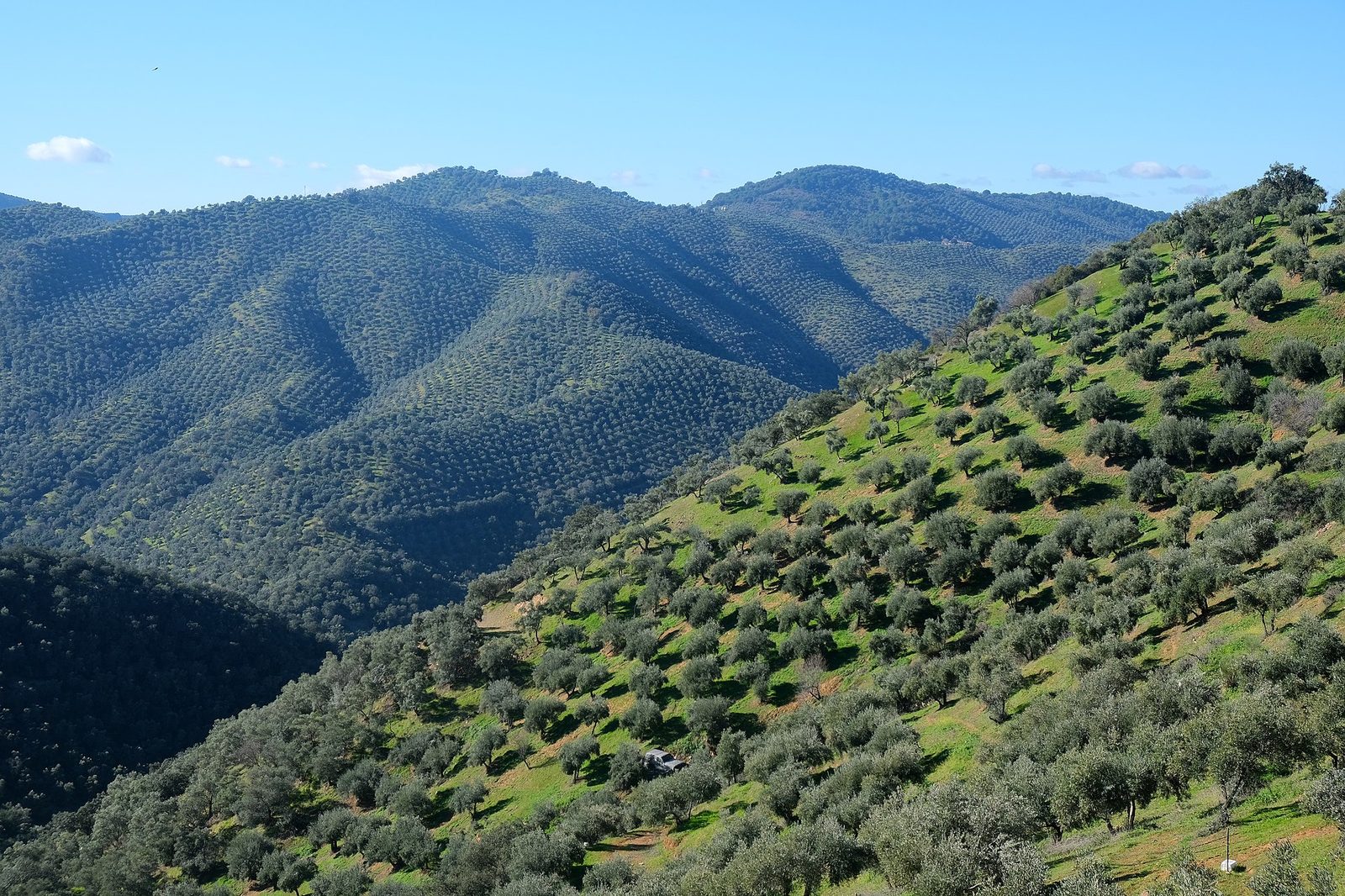
In a poor year Italy’s olive-oil production can drop by more than half — one recent crash took it from around 475,000 tonnes to roughly 200,000. The immediate causes are familiar and recurring: erratic weather that confuses the trees’ flowering and fruiting, the olive fruit fly ruining fruit before it can be milled, and, in the south, the slow devastation of Xylella. Individually each is an old enemy. What changed is how often they arrive together.
Why a bad harvest matters beyond Italy
Italy is not just a huge producer; it is the pivot of the world oil trade. It consumes vast quantities, and it imports and re-exports vaster quantities still, bottling and branding oil that grew elsewhere. So when the Italian crop fails, the shock does not stay in Italy. It pulls in oil from Spain, Greece, Tunisia and beyond to fill the gap, tightens the whole Mediterranean market, and shows up as higher prices on shelves far from any Italian grove.
Stocks: the missing shock-absorber
In a healthy market, reserves cushion a single bad year — you draw down stocks, ride it out, refill next season. The danger is consecutive poor harvests, which drain those reserves. Once the cushion is gone, the next shortfall passes straight through to the price with nothing to soften it. That is why a run of Italian crashes is more alarming than any one of them: it is the market losing its ability to absorb the next blow.
Volatility is a fraudster’s friend
Here is the part that should concern a shopper most. Every Italian shortfall widens the gap between what genuine Italian oil costs to make and what a faker can charge for cheap imported oil dressed in Italian clothes. Scarcity and adulteration are the same story told twice: the tighter and pricier real oil becomes, the more tempting it is to cut it, mislabel it, or pass off a lesser oil as premium. Buy traceable, buy dated, and understand why so much ‘extra virgin’ isn’t.
| Scale of a bad crash | Production can more than halve year-on-year |
|---|---|
| Direct causes | Erratic weather, olive fruit fly, Xylella in the south |
| Italy’s role | Major producer and the hub of global bottling/re-export |
| Knock-on effect | Tighter Mediterranean market, higher shelf prices |
| The hidden risk | Drained reserves pass the next shortfall straight to price |
| Fraud link | Scarcity widens the incentive to adulterate and mislabel |
What a shopper should take from it
- A run of crashes means higher, more volatile prices — expect it, don’t panic-buy junk.
- Scarcity fuels fraud: insist on traceable origin and a harvest date.
- ‘Bottled in Italy’ is not the same as ‘grown in Italy’ — read the small print.
- When a good oil is affordable, buy it and store it properly, cool and dark.
Italy’s harvest crashes: common questions
How much can Italy’s olive crop fall in a bad year?
Dramatically — production can more than halve, for example from around 475,000 tonnes to roughly 200,000 in a single poor season.
What causes these crashes?
Chiefly erratic weather disrupting flowering and fruiting, the olive fruit fly damaging the crop, and in the south the spread of Xylella.
Why does an Italian shortfall raise prices elsewhere?
Italy is the hub of global bottling and re-export. When its crop fails it draws oil from other countries, tightening the whole Mediterranean market and lifting prices broadly.
Why is volatility linked to fraud?
Scarcity widens the gap between the cost of real oil and the price a faker can charge for cheap substitutes, increasing the incentive to adulterate or mislabel.
How can I protect myself as a buyer?
Buy oil with a traceable origin and a clear harvest date, don’t assume ‘bottled in Italy’ means grown there, and store a good oil cool and dark once you have it.
The trap is treating each crash as a one-off weather story. It isn’t. When a producing giant that also bottles the world’s oil keeps halving its crop, two things follow as night follows day: prices climb and stay jumpy, and the fakers have a field day, because a tight, expensive market is the perfect cover for cheap oil in an Italian-looking bottle. Your defence is unglamorous and reliable — traceable origin, a real harvest date, and a shed of scepticism about any ‘Italian’ bargain that looks too good.
Drawn from International Olive Council and USDA production data on Italian harvests and Mediterranean market dynamics.