Europe’s “Lucifer” Summer and the 2017 Crash
The summer of 2017 had a name: Lucifer. The heatwave that earned it baked Italy, Spain and the Balkans, and combined with spring frost and the olive fruit fly to help crush the harvest — a preview of the compounding, year-on-year pressures that would define the decade.
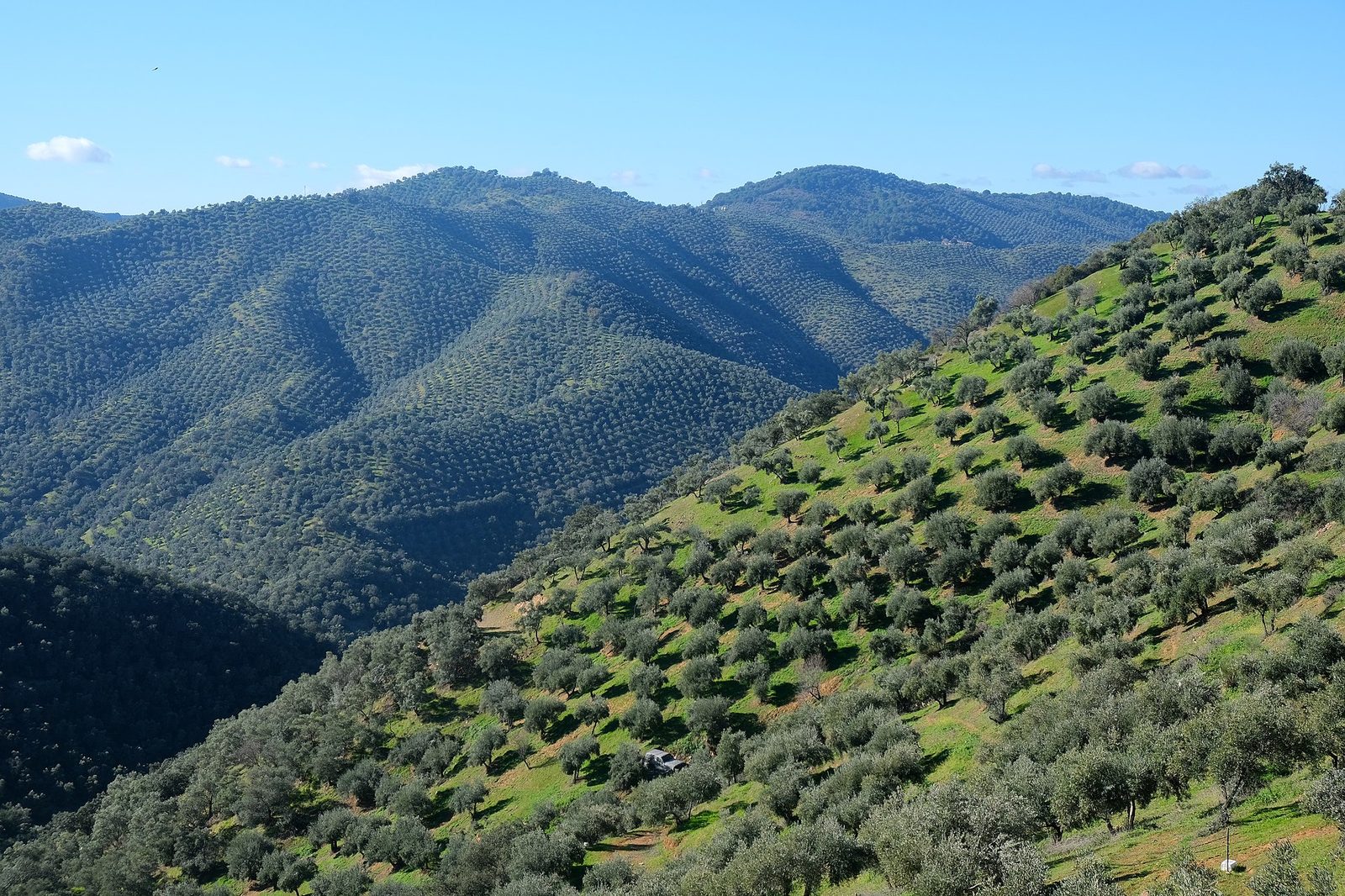
When a heatwave is bad enough that forecasters give it a name, you know the crops are in trouble. In the summer of 2017 an intense, prolonged blast of heat — widely dubbed Lucifer — swept Italy, Spain and the Balkans, pushing temperatures to record levels and deepening drought. The olive is famously heat-tolerant, but there is heat and there is this: air hot enough to scorch leaves, abort young fruit and stress even these tough old trees past their natural limit. Layered on top of a damaging spring frost and a bad year for the olive fruit fly, it helped drive Italy’s 2017/18 crop to its lowest in around 25 years.
Why a heat-lover can still be beaten by heat
It seems a contradiction: the Mediterranean’s signature tree, struggling with a Mediterranean summer. The resolution is that the olive is adapted to ordinary Mediterranean heat, not to record extremes arriving at the wrong moment. Flowering and fruit set are the vulnerable windows — a savage heat spike then can cause flowers to drop and young fruit to abort, so the damage is done months before harvest. Prolonged drought compounds it, shrinking whatever fruit does set. The tree survives; the crop does not.
The year the pressures stacked
What made 2017 a turning point was not any single disaster but the pile-up. Frost and heat and drought and pests, all in one season, across several countries at once. For decades a really bad olive year was a once-a-decade event; 2017 was the year that stopped being true. The compounding stresses that would define the next decade — and drive the record prices of the early 2020s — were all on display together, as if rehearsing.
What a buyer should take from it
The lesson is not to panic-buy at every heatwave headline, but to understand why your oil now costs what it does. A crop this concentrated in a warming region will keep delivering shocks, and each shortfall nudges prices up and quietly widens the door for fake ‘extra virgin’ to fill the gap. The shoppers who come out best are the ones who learned early to buy honest, dated oil rather than chase the cheapest bottle on the shelf.
| Year | 2017 (2017/18 crop) |
|---|---|
| Heatwave | ‘Lucifer’ — record heat, drought |
| Regions | Italy, Spain, the Balkans |
| Other blows | Spring frost, olive fruit fly |
| Italy’s result | Lowest production in around 25 years |
| Wider meaning | Compounding, near-annual weather pressure |
The takeaways
- A named heatwave is a warning sign — extreme heat at flowering can abort the crop months early.
- The olive tolerates ordinary Mediterranean heat, not record extremes at the wrong time.
- 2017 stacked frost, heat, drought and pests — the new, harder pattern.
- Shortfalls raise prices and widen the door for fraud; buy honest, dated oil.
The 2017 ‘Lucifer’ summer: common questions
Why was the 2017 heatwave called Lucifer?
Forecasters nicknamed the intense, prolonged summer heat that hit southern Europe ‘Lucifer’ for its severity and record temperatures.
How did it affect olives?
Extreme heat and drought scorched leaves and aborted fruit, and with spring frost and the fruit fly helped push Italy’s 2017/18 crop to a roughly 25-year low.
If olives love heat, how can heat hurt them?
They tolerate ordinary Mediterranean heat, but record extremes at flowering and fruit set cause flowers and young fruit to drop — damage done long before harvest.
Was heat the only cause?
No — 2017 combined spring frost, the ‘Lucifer’ heat, drought and the olive fruit fly, a pile-up of pressures in one season.
Why does this matter for prices?
Concentrated production in a warming region means recurring shortfalls, each nudging prices up and encouraging fraudulent ‘extra virgin’ to fill the gap.
When they start naming the heatwaves, brace for a thin harvest. The public thinks of the olive as a heat-lover, and it is — but a ‘Lucifer’ summer is heat of a different order, striking exactly when the flowers and young fruit are most vulnerable. 2017 was the year the trade stopped treating a catastrophic harvest as a freak. Frost, heat, drought and the fly in one season stopped being bad luck and started looking like the forecast.
Background from reporting on the August 2017 ‘Lucifer’ heatwave and its impact on Mediterranean agriculture and the 2017/18 olive crop.