‘Lucifer’ Heat Threatens Spain’s Olive Oil
The olive is famously built for heat. Yet the summer of 2017, when a heatwave nicknamed ‘Lucifer’ seared southern Europe, was a warning: there is a temperature at which even this tough Mediterranean tree stops coping and starts dropping its fruit.
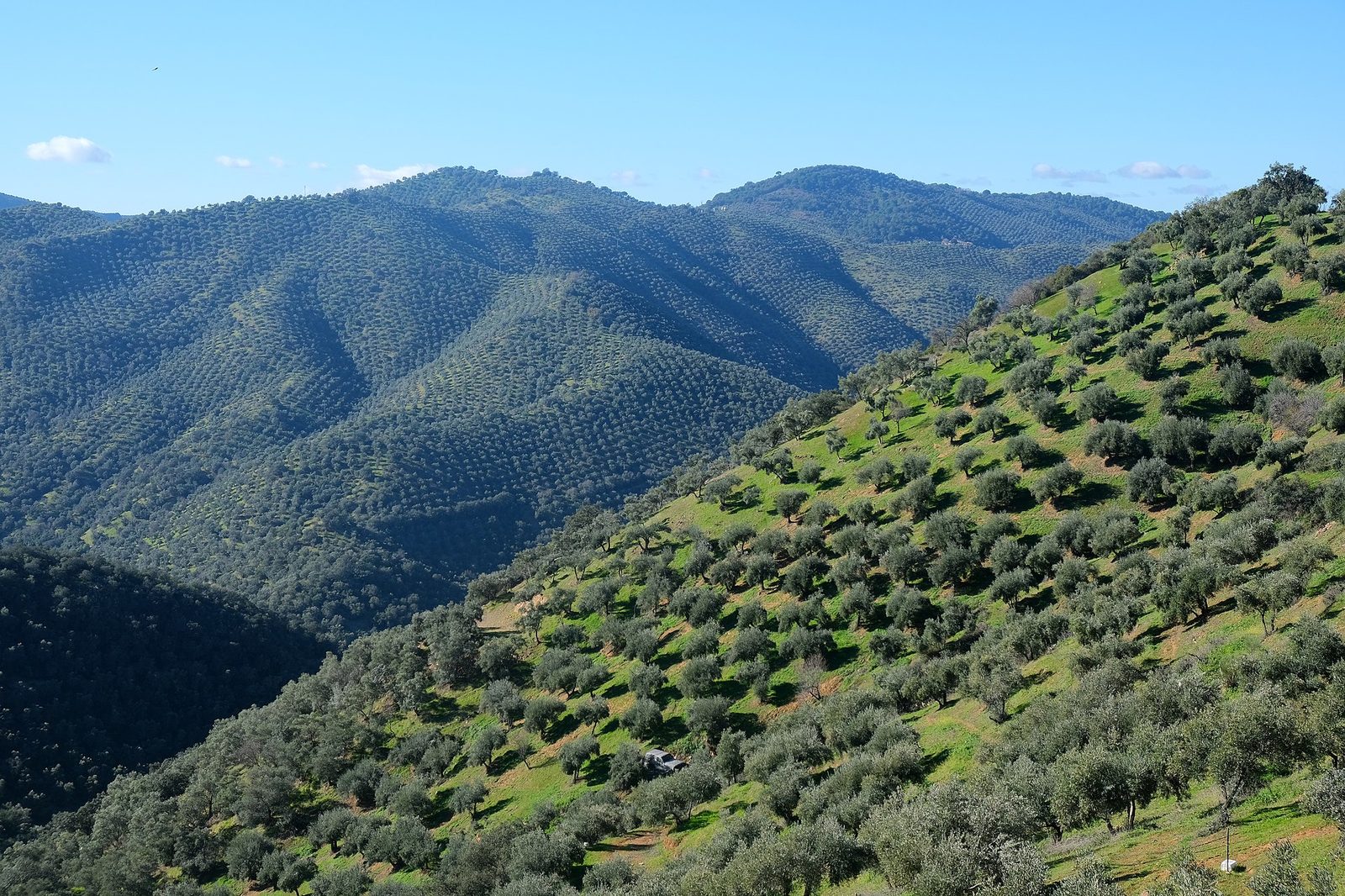
We think of the olive as a sun tree, and it is — it thrives where wheat and vines would burn. But ‘thrives in heat’ and ‘survives any heat’ are not the same thing. In the summer of 2017 a heatwave the forecasters nicknamed ‘Lucifer’ rolled across the Mediterranean, and Spain’s agriculture officials warned openly that extreme heat and drought could curtail the coming olive harvest. When the signature crop of a hot climate starts struggling with that climate, it is worth understanding exactly why.
The mechanism: heat, flowering and fruit set
An olive tree’s yield is decided months before harvest, at flowering in spring and fruit set in early summer. A blast of extreme heat at the wrong moment scorches leaves, aborts flowers and makes young fruit drop. The tree protects itself first and its crop second: under severe stress it will shed olives to survive. So a single fierce heatwave in June or July can quietly write off a chunk of the autumn harvest long before a single olive is picked.
Heat plus drought is the real danger
Heat alone the olive can often shrug off; heat with no water is what breaks it. The 2017 problem was a combination — a hot, dry season stacked on top of earlier cold snaps elsewhere in the Mediterranean. Together they helped push global olive-oil production sharply down that year. This is the pattern that recurs through the 2020s: it is rarely one disaster but a pile-up of them — a frost, then a drought, then a heat spike — that turns a normal year into a short one and sends prices climbing.
Why it matters beyond one summer
Spain grows a huge share of the world’s olive oil, so its weather is, in effect, the world’s price. A ‘Lucifer’ summer in Andalusia is felt in kitchens far away. It is also part of the quiet argument for spreading olive growing to newer, cooler ground — the more places grow the tree, the less the whole planet’s supply hangs on one hot corner of Spain. A tight, weather-hit market is also, always, a fraudster’s market.
| Event | The 2017 ‘Lucifer’ heatwave |
|---|---|
| Where | Southern Europe, incl. Spain and Italy |
| Peak heat | Above 40 C in the south |
| Damage window | Flowering and fruit set |
| Compounding factor | Drought, plus earlier frost elsewhere |
| Result | A sharply reduced global crop that season |
What a grower or buyer should note
- Yield is set at flowering and fruit set — a spring or early-summer heat spike hurts most.
- Water, not just heat, decides survival; irrigation is increasingly the difference.
- A short crop shows up months later as a dearer bottle — the market lags the weather.
- Expect more volatility, not less, and treat suspiciously cheap ‘premium’ oil in a short year with real caution.
Heat and the olive harvest: common questions
Isn’t the olive a heat-loving tree?
Yes — it thrives in hot, dry climates. But extreme heat, especially with drought and at flowering, still scorches leaves, aborts flowers and makes fruit drop.
What was the ‘Lucifer’ heatwave?
A severe 2017 heatwave that pushed parts of southern Europe past 40 C, prompting Spanish officials to warn it could cut the olive harvest.
Why does one hot summer raise oil prices?
Spain produces a large share of the world’s olive oil, so a bad Spanish season tightens global supply — and a short crop becomes a dearer bottle months later.
Is heat or drought the bigger threat?
Usually the combination. The olive tolerates heat far better when it has water; heat plus drought is what does the real damage.
Does this mean olive oil is doomed by climate change?
No — but it means more volatile harvests and prices, and a stronger case for growing olives across more regions to spread the risk.
Do not let anyone tell you the olive is invincible in the heat. It is tougher than almost any crop you can name — but a ‘Lucifer’ summer with no water will still make it drop its fruit to save itself. The lesson for a buyer is simple and unglamorous: in a hot, short year, be sceptical of a bottle that is suddenly cheap. Scarcity does not make oil cheaper; it makes fakery more tempting. Watch the harvest news, and let it warn you off the too-good deal.
Drawn from contemporary 2017 reporting on the southern-European ‘Lucifer’ heatwave and Spanish agriculture warnings, and general olive-tree physiology.