How Cold Affects Olive Oil (and the Fridge Myth)
Put a bottle of olive oil in the fridge and it clouds, thickens, and forms pale clumps. Somewhere along the way this turned into a kitchen test for purity. It is not one. What you are watching is a normal physical change — useful to understand, useless as proof.
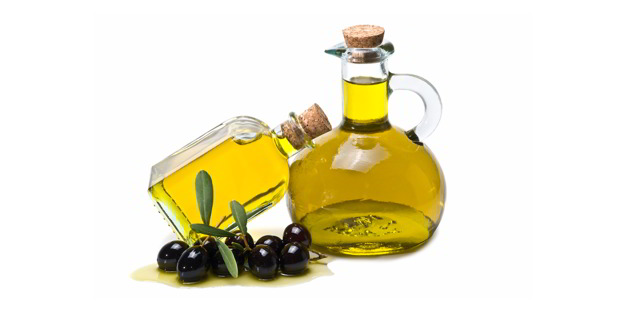
Olive oil is a mix of fats, and different fats solidify at different temperatures. As the oil chills toward fridge temperature, the more saturated fractions and natural waxes start to crystallise, turning the liquid cloudy and eventually thick. Warm it back to room temperature and it returns to clear oil, unharmed. This is reversible and tells you almost nothing about grade. The exact cloud point depends on the variety, the ripeness at harvest, and how much wax sits on the fruit’s skin — not on whether the oil is extra virgin. Two honest oils can cloud at quite different temperatures.
What the cold actually does
Nothing sinister, and nothing permanent. Chilling simply nudges the higher-melting-point components — some saturated triglycerides and the skin waxes carried into the oil — to crystallise out as a haze or soft clumps. It is the same physics that lets butter set and lard turn solid, just at olive-oil temperatures. Let the bottle sit on the counter and it clears again with no loss of flavour or quality. Freezing does not ‘ruin’ good oil; it just makes it briefly solid.
Why the fridge test fails
The popular claim is that real extra virgin solidifies in the fridge while fakes stay liquid. It does not hold up. Refined and adulterated oils can cloud too, and genuine high-oleic oils sometimes stay surprisingly clear. The test confuses two different things: fat chemistry and legal grade. If you want to know whether an oil is good, taste it for fruitiness, bitterness and pepper, and check the harvest date. The fridge will only ever tell you about temperature. For the tests that actually work, see what ‘extra virgin’ really means.
| Claim | Reality |
|---|---|
| ‘Real EVOO solidifies in the fridge’ | False — cloud point depends on variety and waxes, not grade |
| ‘Fakes stay liquid’ | False — refined and cut oils can cloud too |
| ‘Clouding means it went bad’ | False — it is reversible; warms back to clear |
| ‘Chilling protects oil long-term’ | Unnecessary — a cool dark cupboard does the job |
| What clouding is | A reversible physical change, not spoilage |
|---|---|
| What crystallises | More saturated fats & natural skin waxes |
| Cloud point set by | Variety, ripeness, wax content — not grade |
| Reversibility | Clears fully at room temperature |
| What it proves | Temperature only — never quality |
| Real quality checks | Taste, harvest date, named origin |
The takeaway
- Clouding is physics, not a certificate — ignore the fridge test.
- Store the everyday bottle in a dark cupboard away from the stove, not the fridge.
- If you do chill one, let it return to room temperature before pouring; it loses nothing.
- Judge quality by taste and harvest date, never by cold behaviour.
Cold and the fridge test: common questions
Does real extra virgin solidify in the fridge?
Sometimes, but so do refined and adulterated oils, and some genuine oils stay clear. Cloud point depends on variety and waxes, not on grade, so the test proves nothing.
Is it bad to refrigerate olive oil?
No. It just clouds and thickens, which reverses at room temperature. It is unnecessary rather than harmful.
Why does chilled oil go cloudy?
Its more saturated fats and natural skin waxes crystallise in the cold, forming a haze or soft clumps. Warming it clears them again.
Will freezing ruin my oil?
No. It makes the oil briefly solid; it returns to normal when warmed, with no loss of quality.
How should I really test an oil?
Taste it for fruitiness, bitterness and pepper, and check the harvest date and named origin. The fridge only tells you the temperature.
Do not judge an oil by how it behaves in the cold — clouding is physics, not a certificate. The fridge test is one of those tidy kitchen ‘hacks’ that spreads because it sounds scientific, but it confuses fat chemistry with legal grade and fools plenty of good people. Store your everyday bottle in a dark cupboard away from the stove, not the fridge. If you do chill a bottle, just let it come back to room temperature before pouring ; it loses nothing at all.
Based on the physical chemistry of olive-oil triglycerides and waxes; not a quality assay.