How Portugal Makes Its Oil
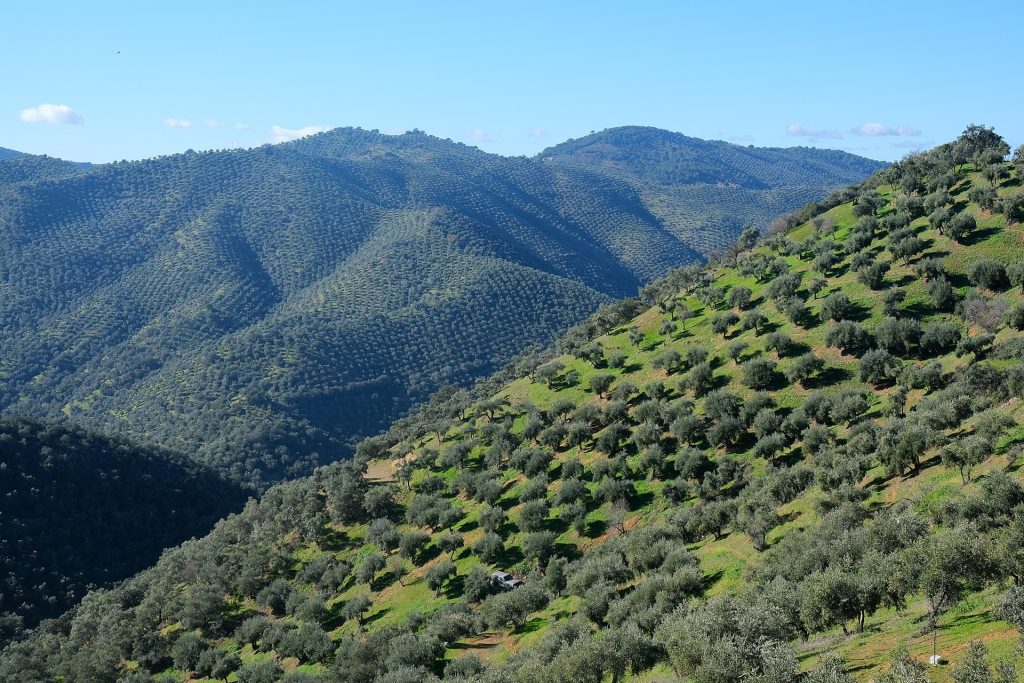
Portugal makes some of the Mediterranean’s most distinctive olive oil, and almost no one outside the trade can name a single Portuguese variety. Overshadowed by Spain next door, it presses oils worth seeking precisely because they go unhyped.
Portugal is the textbook case of a country that makes serious oil and lets its louder neighbour take the credit. Most shoppers can rattle off a Tuscan or an Andalusian style and go blank on Portugal — which is precisely why the bottles are often a quiet bargain. To understand how Portugal makes its oil you have to hold two pictures at once: the big, modern, irrigated Alentejo presses that drive the national tonnage, and the old hill groves of the north that still set the country’s flavour identity. The method is modern; the character is native.
Harvest and the mill
The Portuguese harvest runs from late October into December, earlier in the modern Alentejo blocks and later up in the hills. The big estates harvest by machine — straddle harvesters in the super-high-density hedgerows, trunk shakers in the older orchards — and the fruit is at the mill within hours. The small northern growers still pick by hand and pole, then carry the day’s pick to a co-operative or village mill. The decisive variable is the same one it is everywhere: time between tree and press. Fruit milled fresh gives clean, fruity oil; fruit left to sit in sacks starts to ferment and slides toward the fusty fault that ruins so much cheap oil.
Inside, the modern Portuguese mill is the standard continuous line used across the leading countries: wash, crush to a paste, gently churn the paste (malaxation) so the oil droplets coalesce, then spin it in a centrifuge that separates oil from water and solids. No heat, no pressing mats. Kept cool, that is the ‘cold extraction’ the label boasts about, and it is what protects the aroma and the antioxidants.
The varieties are the real story
What makes Portuguese oil taste Portuguese is the cultivar list, and it is its own thing — not a copy of Spain or Italy. Galega is the historic heart: soft, sweet, almondy, low in bite, the easy house oil of the country for generations. Cobrançosa is the modern favourite, more robust and balanced, increasingly planted because it travels well and gives real green intensity when picked early. Up north you meet Verdeal, Madural and the Trás-os-Montes blends; in the Alentejo, alongside the natives, growers also run Spanish Arbequina and Picual in the high-density rows for sheer efficiency.
- Galega: gentle, sweet, nutty — the traditional Portuguese taste.
- Cobrançosa: balanced and greener; the modern early-harvest star.
- Verdeal / Madural: northern hill varieties, often blended.
- Arbequina / Picual: imported for the irrigated hedgerows.
- DOP oils: Moura, Trás-os-Montes, Norte Alentejano and more tie an oil to its place and permitted varieties.
| Variety | Role | Oil character |
|---|---|---|
| Galega | Historic native | Soft, sweet, almondy, low bitterness |
| Cobrançosa | Modern workhorse | Balanced, green, peppery when early-picked |
| Verdeal | Northern hills | Greener, more structured, aromatic |
| Madural | Northern blends | Rounder, mild, used for body |
| Arbequina | Irrigated hedgerow | Light, buttery, easy — the volume option |
Reading quality from the method, not the marketing
Here is the trade angle worth more than any front-label adjective. Because Portugal isn’t fashionable, its honest producers tend to tell you exactly what is in the bottle — the cultivar, the region, often the harvest date — while the anonymous ‘product of the EU’ oil hides everything. A named Cobrançosa or a DOP from Moura or Trás-os-Montes is telling you it came from identified fruit milled in a modern plant, not from the bulk stream that gets blended away under someone else’s flag. That candour, not a medal, is the surest quality signal you can read from outside the grove.
How Portugal makes its oil: common questions
Why have I never heard of Portuguese olive oil?
Because Portugal sits in Spain’s shadow and spends little on marketing. A lot of its oil is also sold in bulk or blended away. The quiet reputation is exactly why named Portuguese bottles are often a bargain for what’s inside.
What is the most typical Portuguese variety?
Galega is the historic native — soft, sweet and almondy. Cobrançosa is the modern favourite, greener and more robust, especially when picked early. Most everyday Portuguese oil leans on one or both.
Is Portuguese oil made the modern way?
Mostly, yes. The big Alentejo estates run the same continuous centrifugal mills as the leading producers, with cold extraction. Small northern growers still hand-pick and use co-operative mills, but the pressing technology is current.
What does a Portuguese DOP mean?
It is a protected designation of origin — Moura, Trás-os-Montes, Norte Alentejano and others — tying the oil to a defined region and a list of permitted local varieties. It is a useful authenticity and place signal.
How should I choose a bottle?
Look for a named cultivar (Galega or Cobrançosa), a region or DOP, and a recent harvest date. Avoid the anonymous ‘blend of EU oils’ if you want to actually taste Portugal.
If you only know Spanish supermarket oil, a varietal Portuguese Cobrançosa or Galega is the cheapest lesson going in how much variety and place change an oil — for a couple of euros more than the anonymous stuff beside it. Look for the country and a named cultivar on the label, not just ‘product of the EU’. And don’t be fooled by the modest reputation: the good Portuguese mills are as current as anyone’s. You’re paying less only because the name isn’t fashionable yet — that gap closes a little every year, so enjoy it while it lasts.
Regional profile per Portuguese DOP designations and trade sources.