The Olive Tree at the Heart of a Village Square
Walk into an old Mediterranean village and there is often one olive tree the whole place is arranged around — gnarled, fenced or ringed with a low wall, far older than the church beside it. It is not decoration. For centuries that single tree did real work in the life of the community.
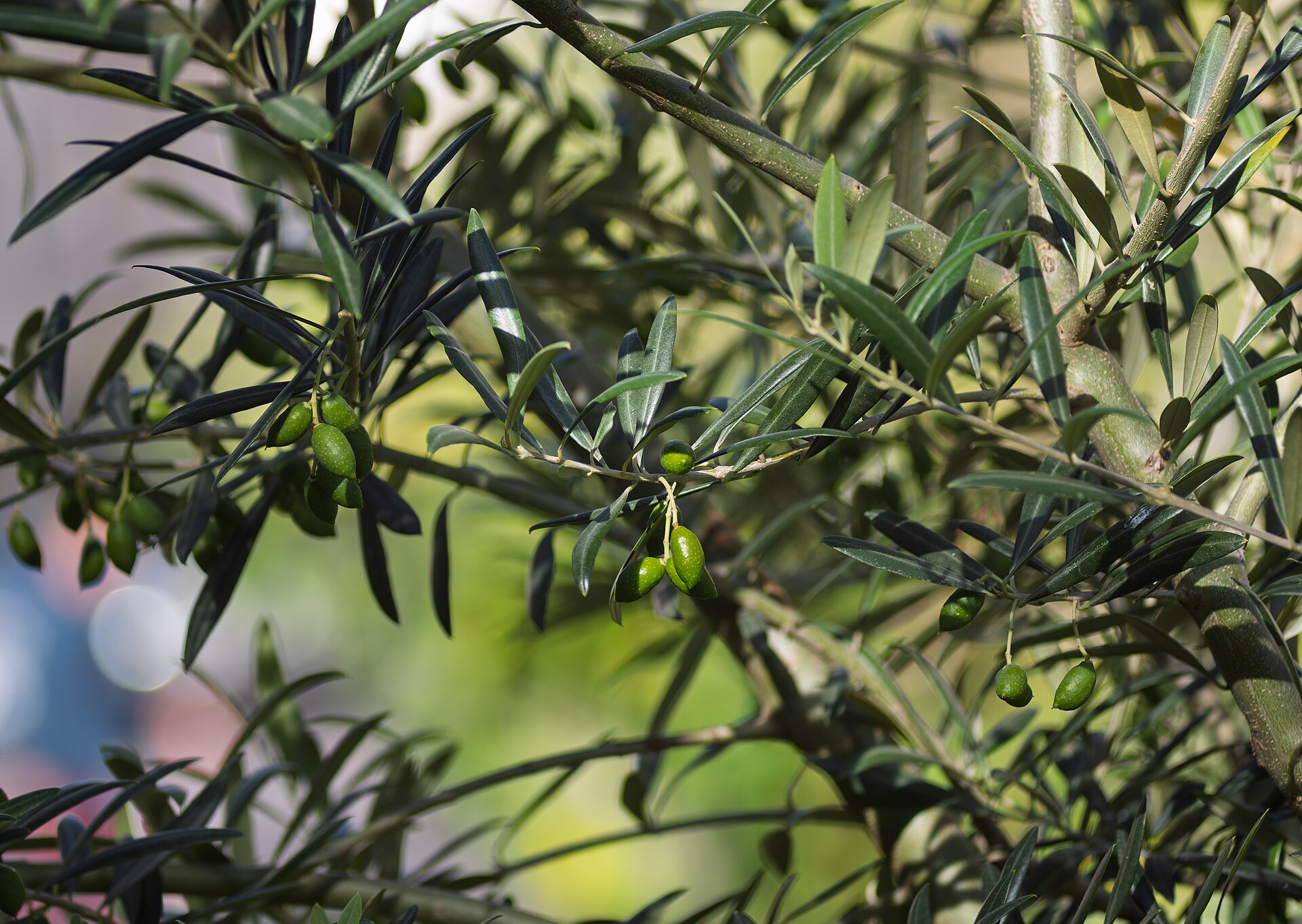
The square tree is one of the quiet institutions of Mediterranean life. It is usually old — sometimes far older than any building around it — and it is usually protected, fenced or ringed with a low wall and left standing when everything else is paved over. That care is not sentimental. For most of the village’s history the tree earned its place, and understanding what it did explains why nobody would dream of cutting it down.
A tree that keeps time
An olive in a square is a living calendar. Its yearly cycle — flowering in late spring, fruit set through summer, the great harvest in autumn — set the rhythm of village work long before anyone owned a printed almanac. The harvest in particular was a communal event: families, neighbours and seasonal hands gathered under and around such trees, and the date the village began picking was often half-fixed by watching the fruit on the square’s own tree. Weddings, fairs and saints’ days clustered in the lulls between olive tasks. To know the tree was, in a real sense, to know the year.
Shade, shelter and belonging
The practical pull was simpler still: shade. In a hot, treeless landscape the broad evergreen canopy gave the one reliably cool spot in the village, and life pooled there — markets, gossip, arguments, courtship, the slow business of old men on benches. Because olives can live for many centuries, the tree also outlasted generations, becoming a fixed point of memory: people met ‘at the olive’ the way others meet at a clock tower. Cutting one down was close to sacrilege. Even now, when squares are paved and cafes have replaced the benches, a village will often build around the old tree rather than lose it.
What the square tree really did
Here is a way to see it plainly: the one tree quietly performed several public jobs a modern town splits between different institutions.
| The square olive did the work of a… | How | Still visible today |
|---|---|---|
| Calendar | Its flowering and fruiting set the year’s rhythm | Harvest festivals timed to the trees |
| Town clock | People met ‘at the olive’ as a fixed landmark | The tree named in local directions |
| Public shade | The one cool canopy in a treeless square | Benches and cafes still cluster beneath it |
| War memorial | A living link to past generations | Named, storied trees with rough ages |
| Notice board | News, deals and disputes settled beneath it | The square remains the social centre |
How to read a village tree
- Ask locals its name and story — many have both, plus a wildly overstated age.
- Look for the low wall or fence : protection is a sign the tree still matters.
- Notice how the square is arranged around it, not the other way round.
- Treat the exaggeration as part of the point — a tree that shaded ten generations has earned a legend.
- If it is still picked communally, you are watching a living tradition, not a monument.
The village-square olive: common questions
Why is there often an olive tree in a Mediterranean square?
Because it did real communal work — setting the farming calendar, giving the one patch of reliable shade, and serving as a landmark and meeting point that outlasted whole generations.
How old are these square trees?
Often genuinely old — sometimes older than the buildings around them — and often claimed to be older still. Olives can live for many centuries, so a very old square tree is entirely plausible.
Why were they protected?
Because they were valued as living landmarks and communal assets. Cutting a village’s central olive down was regarded as close to sacrilege, and many are fenced or walled to this day.
Do square trees still matter today?
Yes — even in paved, modern squares, villages frequently build around the old tree rather than remove it, and it remains a social and symbolic centre.
Are the ages villagers give reliable?
Often exaggerated, but usually rooted in something real. The overstatement is part of the tree’s role: a tree that has shaded ten generations has earned a legend or two.
If you travel through olive country, it is worth asking locals about the tree in the square — many have a name, a story and a rough age, often wildly overstated but rooted in something real. The exaggeration is part of the point. A tree that has shaded ten generations earns the right to a legend or two, and the person telling you tends to know more about the village than any plaque. Ask, and you get its history for free.
Based on Mediterranean rural and cultural history and the enduring role of the village-square olive.