Puglia Starts Replanting After Xylella
For years the Xylella story in Puglia was only loss: millions of ancient olive trees killed, whole landscapes emptied. Replanting with resistant varieties is the first turn from elegy toward renewal — a hopeful chapter, though not a simple one.
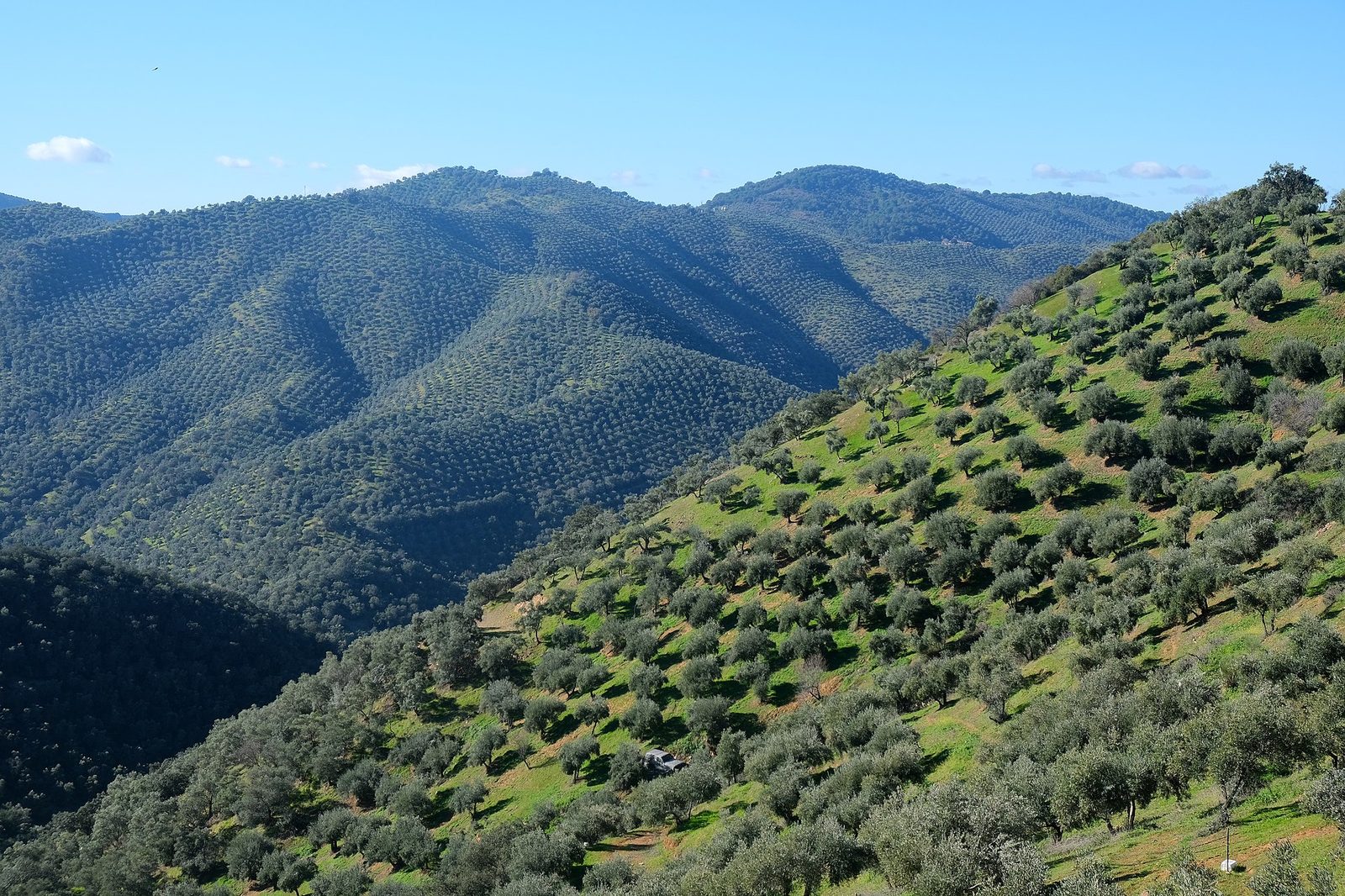
The bacterium Xylella fastidiosa arrived in the Salento, the southern tip of Puglia, and set off one of the great agricultural catastrophes of modern Europe. Spread by sap-feeding insects, it clogs the tree’s water channels and kills it — and it found, in the vast old groves of Puglia, a near-limitless supply of victims. Over the following years it desiccated on the order of twenty-one million olive trees across the region. The first laws allowing farmers to replant in infected zones marked the moment the story finally turned from pure loss toward the beginnings of recovery.
What Xylella did to Puglia
Puglia is the heart of Italian olive country, and many of the trees Xylella killed were not ordinary orchard stock but centuries-old monuments, gnarled giants that had shaped the landscape and the local identity for generations. Their loss was economic and cultural at once. Because the disease had no cure, the only tools were containment — cutting infected trees, controlling the insect that carries it, and quarantining the spread — a decade of felling and mourning with little to plant in its place.
Replanting, and its resistant few
The turn came with the discovery that a small number of cultivars tolerate the bacterium. Two in particular — Leccino and the variety sold as FS-17 or Favolosa — can carry Xylella without the fatal decline, because the bacterium builds up more slowly and less densely in their wood. Allowing farmers to replant with these gave the region its first real path forward. But it is a narrow path: leaning a whole recovery on a couple of resistant varieties trades the old diversity for a near-monoculture, which brings its own fragility. A grove of one or two cultivars is efficient and safe from this disease — and more exposed to the next problem, whatever it turns out to be.
The long timescale of hope
Recovery here is measured in decades, not seasons. An olive tree is a multi-generation investment: newly planted resistant trees take years to crop and a lifetime to become the landscape those ancients were. So this is a beginning, not a fix — a turn from felling toward planting in the hardest-hit olive land on earth. It is also a warning to every other growing region about biosecurity, monitoring and the danger of letting a single pest loose in a concentrated crop. The most hopeful thing about it is simply that, after a decade of only cutting, there is something being planted again.
| Stage | What happened |
|---|---|
| Outbreak | Xylella identified in the Salento, southern Puglia |
| Devastation | On the order of 21 million trees killed across the region |
| Containment | Felling infected trees, controlling the insect vector, quarantine |
| Breakthrough | Leccino and FS-17 (Favolosa) found to tolerate the bacterium |
| Replanting | Farmers permitted to replant infected zones with resistant trees |
| The catch | Reliance on few cultivars trades diversity for new fragility |
What the Xylella recovery teaches
- Xylella has no cure — control means removing infected trees, fighting the insect vector and quarantine.
- Only a handful of cultivars (notably Leccino and FS-17) tolerate it, which makes replanting possible.
- Leaning on few varieties trades old diversity for a new fragility against the next threat.
- Recovery runs on an olive tree’s timescale — decades and generations, not seasons.
Xylella and Puglia’s recovery: common questions
What is Xylella fastidiosa?
A bacterium spread by sap-feeding insects that blocks a tree’s water channels and kills it. In Puglia it triggered olive quick decline syndrome and destroyed vast numbers of trees.
How many olive trees did it kill?
On the order of twenty-one million across the Salento and wider Puglia over roughly a decade, many of them centuries-old.
Is there a cure?
No cure exists. Control relies on removing infected trees, managing the insect that spreads it, and quarantine to slow its advance.
How can farmers replant if the disease remains?
By using tolerant cultivars — chiefly Leccino and FS-17 (Favolosa) — which carry the bacterium without the fatal decline, because it builds up more slowly in their wood.
What is the risk in the recovery?
Replanting with only a few resistant varieties trades the region’s old diversity for a near-monoculture, which is efficient but more exposed to whatever threat comes next.
After a decade of nothing but loss, this is the first hopeful chapter of the Xylella story: not just cutting and mourning, but planting again. Recovery means new, resistant varieties — chiefly Leccino and FS-17 — and long patience, because an olive tree is a multi-generation investment. The quiet catch is that leaning a whole recovery on a couple of cultivars trades old diversity for new fragility. Still, it is a turn from elegy toward renewal in the hardest-hit olive land on earth.
Drawn from Puglian replanting legislation and research on Xylella-tolerant olive cultivars.