How France Makes Its Oil
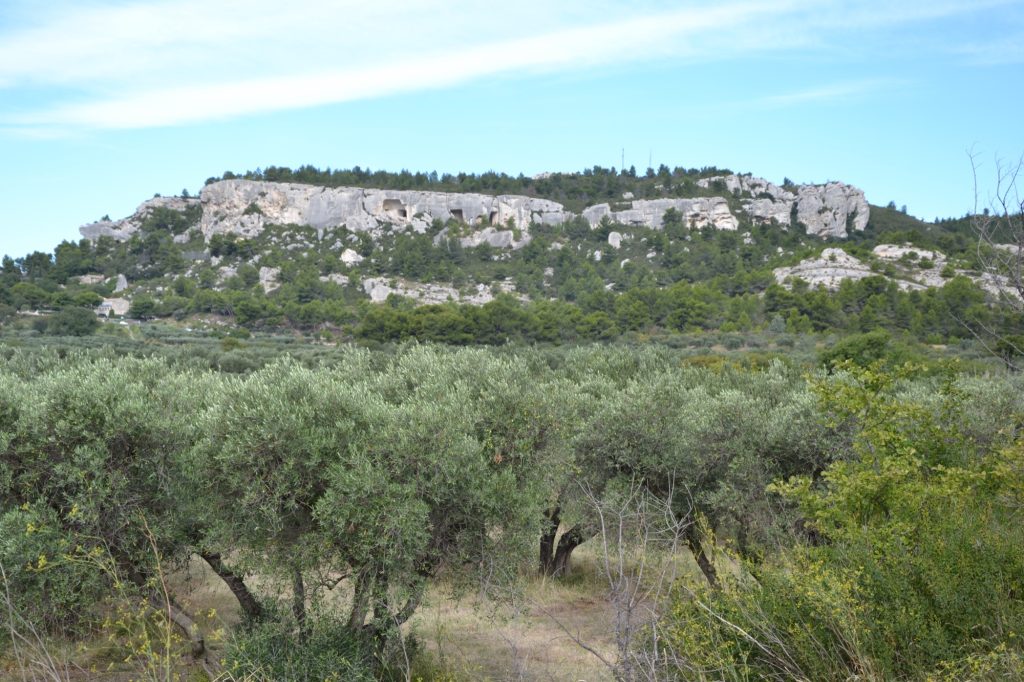
France barely registers on the world olive-oil map by volume — it grows in a season what Spain can press in days. Yet how the oil is made, hedged by appellation rules and a national taste for the mild, explains why it costs what it does.
To understand French oil you have to ignore the volume figures, which are trivial, and look at the method. France does not make oil the way Spain or Tunisia do — in oceans, for export, at the lowest possible cost. It makes oil the way it makes wine: in small lots, tied to a named place, under rules that say which trees may grow where and sometimes how the finished oil must taste. The result is scarce, expensive and unmistakably gentle. This is how the fruit actually gets from a Provençal terrace into a bottle that costs three times what a sound Spanish oil does.
A small harvest, tightly governed
French olive growing clusters in the south: Provence, the Rhône valley, Languedoc, the Alpes and the country around Nîmes. The total crop is modest and most of it never leaves France. What the country has instead of scale is regulation. A network of AOC and AOP appellations — Nyons, Vallée des Baux-de-Provence, Aix-en-Provence, Nice, Haute-Provence and others — fixes which cultivars may be used, where they grow, and often how the oil must taste. That structure props up prices and, more usefully for the buyer, ties a bottle to a real place and method rather than to a vague “product of France” on the back label.
| Harvest | October–December, hand-picked or shaken onto nets |
|---|---|
| Milling | Modern continuous centrifuge at small local mills (moulins) |
| Signature cultivars | Aglandau, Salonenque, Bouteillan, Grossane, Tanche, Cailletier, Picholine |
| House style | Ripe, rounded, sweet, low in bitterness |
| Quality mark | AOC / AOP appellation tied to region and method |
| Where it goes | Overwhelmingly the domestic market |
A national taste for the gentle
French palates lean toward oils that are ripe, rounded and low in bitterness — the opposite of a fierce young Tuscan or a peppery Spanish Picual. Part of this is the cultivars: Aglandau, Salonenque, Bouteillan, Grossane, Tanche and the rest give softer, sweeter oils. Part is deliberate style. The famous matured-olive tradition (olives maturées, fruit held and gently fermented before pressing) of Nyons and the Vallée des Baux yields a mellow, almost cocoa-and-hay character that purists elsewhere would flatly call a defect. It is a useful reminder that “good” oil is partly local custom, not one universal standard.
The matured-olive method, explained
This is the part of French production that genuinely sets it apart, so it is worth being precise. In the classic green method — used almost everywhere else — healthy fruit is rushed to the mill and pressed within hours, before any fermentation can start, to lock in fresh, grassy, peppery notes. The matured method does the opposite on purpose: the olives are held in controlled conditions for a few days so a light, managed fermentation develops, then they are pressed. Done with care it gives the deep, tapenade-like, faintly sweet style French buyers prize. Done carelessly it is simply rancid oil. The line between the two is thin, which is exactly why the AOP rules and trained mills matter here more than the marketing.
- Green style — pressed fast, bright and peppery, the world standard for extra virgin.
- Matured style — fruit held before pressing, mellow and black-olive-sweet, a deliberate regional choice.
- The risk — without skill and tight rules, “matured” tips into “fusty,” a recognised defect.
| Green (most of the world) | Matured (Nyons / Baux tradition) | |
|---|---|---|
| Fruit handling | Milled within hours of picking | Held days before pressing |
| Aroma | Grass, artichoke, green apple | Black olive, cocoa, dried fruit |
| Bitterness / pepper | Pronounced when young | Low, soft, mellow |
| Keeps | Long, high in polyphenols | Shorter; drink young |
| Verdict elsewhere | The gold standard | Often called a fault — here it is the prize |
Why it costs what it costs
None of this is cheap to make. The groves are old, widely spaced and often terraced, so picking is slow and largely by hand. Mills are small. Yields per tree are low and frost can wipe out a season. Add the appellation paperwork and a domestic market happy to pay, and you get oil priced like a fine wine. A good chunk of what you spend on a French AOP bottle is scarcity and place, not extra flavour intensity — which is fine if a gentle, named-origin oil is what you want, and poor value if you were chasing raw freshness and bite.
How France makes its oil: common questions
Why is French olive oil so expensive?
Three reasons stack up: France makes very little of it, the groves are old and largely hand-picked, and the AOP system adds rules and paperwork that raise costs. You are partly paying for scarcity and a named appellation, not only for flavour. If pure freshness-per-euro is the goal, a young Spanish or Greek oil usually beats it.
What does “matured” French oil taste like?
Soft, sweet and faintly fermented — think black olive, cocoa and dried fruit rather than fresh grass and pepper. It is a deliberate regional style from places like Nyons and the Vallée des Baux, made by holding the fruit before pressing. Buy it on purpose; it surprises people who expected a bright green oil.
What are the main French olive varieties?
Aglandau, Salonenque, Bouteillan, Grossane and Tanche dominate the oil blends, with Cailletier behind the oils of the Niçois country and Picholine doubling as a famous green table olive. They lean sweet and rounded rather than bitter.
Does an AOP guarantee quality?
It guarantees origin, permitted varieties and a defined method — not that you will personally love the taste. It is a strong traceability signal and rules out the worst anonymous blends, but you should still check the harvest date and buy the most recent crush.
Is French oil better than Italian or Spanish?
No — it is different. French oil answers a different question: it is mild, sweet and refined where good Italian and Spanish oils are greener and bolder. Neither is objectively superior; your dish and your palate decide.
Here is the blunt version. With French oil you are paying a premium for scarcity and an appellation name as much as for what is in the glass — and that is a perfectly fair trade if the gentle, sweet, matured-style profile is what you actually want. If you want maximum freshness and pepper for your money, a young Spanish or Greek oil will out-punch it every time. Do not buy a tricolore on the front; buy an AOP name and a recent harvest date on the back. And if a French oil tastes faintly of black olives and cocoa, that is the style, not a flaw — just make sure you chose it deliberately.
Based on French AOC/AOP appellation rules and regional cultivar profiles.