A Grower’s Map of Cyprus
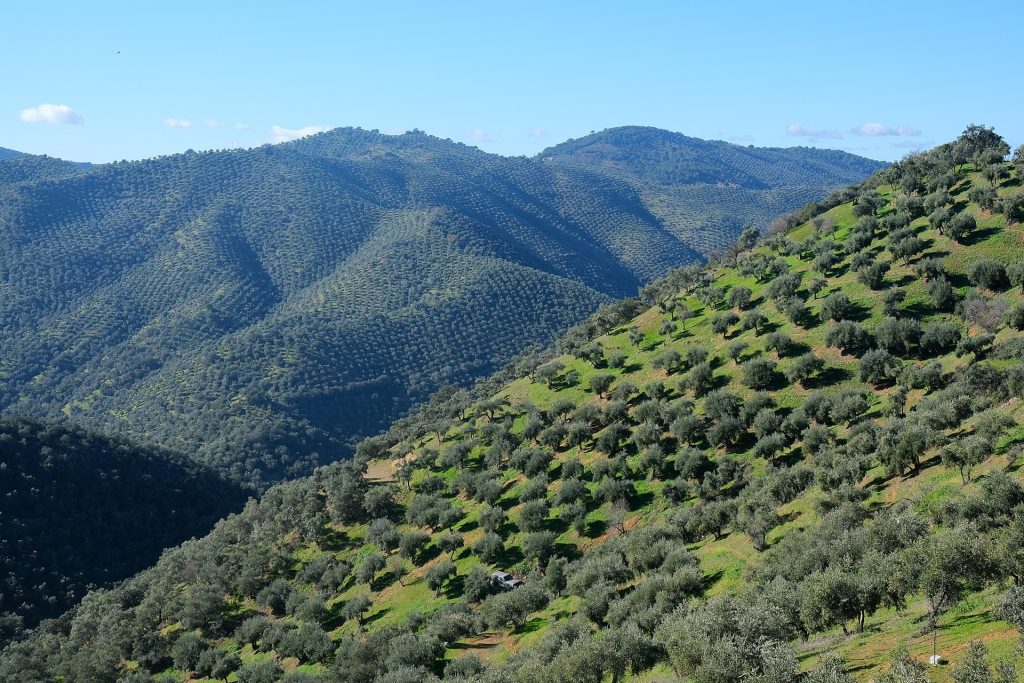
Cyprus sits in the shadow of Greece, Spain and Italy, and barely registers on export shelves. That obscurity is about scale, not quality — this is an island that quietly keeps most of its best oil for itself.
Cyprus rarely makes the headlines of the olive world, sitting in the long shadow of Greece, Spain and Italy. But the tree has grown here for millennia, and the island’s oil has a character worth knowing. To understand a Cypriot bottle, it helps to picture where on this dry, mountainous island the fruit actually comes from — and to understand why so little of it ever reaches a foreign shelf.
Where the groves are
Olives ring the island, but the heart of cultivation sits on the lower slopes feeding off the Troodos mountains and across the foothills of the south and west — around Paphos, Limassol and the Tylliria region. These are hot, dry, often terraced lands where old trees grow gnarled and slow. The dominant local variety is simply the Cypriot olive, well adapted to drought and capable of both table fruit and oil. Many groves are small, family-held and rain-fed rather than irrigated, which keeps yields modest but concentrates flavour in the fruit. It is a landscape of endurance more than abundance.
- Paphos & the west — terraced, traditional, much of it rain-fed.
- Limassol & the south — warm slopes feeding off the Troodos.
- Tylliria — rugged, low-yield, characterful old groves.
- Foothill villages — small family plots and co-operative presses.
Why it stays under the radar
Cyprus produces a small fraction of what the big Mediterranean exporters make, and most of its oil is drunk at home, poured liberally over halloumi, grilled vegetables and village salads. Little reaches export shelves, so the name barely registers abroad. That obscurity is not a verdict on quality; it is a matter of scale. The honest picture is of a self-sufficient olive culture, ancient and unhurried, making oil mainly for the people who live among the trees. If you find a genuine Cypriot oil overseas, you are tasting something most of the island keeps for itself.
The buyer’s trap: tourist-shelf oil
Here is the non-obvious risk. Because so little Cypriot oil is made for export, the bottles a visitor sees in airport and souvenir shops are often the worst introduction to it — pretty packaging, vague labels, and oil that may have sat warm and bright-lit for a year. The real thing is found one step off that path: at a village press or a co-operative, sold to people who will actually use it that season. The gap between a fresh co-op oil and a tourist-shelf bottle is not subtle. It is the difference between grassy and peppery, and flat and greasy.
| Region | Troodos lower slopes; southern & western foothills |
|---|---|
| Key areas | Paphos, Limassol, Tylliria |
| Main variety | The local Cypriot olive (dual-purpose) |
| Irrigation | Mostly rain-fed; modest yields |
| Harvest | October–December |
| Where to buy | Village press or co-operative, not airport shops |
Cypriot olives & oil: common questions
Does Cyprus export much olive oil?
Very little. Most is consumed on the island, so the name barely appears on foreign shelves. That is about scale, not quality.
What variety dominates?
The local Cypriot olive, a drought-adapted, dual-purpose variety used for both table fruit and oil.
Where are the main growing areas?
The lower slopes of the Troodos mountains and the southern and western foothills — around Paphos, Limassol and the Tylliria region.
Is Cypriot olive oil good?
At its best, grassy and peppery and well worth seeking out. The catch is freshness: tourist-shelf bottles can be flat, while a fresh co-op oil is a different drink entirely.
Where should I buy it on the island?
From a village press or co-operative, asking for the most recent harvest — not from an airport or souvenir shop, where oil tends to be older and dearer.
If you visit, buy oil at a village press or co-operative rather than an airport shop — the difference in freshness is night and day, and the price is fairer. Ask for the most recent harvest and taste before you commit. Cypriot oil at its best is grassy and peppery; if a bottle is flat and greasy, it has simply sat too long on a tourist shelf. Do not read the island’s low export profile as a quality verdict — it is a small place that drinks its own oil, and the good stuff rarely needs to travel to find a buyer.
Compiled from general accounts of Cypriot olive cultivation.