Barnea Olives
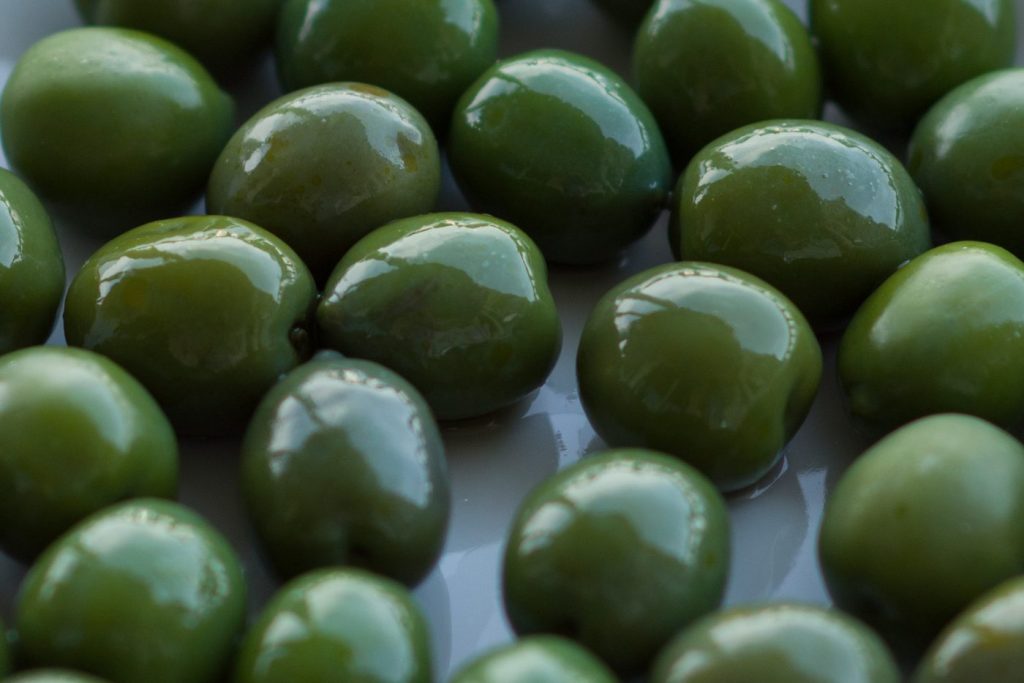
Barnea is a modern, Israeli-bred olive variety prized as a dual-purpose cultivar, giving both a mild, green oil and a decent black table olive from the same tree. It was developed in Israel in the second half of the twentieth century and, because it grows fast, crops young and copes well with warm climates, it has spread far beyond the eastern Mediterranean. Today you are just as likely to find Barnea groves in Australia, New Zealand, South Africa, Argentina and Chile as in its home country, which is why it has become one of the go-to varieties for growers setting up new plantations in the southern hemisphere.
If you have ever bought a bottle of Australian or South African extra virgin oil and noticed a soft, grassy, easy-drinking character, there is a fair chance Barnea was in the blend. It is not a fussy heirloom demanding a specific hillside; it is a workhorse, and that is precisely the point.
Where Barnea comes from
Barnea is one of the success stories of deliberate olive breeding rather than centuries of chance selection. It was developed through the Israeli agricultural research programme (associated with the Volcani Center) and released to growers around the late twentieth century, the fruit of an effort to produce a productive, adaptable cultivar suited to modern, irrigated orchards. That pedigree matters: unlike ancient varieties whose origins are lost, Barnea has a known, recent lineage as a bred cultivar.
A gentle note on provenance, because it trips people up. A variety’s name is not the same as a country of origin claim about the olives in your jar. Barnea was bred in Israel, but the Barnea oil on a supermarket shelf may well have been grown and pressed thousands of miles away. The cultivar travelled because it earned its place, not because any single region owns it. If you want the wider family tree, our olive varieties encyclopedia sets Barnea alongside its Mediterranean cousins.
What makes it a grower’s favourite
Barnea’s reputation rests on a handful of practical virtues. It is vigorous and comes into bearing early, so an orchard starts paying its way sooner than with slower traditional varieties. It yields heavily and fairly reliably. It has a good oil content for a dual-purpose type, and it tolerates the warmer, sometimes drier conditions of places like inland Australia and South Africa. It is also largely self-fertile, though like most olives it fruits more generously with a compatible pollinator nearby.
The trade-offs are honest ones. Barnea can be susceptible to certain fungal problems such as peacock spot (olive leaf spot) in wetter, more humid sites, so it rewards good airflow and orchard hygiene. And because it is bred for productivity rather than for being the single most complex oil in the world, its flavour is more approachable than profound. That is a feature for many buyers, not a fault.
Barnea at a glance
| Trait | Barnea |
|---|---|
| Bred in | Israel (modern research programme) |
| Primary use | Dual-purpose — oil and table |
| Typical oil content | Roughly 20–24% of fruit weight |
| Fruit size | Medium to large, elongated |
| Tree habit | Vigorous, early-bearing, high-yielding |
| Pollination | Largely self-fertile; better with a pollinator |
| Watch out for | Peacock spot in humid sites |
| Widely grown in | Israel, Australia, NZ, South Africa, Argentina, Chile, USA |
What the oil and the table olive taste like
As an oil, Barnea leans mild to medium in intensity. Picked green and early, it shows fresh, grassy, faintly herbaceous notes with a modest peppery finish; left to ripen, it turns softer, rounder and more buttery, with the pungency dropping away. It is an oil that suits everyday cooking, dressings and people who find the fiercest Tuscan-style oils too aggressive. It also blends kindly, which is one reason producers value it. For more on how harvest timing shapes flavour, see our guide to olive oil basics.
As a table olive, Barnea ripens to a handsome black and takes well to standard curing. Its elongated shape and reasonable flesh-to-stone ratio make it a sensible black table olive, usually brine- or water-cured before it is ready to eat. Raw off the tree it is intensely bitter, like every olive — that bitterness comes from oleuropein and must be leached out before eating. If you fancy trying it yourself, our home curing guide walks through the water and brine methods step by step.
None of this makes Barnea a rare connoisseur’s olive, and it does not pretend to be. It is a dependable, adaptable, genuinely useful variety — and in a world of new orchards planted far from the Mediterranean, that has made it one of the most quietly important olives of the modern era.
Barnea olives: common questions
Where do Barnea olives come from?
Barnea is a modern cultivar bred in Israel and released to growers in the later twentieth century. Because it adapts well to warm climates, it is now grown widely across the southern hemisphere too — Australia, New Zealand, South Africa, Argentina and Chile among them — so the olives themselves may be grown far from Israel.
Is Barnea an oil olive or a table olive?
Both. It is a dual-purpose variety, giving a mild green oil at roughly 20–24% oil content and, when ripened to black and cured, a perfectly good black table olive.
What does Barnea olive oil taste like?
Generally mild to medium, with fresh grassy notes and a gentle peppery finish when the fruit is picked green. Riper fruit gives a softer, rounder, more buttery oil. It is an approachable, everyday style rather than a fiercely pungent one.
Can you grow a Barnea olive tree at home?
Yes, in a suitably warm, sunny, well-drained spot. It is vigorous, crops young and is largely self-fertile, though a pollinator nearby improves the harvest. In humid regions keep an eye out for peacock spot and give the tree good airflow.