Can You Pop Popcorn in Olive Oil? Yes, and Here Is How
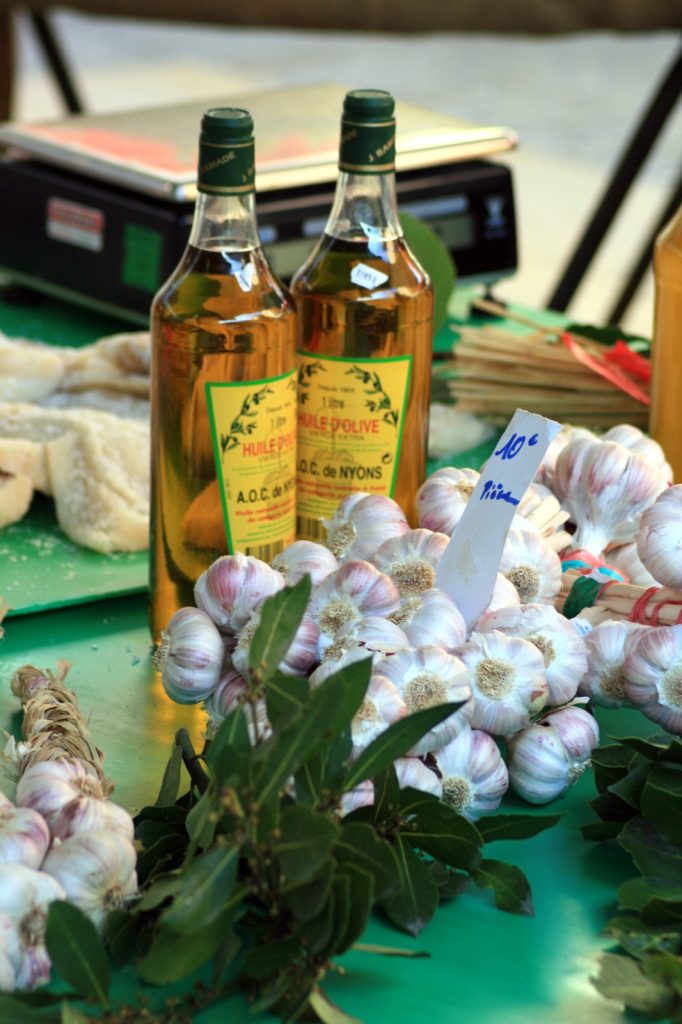
Yes. You can pop popcorn in olive oil on the stovetop, and it works better than the internet gives it credit for. The objection you will read everywhere is that olive oil’s smoke point is too low for popping. That objection is based on a number that does not match what actually happens in a covered pan. Popcorn pops at around 180°C, and a decent olive oil sits comfortably above that. What matters far more is which olive oil you reach for, how much you use, and whether you keep the pan moving.
The smoke point objection, and why it is overstated
Corn kernels burst when the water trapped inside them flashes to steam, at roughly 180°C (356°F). Extra virgin olive oil smokes somewhere around 190 to 210°C. Refined olive oil, sold as “pure”, “light” or simply “olive oil”, smokes higher again, around 220 to 240°C.
So the working temperature for popping sits below the smoke point of both. The margin is narrow with extra virgin and generous with refined, which is the whole story in one sentence. People who report a smoking, acrid pan are almost always doing one of three things: heating the oil on full gas with nothing in it, using a tired bottle whose free fatty acids have crept up over months on a sunny shelf, or walking away.
There is a second point worth making. Smoke point is not the only measure of whether a fat copes with heat. Oxidative stability matters more over time, and olive oil does well there because it is mostly monounsaturated fat carrying its own antioxidants. For a three minute pop, this is academic. For a pan you use every week, it is not.
Which olive oil to use
| Oil | Approx. smoke point | Verdict for popping |
|---|---|---|
| Refined / “light” / “pure” olive oil | 220–240°C | Best choice. Wide margin, neutral, no waste of good oil. |
| Everyday extra virgin | 190–210°C | Works well on medium heat. Adds a pleasant savoury note. |
| Peppery, high-polyphenol extra virgin | 190–210°C | Wasteful. Heat flattens the aromatics you paid for. Finish with it instead. |
| Old, open, light-exposed bottle | Lower, and falling | Avoid. Rancid oil makes bitter popcorn. |
The insider habit is to split the job. Pop in refined olive oil, then drizzle a spoonful of the good peppery extra virgin over the finished bowl while it is still hot. You get the heat tolerance of one and the flavour of the other, and you stop cooking away the very compounds that made the expensive bottle worth buying.
Stovetop method
For roughly four servings you want a heavy pan with a well-fitting lid.
- Pour in about 3 tablespoons of olive oil, enough to film the base generously.
- Drop in three kernels and cover. Set the hob to medium, never full.
- When those three pop, the oil is at temperature. Tip them out.
- Add half a cup of kernels in a single layer, cover, and count to thirty off the heat. This lets every kernel reach a similar temperature so they pop together rather than in a long straggle.
- Return to medium heat. Shake the pan every few seconds, keeping the lid slightly ajar so steam escapes and the popcorn stays crisp.
- Pull it off when the pops slow to more than two seconds apart. Do not wait for silence, because that is when scorching starts.
- Salt immediately, while the surface is still oily enough to hold it.
What about the air popper and the microwave?
An air popper uses no oil at all, so olive oil simply does not enter into it. Drizzle afterwards if you want the flavour. A popcorn machine of the cinema type is designed around coconut oil and holds a steady reservoir at temperature for long stretches. Olive oil is not the right fat for that job, and most machine manufacturers say as much.
The microwave is workable but fiddly. Kernels tossed in a spoonful of olive oil in a covered glass bowl will pop, though yields are less reliable and the oil can spit. If you are going to bother, the stovetop is more forgiving and the result is better.
Common problems
It tastes bitter. Almost always the oil, not the technique. Either it was too hot and it scorched, or the bottle was past its best. Fresh oil and medium heat fix this.
Too many unpopped kernels. Usually the oil was not up to temperature before the corn went in, or the pan was overcrowded. A single layer is the rule.
It goes soggy. Steam is the enemy. Keep the lid a fraction open, and tip the popcorn into a wide bowl straight away rather than letting it sit in the hot pan.
A note on nutrition
Popcorn made this way is a whole grain cooked in a largely monounsaturated fat, which compares favourably with most packet alternatives, particularly the microwave kind with added flavourings. That is a comment about ingredients, not a health claim, and how much oil and salt you add matters more than which oil you chose. This is general information and not medical advice.
Frequently asked questions
Can you pop popcorn with extra virgin olive oil?
Yes. Keep the hob at medium rather than high and use a fresh bottle. Extra virgin smokes at roughly 190 to 210°C and corn pops at about 180°C, so the margin is real but not large.
Is olive oil or coconut oil better for popcorn?
Coconut oil is what cinemas use, because it is very stable at sustained high heat and carries the flavour people associate with cinema popcorn. Olive oil gives a savoury, more Mediterranean result and a better fatty acid profile. For home stovetop popping, either works.
How much olive oil do you need for popcorn?
About 3 tablespoons for half a cup of kernels, which yields roughly four servings. Enough to film the base of the pan, not enough to pool.
Can you use olive oil in a popcorn machine?
It is not recommended. Cinema-style machines hold oil at temperature for long periods and are designed around coconut oil. Olive oil is better suited to a pan you watch.
Why does my olive oil popcorn taste burnt?
The oil was either too hot or too old. Test with three kernels first, keep the heat at medium, and check the bottle is not rancid before you start.