Cheese and Olive Pairing Guide
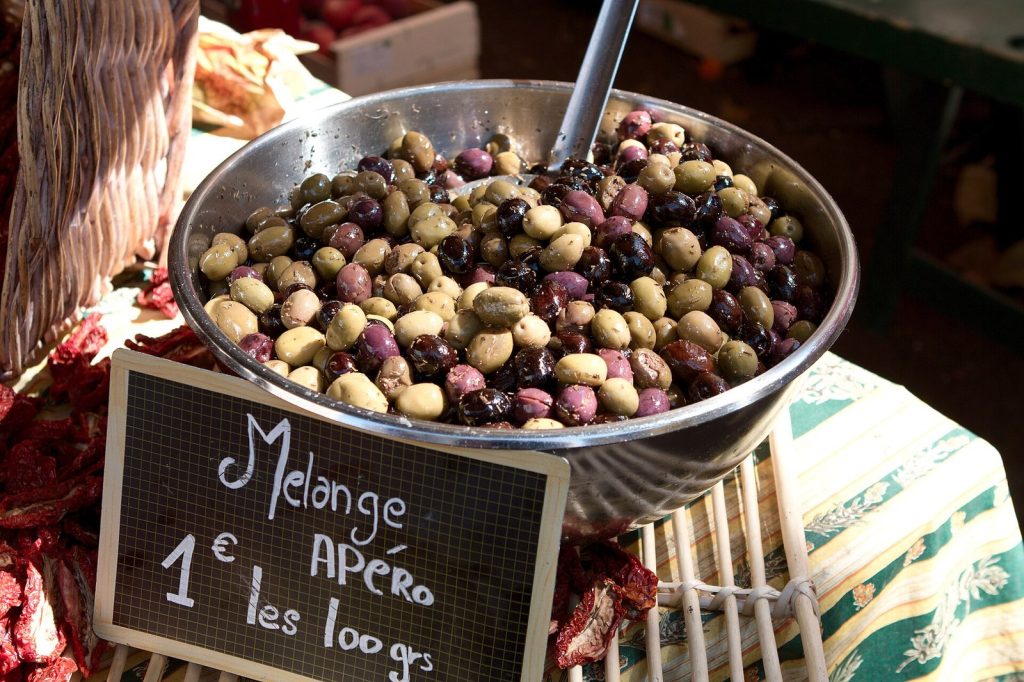
The simplest rule: match intensity, then play with contrast. A mild, milky cheese wants a gentle, buttery olive that will not bully it, while a big, salty, aged cheese can stand up to a punchy, briny one. Get that balance right and you have the backbone of any good board. Everything below is just refining that instinct: a buttery Castelvetrano beside fresh mozzarella, a wrinkled oil-cured olive against a nutty aged Gouda, a herby Provençal olive lifting a creamy goat’s cheese. Pair for weight first, then decide whether you want the flavours to echo each other or to strike a little contrast.
Olives and cheese have shared a plate around the Mediterranean for as long as anyone can remember, and there is a reason it works so well. Both are, at heart, preserved foods built on salt and fat. The trick to a great pairing is making sure one does not simply cancel the other out. Below is how to think about it, plus a quick-reference table you can lean on when you are building a board.
How to think about pairing
Three levers do most of the work: saltiness, fat and acidity. A very salty olive next to a very salty cheese (say, a Greek-style olive with a mature feta) doubles down rather than balances, so you either want to soften one side or lean into a bold, all-in salty bite on purpose. Fat is the peacemaker: a creamy cheese coats the palate and tames a sharp, vinegary olive, which is why marinated olives sit so happily with fresh, milky cheeses. Acidity and brightness, meanwhile, cut through richness, so a lemony or herb-marinated olive is a lovely foil for something dense and buttery.
Texture matters more than people expect, too. A firm, meaty olive gives a satisfying contrast to a soft, spoonable cheese, while a soft oil-cured olive melts alongside a crumbly aged wedge. And do not forget what is doing the marinating — an olive steeped in chilli, garlic, fennel or citrus peel brings those flavours to the pairing as much as the olive itself. If you want to read more about how different curing methods change an olive’s character, our guide to olive curing methods goes deeper.
One honest caveat on names and origins: an olive variety’s name tells you the cultivar, not a strict country of origin. Castelvetrano is strongly associated with Sicily, Kalamata with the Peloponnese in Greece, Picholine with the south of France — but many of these are now grown well beyond their home regions. Treat the styles below as flavour profiles rather than passport stamps. You can look up individual varieties in the olive encyclopedia.
Which olives with which cheeses
Here is the quick-reference version. Use it as a starting point, not gospel — your own taste is the final judge, and a good marinade can shift an olive a whole category.
| Cheese style | Best olive match | Why it works |
|---|---|---|
| Fresh & milky (mozzarella, burrata, fresh ricotta) | Castelvetrano; mild green olives | Buttery, low-bitterness olives echo the creaminess without overpowering it. |
| Soft goat’s cheese (chèvre) | Herb-marinated green olives; Picholine | Bright, herby, faintly tangy olives lift the fresh lactic edge of the goat. |
| Soft-ripened (Brie, Camembert) | Lucques; buttery green olives | A gentle, nutty olive complements the mushroomy richness without a salt clash. |
| Feta & brined white cheeses | Kalamata-style; Greek black olives | The classic mezze pairing — both salty and bold, an intentional double-down. |
| Hard & aged (Manchego, Pecorino, Parmigiano) | Oil-cured (wrinkled) black olives; Gordal | Concentrated, savoury olives meet nutty, crystalline cheese as equals. |
| Aged Gouda & nutty alpine cheeses | Oil-cured black; meaty black olives | Caramel, butterscotch notes in the cheese sit beautifully against dark, earthy olives. |
| Blue cheese (Roquefort, Stilton, Gorgonzola) | Sweet-marinated or citrus-cured green olives | A touch of sweetness and brightness tempers the pungent, salty punch of the blue. |
| Sharp cheddar | Green olives with garlic or chilli; Gordal | A crisp, spiced olive cuts through the fat and matches cheddar’s assertiveness. |
Building a board that actually balances
If you are laying out a spread rather than a single pairing, aim for variety across the same three levers. Put out one mild green olive and one darker, more intense olive, then two or three cheeses that range from fresh and soft to hard and aged. Add something neutral to carry it all — plain crackers, good bread, or a few walnuts — and something sweet to bridge the gaps, such as figs, quince paste or a little honey. That sweetness is the unsung hero: it softens the salt on both the olive and the cheese and makes the whole board feel more generous.
A practical note on serving: let both the cheese and the olives come up to room temperature for around twenty to thirty minutes before serving. Cold flattens flavour and firms up fat, and you lose much of the aroma that makes the pairing sing. Drain marinated olives lightly so they are glossy rather than swimming, and keep any stones or pits obvious and easy to set aside.
Common questions
What olives go best with a cheese board? Offer a range: at least one mild, buttery green olive (Castelvetrano is a crowd-pleaser) and one bolder, darker olive such as a Kalamata-style or oil-cured black. That spread covers most cheeses on a typical board and gives guests a choice.
Do green or black olives pair better with cheese? Neither is universally better — it depends on the cheese. Green olives are usually firmer, brighter and grassier, which suits fresh and soft cheeses. Black (riper) olives tend to be softer, richer and more mellow, which flatters aged and nutty cheeses.
Which olives go with feta? Kalamata-style Greek black olives are the traditional choice, and for good reason — it is the backbone of a Greek salad and a mezze plate. Both are salty, so serve alongside cucumber, tomato, bread or a drizzle of olive oil to keep it from tipping over.
Should olives and cheese be served cold? Better at room temperature. Take them out of the fridge roughly twenty to thirty minutes ahead so the fats soften and the aromas open up. Cold mutes both.
A small note on health: olives and cheese are both nourishing but naturally salty and rich, so enjoy them as part of a balanced plate. This is general information, not medical or dietary advice.