Chicken With Olives (Tagine & Provençal)
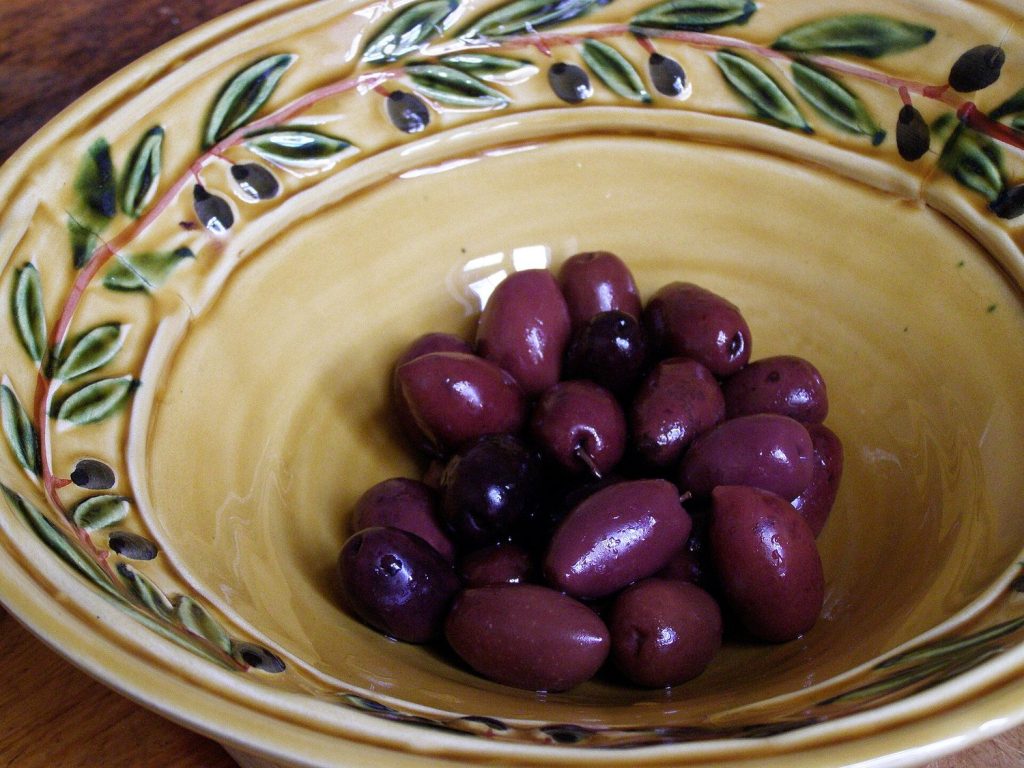
Chicken with olives is one dish with two great faces: a Moroccan tagine built on preserved lemon, green olives and warm spice, and a Provençal braise built on wine, herbs, tomato and black olives. Both are gentle, forgiving one-pot meals. The trick in either kitchen is the same — brown the chicken well, keep the heat low, and add the olives late so they season the sauce without going bitter or mushy. Give it 45 minutes to an hour and you have something that tastes like it took all day.
Below you’ll find how the two traditions differ, a side-by-side ingredient table, and clear method notes for each. Neither is fussy, and you can cook both on a hob in an ordinary heavy pan — a proper clay tagine is lovely but not required.
The Moroccan tagine: preserved lemon and green olives
This is the classic djaj mqualli family of dishes — chicken slow-cooked with preserved lemon, olives, garlic, ginger, saffron and turmeric. The sauce turns a soft golden colour and tastes bright, savoury and faintly citrusy all at once. It’s the preserved lemon that makes it unmistakably Moroccan; without it you have a nice stew, but not this one.
For the olives, reach for firm green ones. In Morocco cooks often use cracked green olives or the mild picholine marocaine, but any good unstuffed green olive works well — Castelvetrano, Nocellara or a plain green Manzanilla are all fine stand-ins. Rinse them, and if they taste very salty give them a quick blanch in boiling water for a minute so they don’t overpower the sauce.
Method, in short: brown bone-in chicken thighs and legs in a little olive oil, then soften a sliced onion with grated garlic and ginger, turmeric, a good pinch of saffron and a little black pepper. Return the chicken, add just enough water or stock to come halfway up, cover and simmer gently for 35–40 minutes. In the last 10 minutes add the rinsed olives and the rind of a preserved lemon (pulp discarded, rind sliced). Finish with chopped coriander and parsley. Serve with bread or plain couscous to catch the sauce. Salt carefully at the end — between the olives and the preserved lemon, it rarely needs much.
The Provençal braise: wine, herbs and black olives
Cross the Mediterranean to southern France and the same bird takes on a completely different character. A Provençal poulet aux olives leans on white wine, tomato, garlic, a bouquet of thyme and bay, and dark, wrinkled olives. Where the tagine is citrus-bright, this one is deep, winey and herbal. It’s close cousin to a chicken Provençal or a lighter coq au vin blanc.
Use black olives with real flavour here — traditionally the small Niçoise or Nyons olives of the region, though a good oil-cured or brined black olive stands in nicely. Avoid the soft, ripe-canned “California black” olives; they’ll disappear into the sauce and add little. As with the tagine, add them near the end so they warm through and lend the sauce their savour without turning to paste.
Method: brown the chicken pieces, set aside, then cook onion, garlic and a little diced tomato in the same pan. Deglaze with a glass of dry white wine, let it bubble and reduce, add thyme, a bay leaf and a strip of orange peel if you like, then return the chicken with a splash of stock. Cover and braise gently for 35–40 minutes. Stir in the black olives for the final 10 minutes and finish with fresh parsley or basil. It’s superb with rice, mash or crusty bread — and, honestly, better the next day.
Tagine vs Provençal at a glance
| Element | Moroccan tagine | Provençal braise |
|---|---|---|
| Olive type | Firm green (cracked green, picholine, Castelvetrano) | Dark brined or oil-cured (Niçoise, Nyons, Kalamata-style) |
| Signature seasoning | Preserved lemon, saffron, ginger, turmeric | White wine, thyme, bay, garlic, tomato |
| Flavour profile | Bright, citrusy, warmly spiced | Deep, winey, herbal |
| Liquid base | Water or light stock | Dry white wine plus stock |
| When to add olives | Final 10 minutes | Final 10 minutes |
| Total cook time | Roughly 50–60 min | Roughly 50–60 min |
| Classic serving | Bread or couscous | Rice, mash or crusty bread |
A few notes that apply to both: bone-in, skin-on thighs and legs reward this kind of slow cooking far more than breast, which dries out. Don’t skip the browning step — it’s where most of the colour and depth come from. And taste before you add any salt at all; olives and preserved lemon are salty by nature, so it’s easy to overshoot. If your sauce ends up thin, lift out the chicken and reduce the liquid over a brisk heat for a few minutes.
Chicken with olives — common questions
Do I need a real tagine pot to make chicken tagine?
No. The conical clay tagine is traditional and does circulate steam beautifully, but any heavy, lidded pan or casserole gives very similar results on a low hob. The method matters more than the vessel.
What olives are best for chicken with olives?
For the Moroccan version, firm green olives like cracked green, picholine or Castelvetrano. For the Provençal braise, small dark olives such as Niçoise or Nyons, or another well-flavoured brined black olive. Avoid soft canned “black-ripe” olives, which lack character.
Should I pit the olives first?
Your choice. Whole olives look handsome and keep their texture, but warn your guests about the stones. Pitting is tidier for family meals and lets the olives melt a little more into the sauce.
Why did my olives turn bitter?
Usually from cooking them too long or using very salty, unrinsed olives. Add them only in the last 10 minutes, and if they taste sharp from the jar, rinse or briefly blanch them first.