Olives, Fibre and Gut Health
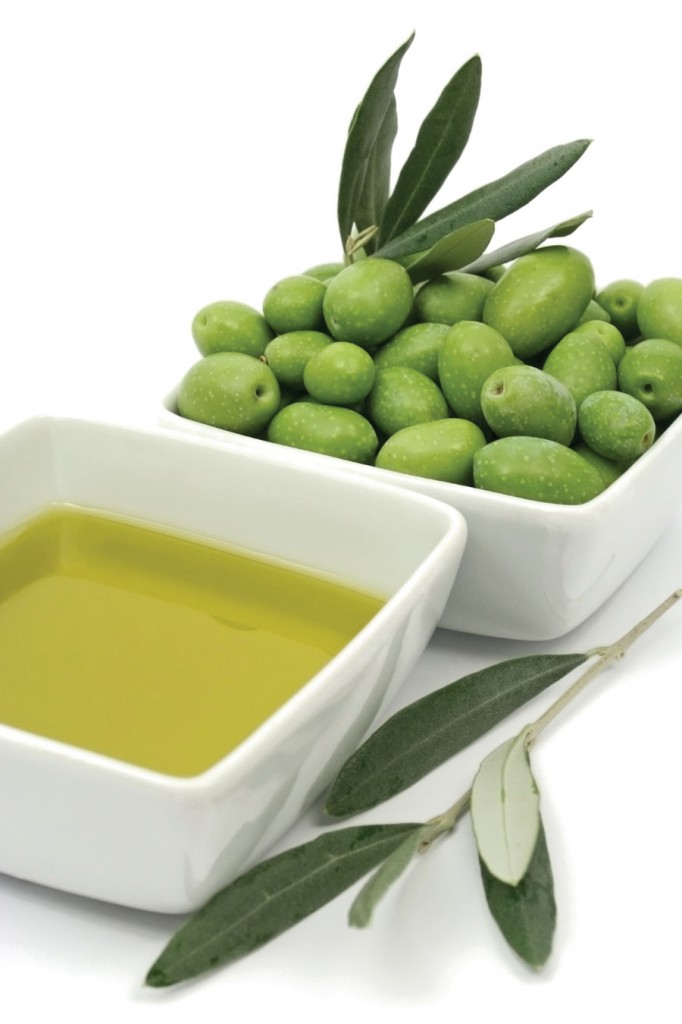
Table olives are a genuinely useful food for your gut, but not because they are a fibre powerhouse. Their value comes from a modest dose of fibre, a generous helping of plant polyphenols, and, if the olives were traditionally fermented in brine, a small side order of live bacteria. Eaten as part of a broader Mediterranean way of eating, olives are a friendly companion to your digestive system rather than a miracle cure. This is background information, not medical advice, so treat anything here as a starting point for your own reading and a chat with your GP or dietitian if you have a specific condition.
Let us be honest about the numbers first, because that is where a lot of health writing quietly exaggerates. A single olive is small, so the fibre in one olive is small too. But olives rarely arrive alone. They turn up in salads, on bread, alongside cheese, folded into a tapenade, and that is exactly how they end up doing quiet, useful work.
Fibre, polyphenols and fermentation: the three ways olives help
Olives support gut health through three separate mechanisms, and it helps to keep them apart in your head.
Fibre. Olives contain both soluble and insoluble fibre, plus a fair amount of skin, which is the roughage your gut bacteria and your bowel both appreciate. It is not a large amount per olive, but fibre from whole foods is fibre your microbiome can ferment into short-chain fatty acids like butyrate, which nourish the cells lining your colon.
Polyphenols. This is where olives genuinely punch above their weight. Olives and olive oil are rich in compounds such as hydroxytyrosol, tyrosol and oleuropein. Polyphenols behave a little like prebiotics: they are not fully absorbed in the small intestine, so a good share reaches the colon, where your bacteria feed on them and, in return, seem to favour a more diverse, more balanced microbial community. Diversity is one of the more reliable markers of a healthy gut.
Fermentation. Many traditional table olives, especially Greek-style naturally fermented black olives and some Spanish-style green ones, are cured slowly in brine by lactic acid bacteria, chiefly Lactobacillus species. That means a jar of genuinely fermented olives can carry live cultures, in the same broad family as those in yoghurt or sauerkraut. A quick word of caution though: not every olive on the shelf is a live-ferment. Many supermarket olives are treated with lye and pasteurised, which produces a consistent, mild olive but knocks out the live bacteria. If probiotics are your goal, look for “naturally fermented” or “traditionally cured” on the label, and expect a sharper, more characterful flavour.
How olives compare, and how to eat them sensibly
To keep expectations grounded, here is a rough comparison of table olives against a few other everyday gut-friendly foods. Figures are approximate and vary by variety, ripeness and curing method, so read them as ballpark ranges rather than precise claims.
| Food (typical serving) | Roughly how much fibre | Polyphenols? | Live cultures? |
|---|---|---|---|
| Table olives (10 olives, approx. 30 g) | Around 1 g | High for the portion size | Only if naturally fermented |
| Sauerkraut (2 tbsp, approx. 30 g) | Around 1 g | Moderate | Yes, if unpasteurised |
| Plain live yoghurt (150 g pot) | Negligible | Low | Yes |
| Cooked lentils (1 small bowl) | Around 7–8 g | Moderate | No |
The honest takeaway from that table is that olives are not the place to go for a big fibre hit. Lentils, beans, wholegrains and vegetables do that job far better. Where olives shine is as a small, flavour-dense package of polyphenols and, sometimes, live bacteria, all wrapped in the heart-friendly fats of the olive fruit. That is a lovely thing to add to a plate that already contains plenty of plants.
One real trade-off deserves attention: salt. Olives are brine-cured, so they are salty by nature. If you are watching your blood pressure or sodium, a small handful is sensible rather than a whole bowl, and rinsing them briefly can shed some surface salt. The good news is that olives are so full of flavour that a few go a long way. If you want to understand how different curing styles change both taste and salt, our guide to curing olives walks through the methods, and the olive varieties encyclopedia is a good place to match a variety to how you plan to eat it.
A gentle, practical way to build olives into a gut-friendly routine: add a few to a salad two or three times a week, drizzle the good extra virgin olive oil that shares their polyphenols, and lean on the wider Mediterranean pattern of pulses, vegetables, wholegrains and fermented foods. It is the pattern, not any single hero ingredient, that the research keeps pointing back to. And if you introduce more fibre and fermented foods generally, do it gradually and drink plenty of water, so your gut has time to adjust without complaint.
Olives and gut health: common questions
Are olives good for your gut? Yes, in a modest, supporting-actor way. They provide a little fibre, a good dose of polyphenols that act like prebiotics, and, when naturally fermented, some live lactic acid bacteria. They work best as part of a varied, plant-rich diet rather than on their own.
Are olives a probiotic food? Some are. Naturally fermented, traditionally cured olives can contain live Lactobacillus cultures. Many commercial olives are lye-treated and pasteurised, which removes those live bacteria, so check the label for “naturally fermented” if that is what you are after.
Can too many olives upset your stomach or your salt intake? Eaten in large quantities, the main issue is salt rather than the olives themselves, and a very big portion of any fatty, briny food can feel heavy. A small handful is a sensible everyday amount for most people.
Are green or black olives better for gut health? Neither is clearly superior. Green (unripe) and black (ripe) olives differ mostly in ripeness and curing style, which shifts their polyphenol profile and flavour rather than making one a gut-health winner. Variety and freshness matter more than colour.