Taste of Crete Featured at Promotion of Greek Olive Oil at the Greek Embassy
Greek olive oil, and Cretan oil in particular, has long been one of the food world’s best-kept secrets: superb quality, a diet built around it, and far less swagger than its Italian and Spanish neighbours. The islanders who eat the most of it live famously long lives.
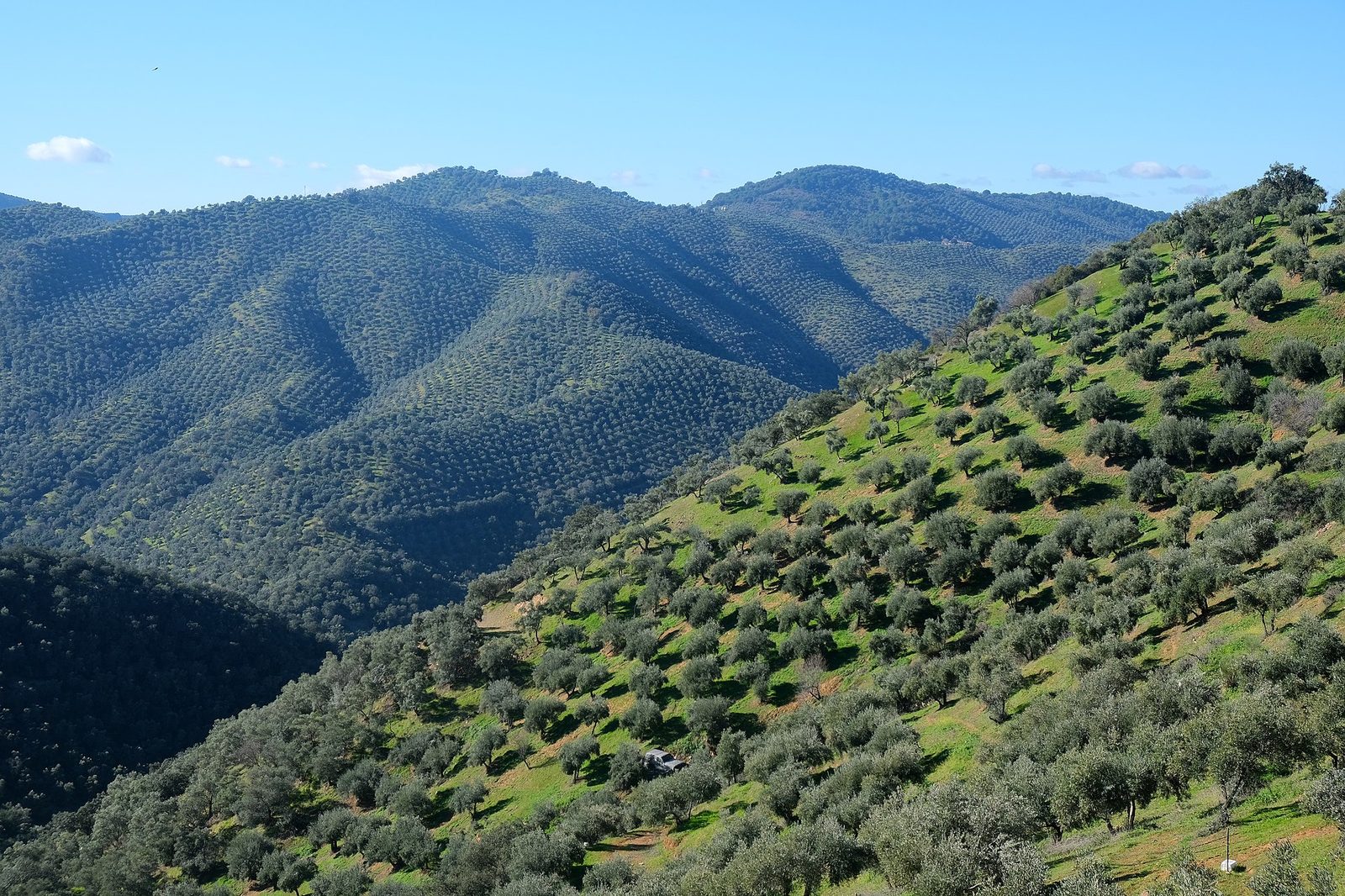
Greece quietly makes some of the finest olive oil on earth, and a very high share of it is extra virgin — a higher proportion than the big exporting giants. At the centre of that reputation sits Crete, an island where the olive is not a garnish but the foundation of the cooking, and where consumption per person is among the highest anywhere. The Cretans have been eating this way for generations, and their famed longevity has made their diet a subject of serious study.
Why Cretan oil is so good
Most Cretan oil comes from the Koroneiki, the small, hardy olive responsible for a huge share of Greece’s finest extra virgin. It gives a green, aromatic oil with a peppery, healthful bite — high in the polyphenols that make fresh oil taste alive. Add an old culture of pressing quickly and eating oil young and fresh, and you have a region whose everyday oil would be a premium product almost anywhere else. Several Cretan areas hold PDO status, tying a named place to a defined quality.
The best-value oil on the shelf
Here is the happy part for a buyer. Because Greek oil markets itself far less aggressively than Italian or Spanish, it is often the best value on the shelf — genuine extra virgin, frequently from a named region, at a price its quality does not justify staying so low. The catch is the old one: a great deal of superb Greek oil is sold in bulk and bottled abroad under other flags, its origin quietly erased. Buy a named Greek or Cretan PDO bottle and you get the quality and the traceability.
The Cretan table
What the promotion of Cretan oil abroad really sells is a way of eating: vegetables, pulses, wild greens, fish and bread, all bound together by generous good olive oil rather than butter or cream. It is the Mediterranean diet in its most concentrated, oil-forward form — and the reason Crete keeps appearing in studies of long, healthy life. The oil is not a health supplement bolted onto the food; it is the food’s backbone.
Practical takeaways
- Seek out Greek and Cretan extra virgin — often the best quality-for-price on the shelf.
- Look for Koroneiki and a PDO region for a green, peppery, traceable oil.
- Buy it named and dated; much fine Greek oil is otherwise sold in bulk abroad.
- Use it the Cretan way — generously, over vegetables, pulses, fish and bread.
- Treat it as an everyday oil, not a special-occasion splurge; that is the whole point.
Cretan & Greek olive oil: common questions
Why is Cretan olive oil so highly regarded?
It is mostly fresh Koroneiki extra virgin — green, aromatic and peppery, rich in polyphenols — made in a culture that presses quickly and eats oil young. Several areas hold PDO status.
Do Cretans really eat that much olive oil?
Yes — consumption per person on Crete is among the highest in the world, and their oil-forward diet is often linked with notable longevity.
Is Greek olive oil good value?
Often the best on the shelf. Greece markets less aggressively than Italy or Spain, so genuine extra virgin, sometimes from a named region, can be relatively inexpensive.
What is Koroneiki?
A small, hardy Greek olive that yields a large share of the country’s finest extra virgin, known for a green, peppery, aromatic oil high in beneficial compounds.
Why look for a PDO Greek oil?
A protected designation of origin ties the oil to a defined place and standard, giving you both quality and the traceability that bulk-traded oil loses.
Greek oil, and Cretan above all, is the great underrated bottle: mostly fresh Koroneiki extra virgin, green and peppery, sold with far less swagger than its Italian and Spanish rivals — which is exactly why it is so often the best value on the shelf. The islanders who eat the most of it live famously long. Buy it named and dated, ideally PDO, before the best of it disappears into someone else’s bulk bottle, and use it the Cretan way: generously, every day.
General background on Cretan and Greek olive oil, the Koroneiki variety, PDO status and Cretan dietary tradition.