FAO Puts Lebanon’s War Damage to Farming at $280 Million
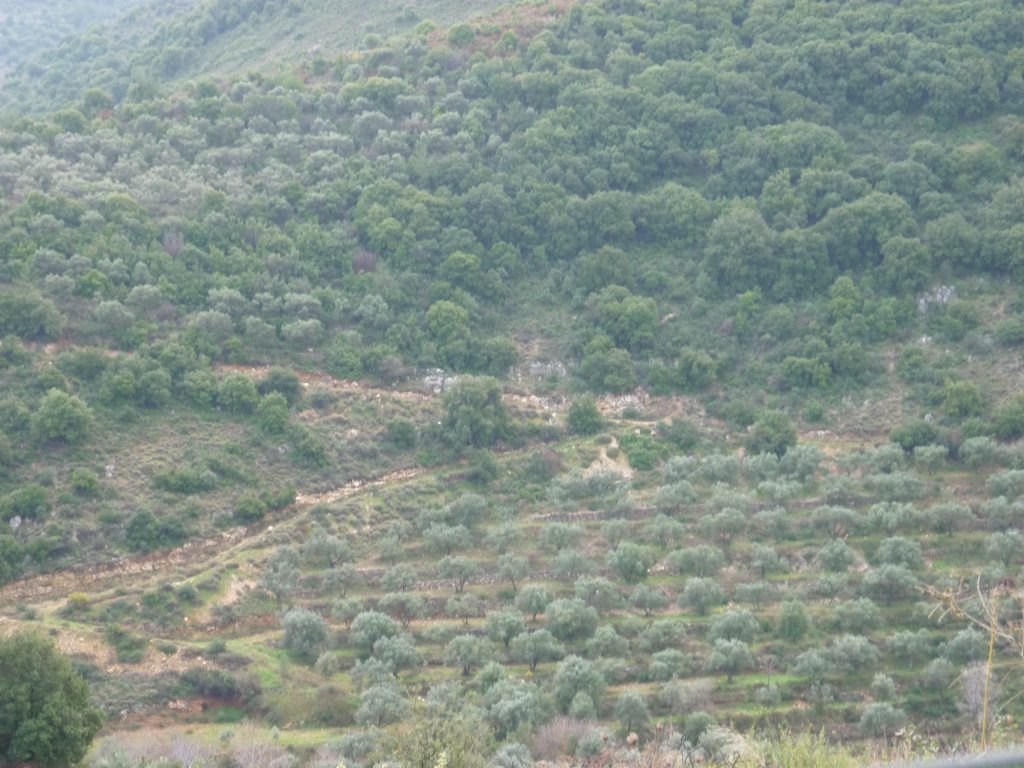
The UN food agency has put the cost of this summer’s war to Lebanese farming, fishing and forestry at around $280 million, and says about a quarter of the cultivated land in the south is out of reach because of unexploded bomblets. The olive harvest is happening anyway, in fields that have to be walked carefully.
What the report found
The Food and Agriculture Organization released its assessment on Monday. The headline figure is roughly $280 million of damage and losses across agriculture, fisheries and forestry from the 34 day conflict between Israel and Hizbollah. Of that, some $94 million is the financial loss from physical damage and lost harvests of tree and field crops in the south alone.
The report makes a point that matters more than the total. The indirect damage, lost markets and lost work, was larger than the direct damage to crops, animals and equipment. The fighting fell across the peak of the export harvest, so fruit and potatoes rotted where they lay while farmers could not reach their land and lorries could not reach a market.
Then there is the part that does not end with the ceasefire. FAO estimates that about 25 percent of the cultivated land in southern Lebanon is inaccessible because of unexploded ordnance. The agency is asking for about $17 million for priority work over the next 6 to 12 months, seeds, fertilizer and small irrigation equipment, and Anne Bauer, who runs its emergency operations division, explained why the timing is brutal: farmers normally repay their debts out of the May to October harvest, and this year that income did not arrive, so they cannot fund the next cropping cycle.
Why this lands on olive growers
Southern Lebanon is not the country’s olive heartland, which sits in the northern hills, but the south is full of small groves that belong to households rather than to companies, and the harvest runs from October into December. Reporters who went through the villages in the autumn described the same scene again and again: fields that nobody dares enter, and hired pickers who will not go in either.
Anthony Shadid of the Washington Post, reporting from the south in late September, said more than half of the residents there rely on agriculture, that the tobacco harvest was being attempted and the olive harvest was coming up, and that workers growers normally rely on to pick olives were reluctant to walk into the groves. In one village he watched residents collect more than 1,000 bomblets by hand, box them up and dig craters to hold them until UN de miners could destroy them. Some families were paying a dollar or two a bomblet to have them gathered.
The numbers behind that fear are large. As many as 1 million unexploded submunitions are thought to be lying in the south, most of them fired in the last three days of the war, with around two in five failing to go off. In the weeks after the ceasefire, 14 people were killed and about 90 wounded, and roughly 590 contaminated sites had been identified. Several UN de miners were injured again in the past few days, and the UN has repeated its call for the firing data that would tell clearance teams where to look.
What the trade should understand
A ruined harvest in a small producing country does not move the world price of olive oil. Lebanon’s crop is modest on the global scale, and traders will barely register it while they are watching Spain. That is exactly why this kind of damage is so easy to miss.
- For a family in the south, the grove is the year’s cash, the cooking oil and the pension, in that order.
- A grove that cannot be entered is not lost forever, but a year not picked is a year not paid.
- Debts run on harvest cycles, so one missed season reaches into the next two.
We have seen the same arithmetic on the other side of the region, where direct farm losses of a few million dollars wiped out the working capital of a whole district. It is also the reason harvest timing is not a detail: olives will not wait politely for a clearance team.
Oil from a disrupted harvest is not automatically bad oil, but it is usually late oil. Fruit that sits while people wait for permission to enter a field starts to ferment, and every extra day between picking and milling shows up as a musty flavor in the finished oil. If you buy from a region that has had a hard season, ask when the fruit was milled, not just where it grew.
Sources
- UN News, “Lebanon: UN de-miners hurt as agricultural damage from conflict hits $280 million” (November 27, 2006)
- NPR, All Things Considered, “Cluster bombs a vestige of Israel’s Lebanon fight” (September 27, 2006)
- Washington Post via NBC News, “Lebanon war brings lethal harvest” (September 26, 2006)