The Olive in Ancient Greece: Sacred Tree, Liquid Gold
To the ancient Greeks the olive was not a crop but a gift from a goddess — sacred, valuable, and woven into the founding of Athens itself. Its uses ran from the lamp to the altar to the victor’s brow, and the reverence had a hard logic beneath it.
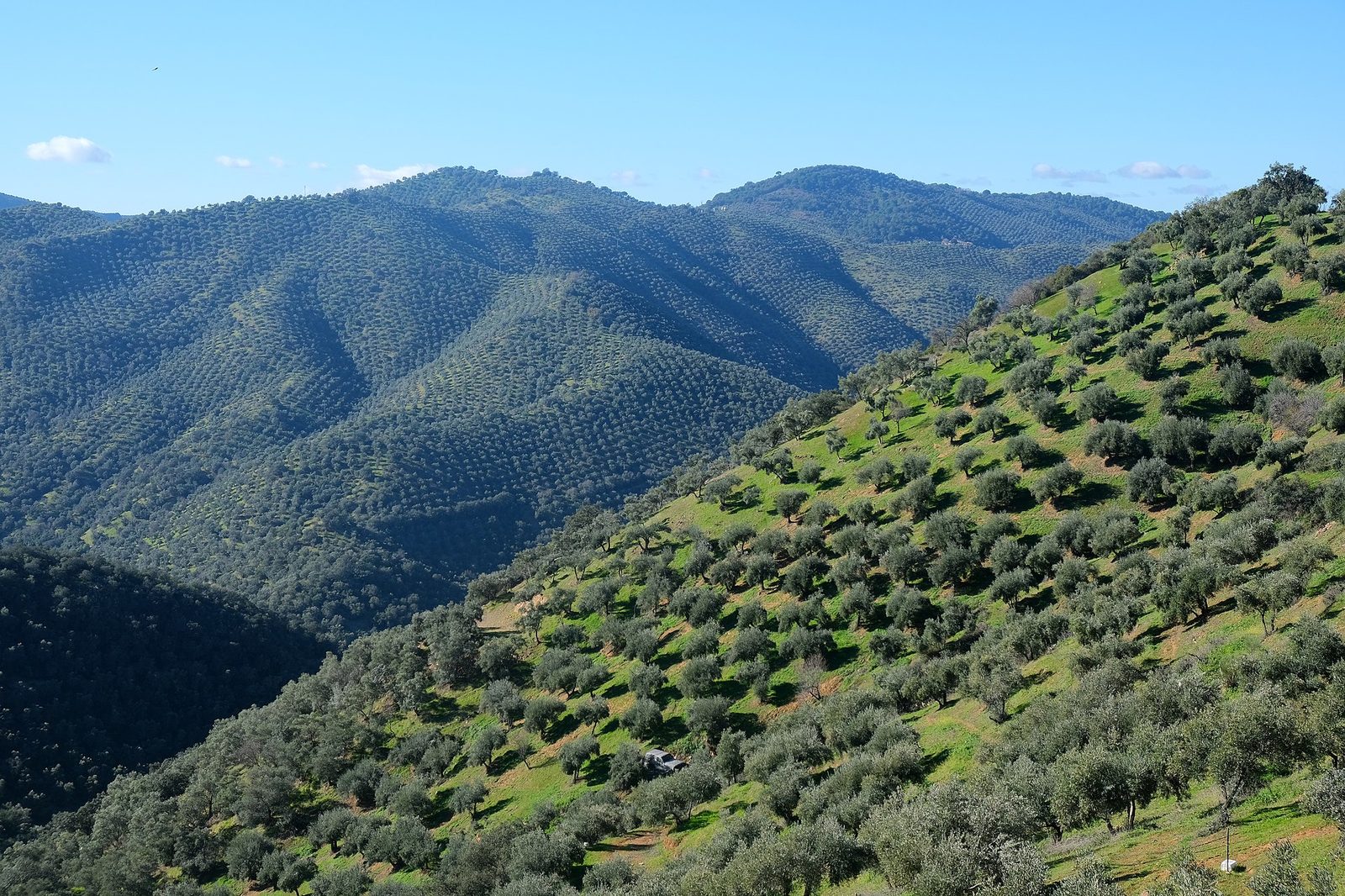
No people wove the olive deeper into their world than the ancient Greeks. For them it was wealth, light, medicine, sport and religion at once — and the story of its origin was the story of their greatest city. To understand how a tree became holy, you have to see what it did for a poor, dry, rocky land that grew little else.
Athena’s gift
The myth says it plainly. Athena and Poseidon contested the patronage of a new city; Poseidon struck the rock and gave a spring of seawater, while Athena planted the first olive tree. The people, judging the olive the greater gift, named the city Athens for her. The oil was, in the Greek imagination, literally divine — a goddess’s dowry to her chosen city, and proof that the tree that fed and lit and healed them was worth more than the sea itself.
A hundred uses
Greek olive oil was food and lamp-fuel at the base of daily life. It was rubbed onto athletes’ bodies before competition and scraped off after; it carried perfume and medicine; it anointed the newborn and the dead. At Olympia the victor’s prize was not money but a wreath of wild olive — the sacred leaf itself. And to damage a sacred olive tree could be treated as a serious crime. One tree stood at the centre of the kitchen, the gymnasium, the temple and the grave.
Why it still matters
This is not just antiquity. The reverence had a hard logic underneath it: in a poor, dry, rocky land, the olive was the one tree that turned stony hillsides into oil, light, trade and food — genuine wealth from ground that grew almost nothing else. That is why it was holy. And it is the same quality — thriving where other crops fail — that is making the olive a serious tree for a hotter, drier world today. The Greeks worshipped it for being useful, and its usefulness has outlasted their gods. Some of their trees may even still be alive.
| Origin myth | Athena’s gift; the founding of Athens |
|---|---|
| Daily uses | Food and lamp fuel |
| Body and rite | Anointing athletes, newborns and the dead |
| Sport | Wild-olive wreath for Olympic victors |
| Law | Harming a sacred olive a punishable crime |
| The hard logic | Wealth from stony ground that grew little else |
What to take from it
- The olive’s holiness was practical: real wealth from land that grew almost nothing else.
- It sat at the centre of food, light, sport, medicine and religion at once.
- The Olympic prize was the tree itself — a wreath, not money.
- Its ancient virtue — thriving where crops fail — is exactly its modern promise.
The olive in ancient Greece: common questions
Why was the olive sacred to the Greeks?
Myth held that Athena gave it to Athens, and in practice it turned poor, dry ground into oil, light, food and trade — divine and indispensable at once.
How did Athens get its name?
In the myth, Athena and Poseidon contested the city; the people judged Athena’s olive tree the greater gift and named the city for her.
What did the Greeks use olive oil for?
Food, lamp fuel, anointing athletes and the dead, perfume and medicine — it ran through daily life, sport, religion and burial alike.
What did Olympic victors win?
A wreath of wild olive — the sacred leaf itself — rather than money. The prize was the tree.
Why does this still matter today?
The olive’s ancient value — yielding from stony, dry ground where other crops fail — is exactly why it is a serious crop for a hotter, drier world now.
Strip away the myth and the Greeks were being entirely practical. They worshipped the olive because, in a hard, dry, stony country, it was the one tree that reliably produced wealth — oil to eat, to burn for light, to trade, to anoint. A goddess’s gift is just how a poor land honours the thing that keeps it alive. And the same toughness that made the olive holy to them is why it is being planted with fresh seriousness now, as the climate turns toward the very conditions it was always built for.
Drawn from Greek myth and the documented role of the olive in ancient Greek daily life, sport and religion.